

Improved Rabies Vaccine Delivery Could Save Thousands in Kenya and Tanzania, New Study Reveals
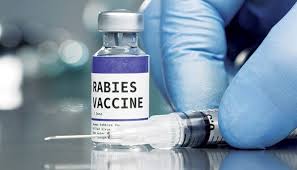
A new international study has found that strategic improvements in the distribution and delivery of rabies vaccines could drastically reduce preventable deaths in Kenya and Tanzania.
Published in the Journal Vaccine, the research emphasizes the need for better stock management and adoption of dose-saving intradermal (ID) vaccination techniques to enhance access and efficiency.
Conducted by a consortium of institutions including the University of Glasgow, University of Nairobi’s Centre for Epidemiological Modelling and Analysis (CEMA), Ifakara Health Institute, and others, the study highlights that switching to the World Health Organization-recommended ID method could reduce vaccine use by over 55 percent.
This would lower costs, minimize stockouts, and expand coverage even in remote rural areas.Rabies remains one of the deadliest yet most preventable diseases, claiming an estimated 59,000 lives annually mainly in low-income regions.
Access to post-exposure prophylaxis (PEP) remains a challenge due to vaccine shortages, high costs, and limited clinic access.
Lead author Martha Luka of the University of Glasgow stressed that no one should die from rabies when effective vaccines exist. “Improving stock management and adopting ID vaccination can save more lives with fewer resources,” she said.
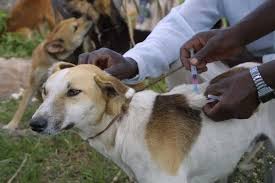
The study also revealed that decentralizing vaccine access beyond major hospitals in Tanzania could improve equity, while tailored restocking strategies can ensure health facilities respond swiftly to outbreaks.
“With Gavi, the Vaccine Alliance now investing in rabies vaccine access, the time to act is now,” said Kennedy Lushasi from Ifakara Health Institute. “We have the tools. What’s needed is the commitment.”
Mumbua Mutunga of CEMA added, “With smart planning and strategic investment, zero human deaths from dog-mediated rabies by 2030 is achievable. Let’s deliver these life-saving solutions to those who need them most.”
Researchers analyzed data from over 199,000 bite victims in Kenya and more than 6,600 in Tanzania to model vaccine demand and supply chain resilience.Key findings show that switching from intramuscular (IM) to intradermal (ID) vaccination recommended by the WHO could reduce vaccine use by over 55%, easing pressure on supply chains and lowering stockout risks.
The study found vaccine demand varied widely, with occasional surges overwhelming health facilities, especially in remote areas.Decentralizing vaccine access improves coverage but slightly increases vial usage due to limited sharing options.
As Gavi scales up support for rabies vaccines, the study urges governments to adopt resilient, data-driven stock management systems to support the global goal of eliminating dog-mediated human rabies deaths by 2030.