
St. George’s University Leads Cancer Prevention Efforts in Africa on World Cancer Day 2025

As cancer continues to claim millions of lives globally, Africa remains one of the hardest-hit regions, recording approximately 1.1 million new cancer cases and 700,000 deaths annually, according to the World Health Organization (WHO).
On this World Cancer Day, St. George’s University (SGU) is taking a proactive stance in empowering Africans with crucial cancer prevention and early detection strategies.Under the 2025-2027 World Cancer Day theme, “United by Unique”, championed by the Union for International Cancer Control (UICC), the focus is on a people-centered approach to care, urging communities to take collective action against cancer.
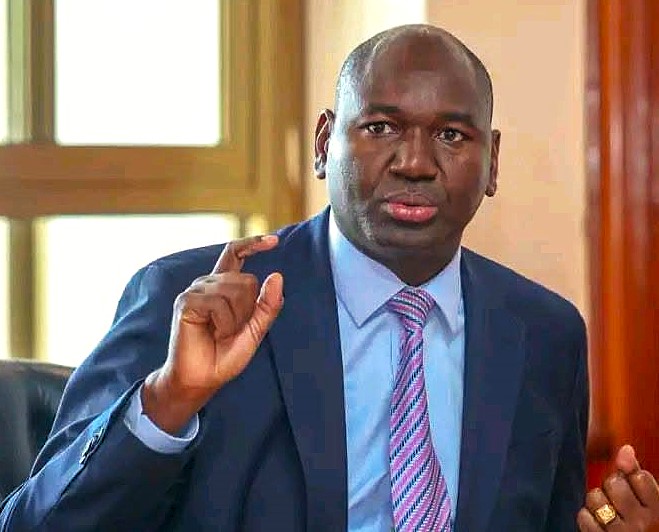
Speaking at the event,Hematologist and oncologist Dr. Jeff Vacirca, an SGU School of Medicine graduate, emphasizes the importance of recognizing cancer risks and adopting preventative measures to reduce fatalities.
Cancer remains one of the leading causes of death worldwide, contributing to approximately 9.7 million fatalities annually.
WHO identifies several major risk factors, including tobacco use, excessive alcohol consumption, poor diet, physical inactivity, and environmental pollution.
In addition, non-modifiable factors such as genetics, aging, carcinogen exposure, and weakened immune systems further increase susceptibility.
The Power of Early Screening
Timely detection remains one of the most effective ways to combat cancer. Regular mammograms, pap smears and colonoscopies can identify abnormalities at an early stage, drastically improving survival rates.
For instance, early-stage breast cancer has a 99 percent five-year survival rate with prompt treatment, compared to only 27 percent for late detection.
While cancer symptoms vary, common warning signs should never be ignored. These include,Physical symptoms ,Unexplained lumps, persistent coughs, breathlessness, changes in bowel habits, unexpected bleeding, weight loss, fatigue, chronic pain, and new or changing moles,Urinary issues ; Increased urgency, difficulty urinating, or pain.
Other warning signs include Changes in breast appearance, loss of appetite, persistent sores, heartburn, and night sweats.
Taking Proactive Prevention Steps
A combination of healthier lifestyles, vaccination, and environmental risk reduction can significantly lower cancer rates.
Adopt healthy habits , Avoid smoking, maintain a balanced diet, exercise regularly and limit alcohol consumption.Get vaccinated Immunization against HPV, hepatitis B, and other virus-related cancers is crucial.
Reduce environmental risks ,Minimize UV exposure, wear sun protection, and reduce contact with air pollutants.
Making his remarks,CEO and Chairman of New York Cancer & Blood Specialists and co-founder of One Oncology Dr Vacirca underscores the urgency of proactive cancer care.
“On World Cancer Day, we are reminded of the profound impact cancer has on Africa and the world. By embracing healthier lifestyles, ensuring timely vaccinations, and prioritizing early detection, we can collectively reduce the burden of this disease and create a healthier future for all Africans,” he said.
SGU urges individuals, healthcare professionals and organizations across Africa to promote early screenings, educate communities, and support those affected.
By taking collective action, the fight against cancer can be strengthened, paving the way for a healthier and cancer-free future.