

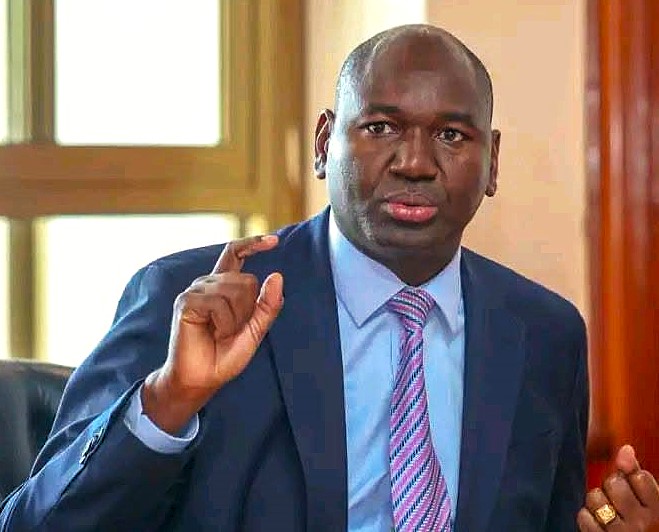

MPs Call for Calm and Public Participation Over Finance Bill Debate
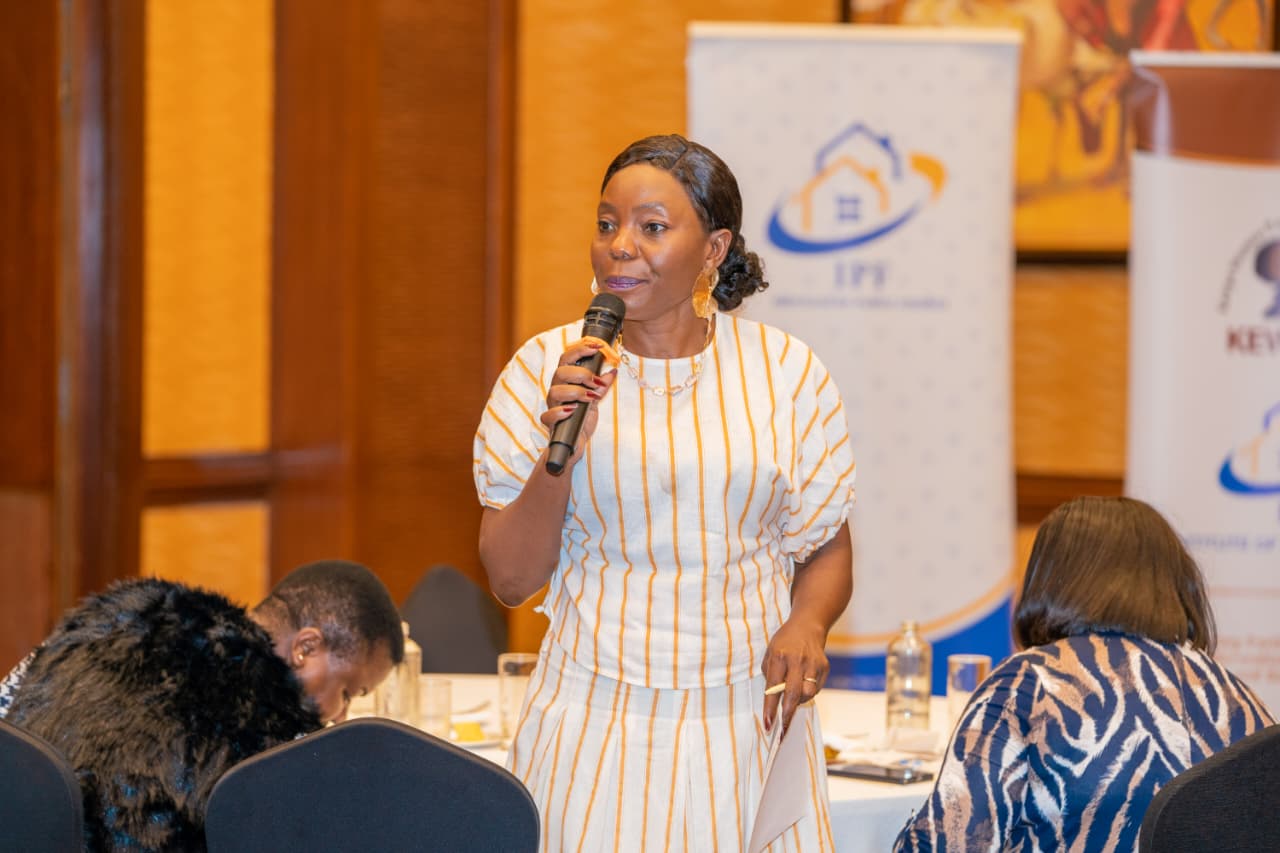
Members of Parliament address Kenyans on the proposed Finance Bill and urge wananchi to participate in public discussions before Parliament debates and passes the bill.
Leaders have urged Kenyans to actively participate in discussions surrounding the proposed Finance Bill instead of relying on propaganda and political incitement, saying Parliament remains open to public views and amendments.
Speaking during public engagements, one legislator defended the proposed bill, saying many of the claims circulating online were misleading and intended to create fear among citizens.
“I want to urge all Kenyans to know that no one has increased these taxes, especially to things that affect the land,” the MP said.
The lawmaker acknowledged the economic struggles facing many Kenyans but maintained that taxation remains necessary for national development and service delivery.
“It is actually our right as a nation to pay this, and also be sensitive enough that it’s killing us,” the MP noted.
According to the legislator, the Finance Bill contains proposals aimed at supporting economic growth, creating jobs for young people, and improving the welfare of workers in the informal sector.
“For us to develop our nation, we shouldn’t also be resisting things that can make our nation be attractive,” the MP said.
The leader explained that some measures in the bill seek to support Kenyans who have worked for years without formal employment benefits or pension plans.
“You know there are people who get pension when they retire, but there are people who have worked their life all through but have never had a payslip,” the MP stated.
The lawmaker added that Parliament was considering ways of ensuring such groups are not neglected in future government support systems.
“We have a lot that has been plotted in to make sure that it replicates and touches such people,” the legislator added.
The MP also warned against calls for Kenyans to reject the Finance Bill before it undergoes debate and public participation in Parliament.
“So whoever is running ahead to incite Kenyans, that they should reject. What are they rejecting? We should all ask questions to people telling us to reject,” the lawmaker said.
The legislator clarified that the Finance Bill is subjected to parliamentary debate where lawmakers can amend or remove clauses based on public feedback.
“The Finance Bill does not come to the House only to be voted yes or no. The Finance Bill is brought to the parliamentary table and debated,” the MP explained.
Kenyans were urged to use their elected leaders to channel concerns and recommendations regarding the bill.
“If you have a matter of concern that you feel you cannot reach the authorities to air your bill, you have your area Member of Parliament, you have your area Senator. You can get this information to your representative so that your representative can speak on your behalf,” the MP said.
The legislator also appealed for calm and respectful engagement, condemning threats directed at leaders over the ongoing debate on the Finance Bill.
“Please don’t threaten your leaders. Tell your leaders what you think,” the MP urged.
The leader acknowledged that not all elected representatives would agree with every public opinion but emphasized that citizens still have a right to hold their leaders accountable.
“There are a few leaders who might go against your wish. Of course yes, that happens also. But that’s why you chose that person to be your leader,” the MP added.
The legislator further distanced President William Ruto from direct responsibility for drafting the Finance Bill, saying Parliament plays the main role in debating and approving the proposals before they are forwarded to the Head of State for assent.
“President Ruto does not write anything on that paper. It’s only taken to him to sign after we have passed or rejected,” the MP stated.
At the same time, another MP called on Kenyans not to allow politicians to speak on their behalf, saying citizens have a responsibility to directly engage leaders and express their concerns.
“Don’t let politicians speak for you. You elect us to do our work. We are doing our work,” the legislator said.
The MP encouraged wananchi to use churches, mosques, media platforms, and public forums to openly discuss sections of the Finance Bill they may disagree with.
“You can also go to the media and say what you feel is right or wrong. You can use the church platform to criticize the Finance Bill. Church platform is not only for politics of yes and no,” the leader stated.
Religious leaders were also urged to guide their congregations in understanding the contents of the bill instead of merely reacting to political narratives.
“So I am requesting the church also, as a pastor, as a reverend, as a sheikh, say that in the Finance Bill there is this thing. Tell your congregation that this thing that I bring, you should discard,” the MP added.
The legislator stressed the importance of carefully reading the entire document before deciding whether to support or reject it.
“So my way is let us read the Finance Bill, the first letter and the last letter, so that we understand what we need to pass and what we want to receive,” the MP said.
The remarks come at a time when the proposed Finance Bill has sparked intense public debate across the country, with some Kenyans expressing concerns over the rising cost of living and possible tax increases.
Opposition leaders and civil society groups have continued to criticize parts of the bill, arguing that some proposals could place more financial pressure on ordinary citizens and small businesses.
However, supporters of the bill insist that public participation and parliamentary debate should be allowed to take place fully before final decisions are made.
The lawmakers maintained that Parliament remains committed to listening to wananchi and making changes where necessary to protect the interests of Kenyans.