


Calls for Fiscal Discipline in Annual National Shadow Budget 2026/27

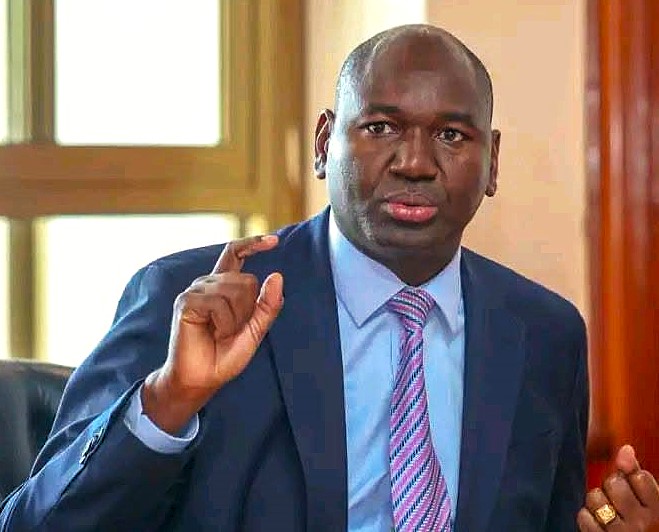
Officials from the Institute of Public Finance during the release of the Annual National Shadow Budget
The Institute of Public Finance has released the sixth edition of the Annual National Shadow Budget 2026/27, calling on the government to restore fiscal discipline and align policy promises with realistic financing plans.
The report comes at a time when Kenya continues to face rising public debt, tightening fiscal space, increasing social demands, and exposure to both domestic and global economic shocks. According to the organization, global developments including the ongoing war in Iran have contributed to instability in oil prices, affecting economies around the world, including Kenya.
This year’s Shadow Budget is themed “From Optimism to Realism: Aligning Kenya’s Policy Commitments with the Budget.” The organization said the theme reflects growing concern over the widening gap between government policy commitments and the actual resources allocated through the national budget.
According to the report, the national budget should not only be viewed as a technical financial tool but also as a reflection of the country’s priorities, trade offs, and commitment to improving the lives of citizens.
“At the heart of this year’s Shadow Budget is a simple but powerful message: Kenya’s policy ambitions are not consistently matched by credible financing plans, and this disconnect is undermining delivery across key sectors,” the organization stated.
The report identifies health, social protection, women’s economic empowerment, and climate adaptation as some of the sectors facing financing challenges despite strong policy commitments from the government.
According to IPF, financing in these sectors remains weak, fragmented, and poorly coordinated, resulting in uneven outcomes and limited impact on citizens.
In the health sector, the organization raised concerns over the country’s heavy dependence on donor funding. IPF warned that the absence of a clear post donor transition plan could affect the sustainability of healthcare services in the future.
The organization called for increased domestic health financing to ensure essential health services continue without disruption and to strengthen Kenya’s healthcare system.
“Kenya’s policy ambitions are not consistently matched by credible financing plans,” the report stated, adding that the mismatch continues to weaken service delivery and development outcomes.
On social protection, the organization emphasized the need for stronger and more coordinated systems to support vulnerable populations, particularly during periods of economic hardship.
According to the report, fragmented programs and inconsistent funding continue to limit the effectiveness of social protection initiatives across the country.
The organization also urged the government to institutionalize gender responsive budgeting. IPF argued that women’s economic empowerment programs remain underfunded despite the major role women play in supporting households and driving economic growth.
The report further recommended that gender considerations be integrated more effectively into sector budgets to ensure equitable allocation of public resources and inclusive development.
Climate adaptation financing also emerged as a major concern in the report. IPF warned that climate related shocks continue to threaten livelihoods, food security, and economic stability, yet financing for adaptation measures remains insufficient in many government sectors.
The organization called on the government to mainstream climate adaptation financing across all sector budgets rather than treating climate interventions as secondary priorities.
In its recommendations, IPF urged the government to use the 2026/27 budget to restore fiscal discipline and refocus public spending on high impact priorities.
The organization recommended the adoption of realistic revenue projections, noting that overly optimistic revenue targets often contribute to budget deficits and increased borrowing.
IPF also called for the enforcement of hard spending ceilings and urged the government to limit the use of supplementary budgets, arguing that frequent budget revisions weaken accountability, transparency, and proper planning within public finance management.
The report further stressed the importance of enhancing parliamentary oversight to ensure public resources are allocated and utilized effectively.
According to IPF, stronger oversight mechanisms would help improve accountability and restore public confidence in the country’s budgeting process.
The release of the Shadow Budget comes as Kenya continues to grapple with economic challenges, including a rising cost of living, pressure on public services, and concerns over the sustainability of public debt.
Economic experts have repeatedly warned that balancing fiscal consolidation with increasing social and development demands remains one of Kenya’s biggest economic challenges.
IPF maintained that aligning policy commitments with sustainable financing plans is necessary to achieve meaningful development outcomes and improve the welfare of citizens.
The organization said the budget should focus on practical priorities capable of delivering measurable impact rather than ambitious promises that lack financial backing.
The report is expected to contribute to ongoing discussions among policymakers, Parliament, civil society organizations, and development partners regarding Kenya’s fiscal direction and spending priorities for the upcoming financial year.
IPF encouraged the government to prioritize high impact sectors and ensure that public spending translates into tangible improvements in the lives of ordinary Kenyans.
The organization also emphasized the importance of transparency, accountability, and responsible budgeting in strengthening the country’s economic resilience amid growing uncertainties in the global economy.