
How the UAE Is Emerging as Africa’s Most Consequential Clean Energy Ally
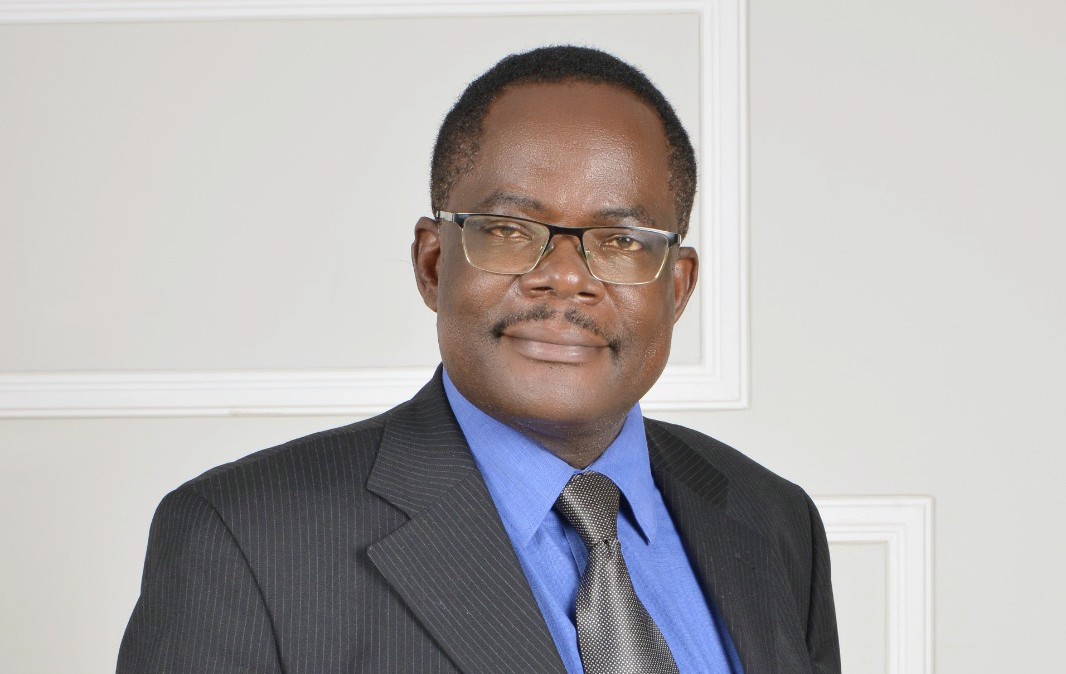
Zachary Ochieng: The author is a Global Communications Strategist and a commentator on climate change.
The stark reality of climate change and its devastating impact on our world is no longer in doubt. Its consequences are far-reaching, affecting nations across the globe and creating a renewed sense of urgency. We are at a critical juncture that demands innovative, pragmatic, and people-centred climate solutions not only for today, but for future generations and the planet.
In sub-Saharan Africa, a significant energy deficit and heightened vulnerability to climate change continue to hinder progress toward sustainable and inclusive growth. How the region leverages its vast renewable energy potential is now one of the most pressing policy questions of our time.
Africa faces a dual challenge: providing electricity to over 600 million people nearly half the continent while confronting climate change, despite contributing less than 3% of global emissions. Expanding energy access is essential for economic transformation, but it must be done sustainably, with a focus on renewables and cleaner energy sources, to avoid locking in high-emission infrastructure.
This twin challenge is too large for African nations to tackle alone. It underscores the need for international partnerships grounded in shared priorities rather than charity.
Leveraging Strategic Partnerships
In recent years, the United Arab Emirates (UAE) has positioned itself as one of Africa’s most consequential partners in the green energy transition. Through entities such as Masdar (Abu Dhabi Future Energy Company), the UAE has committed more than $10 billion to clean energy projects across the continent from Egypt and Mauritania to Kenya and South Africa.
These investments target solar, wind, and hydropower resources Africa possesses in abundance but has yet to fully harness at scale. Complementing this is Etihad 7, a UAE-led initiative aimed at delivering clean electricity to 100 million people in Africa by 2035.
“Renewable energy in Africa is a strategic priority for the UAE,” says H.E. Sultan Mohammed Al Shamsi, UAE Assistant Minister of Foreign Affairs for Development and International Organizations. He notes that Africa’s vast, underutilised renewable potential presents an opportunity to expand energy access, accelerate economic growth, and strengthen climate resilience, while advancing a just and inclusive energy transition.
Drawing on its domestic capabilities and global experience in renewable energy development, project delivery, and innovative financing, the UAE views investment in Africa’s clean energy sector as a central pillar of its long-term engagement with the continent.
A statement issued during the 39th Ordinary Session of the African Union Summit in Addis Ababa in February underscored this growing influence, noting that the UAE has become Africa’s largest single-country investor in recent years. Between 2019 and 2023, it committed more than $110 billion across the continent, with over $70 billion directed toward energy and green sectors.
Under the Africa Green Investment Initiative, $4.5 billion has already been mobilised for more than 60 projects spanning solar, wind, geothermal, battery storage, and green hydrogen.
Political Will Driving Africa’s Green Transition
Importantly, Africa is not a passive player in this transition. Despite persistent challenges including financing gaps, debt pressures, and infrastructure deficits the continent has demonstrated clear political will.
The Africa Climate Summits held in Nairobi in 2023 and Addis Ababa in 2025 produced landmark declarations affirming Africa’s commitment to a green future.
The Nairobi Declaration of 2023 called for unlocking renewable energy potential, scaling green industrialisation, and reforming global financial systems to better support climate-vulnerable countries. Building on this momentum, the 2025 Addis Ababa Declaration went further by setting concrete renewable energy targets, introducing accountability measures for climate finance, and advocating for a fairer carbon credit system.
Initiatives such as the Mission 300 Agenda and the Clean Cooking Initiative aim to expand access to modern energy for 300 million Africans and clean cooking solutions for 900 million people within the decade.
Leaders also pushed for Africa’s share of global renewable energy investment to increase from just 2% today to at least 20% by 2030 a shift that would better reflect the continent’s immense potential.
These summits signal a decisive shift: African leaders are no longer waiting on the sidelines. They are actively shaping their own green future. For the UAE, this ambition reinforces Africa’s role not as an aid recipient, but as a strategic partner in the global clean energy transition.