

The silence after the sirens: Nairobi’s construction safety crisis hits home
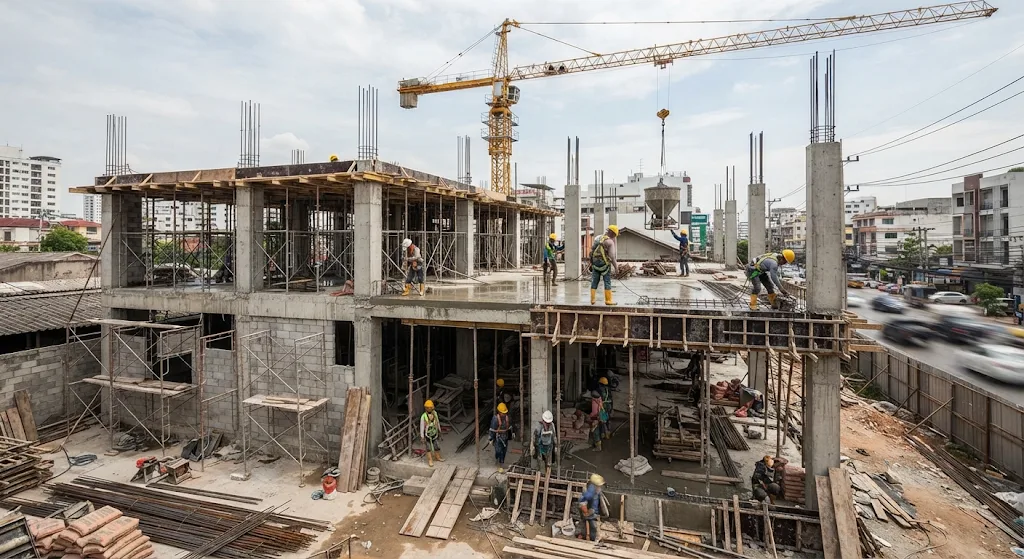
This is not merely a disaster report but an accountability feature. It traces the final hours of the Syokimau site, where workers were pouring concrete on the ninth floor when the formwork failed beneath them. The narrative then pivots to the broader systemic issue: why do these collapses keep happening? Local reports consistently point to substandard materials, poor workmanship and inadequate supervision. The story weaves together the grief of victims’ families with the technical failures that led to the sirens, showing how regulatory neglect turns ordinary workdays into fatal ones.
The human cost of construction failures
November 23 marks just over a week since the Syokimau collapse. The initial shock has faded and the funerals are underway. This is the precise moment when public attention wanes and when the risk of regulatory amnesia sets in. By focusing on the specific failure of the formwork and the recurring pattern of negligence across Nairobi’s construction sites, the story demands answers before the next building goes up.
Survivors and families seek answers
Interviews with survivors and rescue workers from the Nairobi City County fire team and Urban Search and Rescue will ground the narrative in lived experience. Families of the six middle-aged men who died put a human face on the statistics.
Policy experts from Kenya’s public policy research institutes explain why existing building codes are not being enforced. Residents living near the SGR Syokimau access road, who now look at the remaining structures with fear, complete the picture.
Can Nairobi build without costing lives?
As Nairobi races toward modernisation, this feature asks whether the city can afford to build at the expense of the lives holding the scaffolding. It is a story of concrete and consequence, told through the people left picking up the pieces and through the silence that follows every siren.