
Parliament backs NSSF’s Shilling investment in Rironi–Mau Summit highway
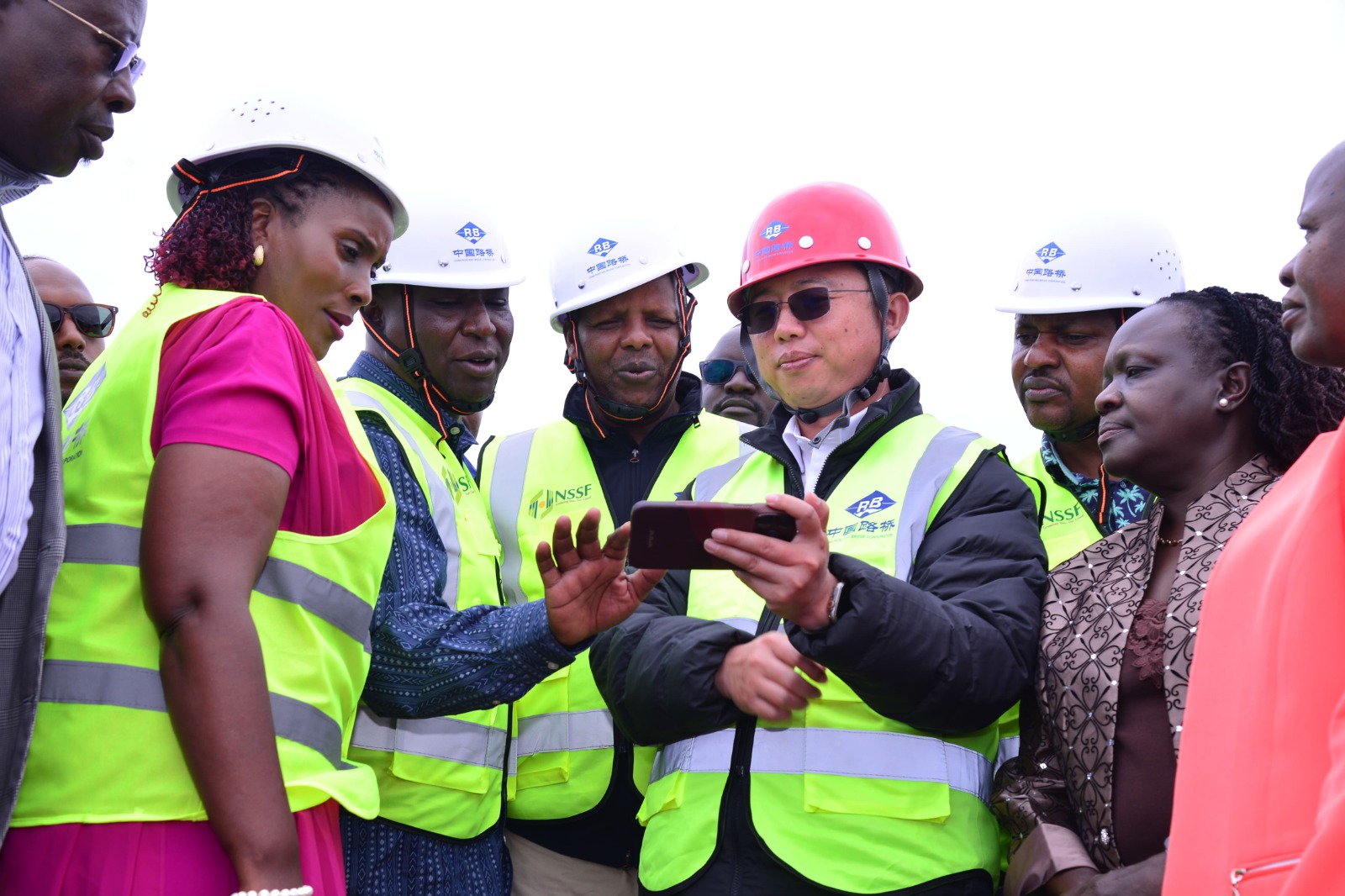
The endorsement follows an inspection tour of the 81-kilometre Rironi–Gilgil section by the National Assembly’s Departmental Committee on Social Protection, which found construction progress at approximately 40 per cent.
Committee chairperson Alice Ng’ang’a said the Fund had made the right decision by investing members’ savings in the road project, which is expected to improve transport along one of Kenya’s busiest corridors.
“From where I sit at the National Assembly, you made the right decision,” Ng’ang’a told NSSF officials during the visit.
She added that the committee had observed encouraging progress on the project, with the contractor indicating that the Rironi–Naivasha–Gilgil stretch could be usable by March 2027.
NSSF defends investment strategy
The 233-kilometre Rironi–Mau Summit highway is being developed under a public-private partnership launched in November 2025.
The project comprises three sections: Rironi–Naivasha–Gilgil, covering 81 kilometres; Rironi–Mai Mahiu–Naivasha, covering 58 kilometres; and Gilgil–Nakuru–Mau Summit, spanning 94 kilometres.
NSSF and China Road and Bridge Corporation are developing the first two sections, while Shandong Hi-Speed Road and Bridge International Engineering is handling the third.
The Fund said the investment forms part of its strategy to diversify members’ savings beyond traditional assets such as government bonds and invest in long-term infrastructure projects capable of generating income.
Under the financing structure, the project is funded through 25 per cent equity and 75 per cent debt, with NSSF contributing 40 per cent of the equity. During the 30-year concession, the Fund is expected to receive 40 per cent of toll collections.
Motorists to pay Ksh8 per kilometre
NSSF Managing Trustee and Chief Executive Officer David Koross said the Fund had assessed the risks associated with the investment and put safeguards in place to protect contributors’ savings.
He said the project’s traffic projections indicated continued growth along the corridor, while the risks identified had been factored into the toll rates.
The government, through the Kenya National Highways Authority (KeNHA), will determine toll policy and charges.
Motorists using the Rironi–Gilgil section will pay Sh8 per kilometre, translating to approximately Sh648 for the entire 81-kilometre stretch, with payments collected at three toll stations.
Koross said motorists travelling on local errands would not be charged if they exited the road before reaching the next toll station.
“If you are in your own local errands, you will not be charged toll fees,” he said.
The Rironi–Naivasha section is targeted for completion in December 2026, while the entire highway corridor is scheduled for completion by June 2027.