
Breaking the chains
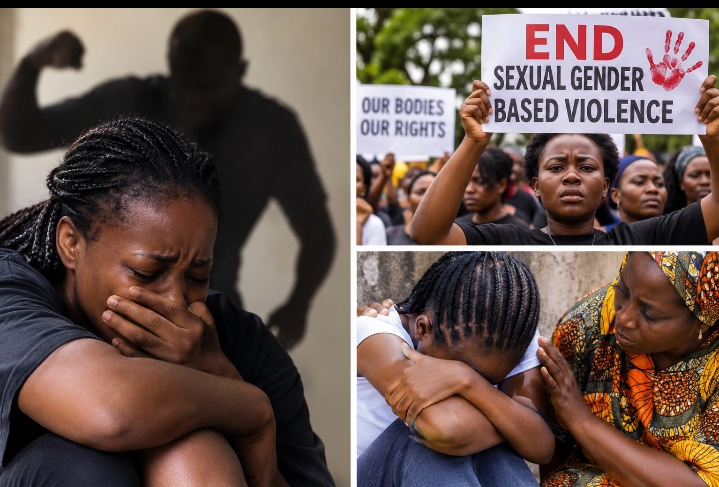
Meet Akiru, a young woman from Kakuma, a village in Turkana, who endured years of physical and emotional abuse at the hands of her husband. Despite her suffering, she remained silent due to societal pressures and fear of reprisal.
Or consider the story of Cherop, a young woman from Cheptiret, Eldoret, who, despite facing abuse from her husband for years, remained silent due to societal pressure and fear of stigma.
The notion shared by these two unfortunate women is that, ‘I thought I had to endure the abuse because it was my duty as a wife.’ Africa is a continent marred by these and many more stories. In the words of Leymah Gbowee, Liberian peace activist and Nobel laureate: “Gender-based violence thrives on silence and thrives on shame.”
The phenomenon of gender-based violence has been prevalent in my home country, Kenya, and across the larger continent of Africa for decades. Whilst writing on this theme, my heart is overwhelmed, and grief clouds its very essence.
In a world where we campaign and advocate for the rights of young girls, women, boys and men, to the extent of enacting laws that impose sanctions on those caught committing heinous acts of violence against men and women, we unfortunately fail repeatedly to uphold the very spirit of this campaign.
Nelson Mandela, the iconic South African leader, emphasised: “Freedom cannot be achieved while half of our population is still oppressed by violence.”
Having worked with young women and men from diverse backgrounds, I have realised that we relate to each other’s challenges. We are all still finding our way through long-standing inequalities born of discrimination, lack of financing, lack of support and a lack of voice. However, today I write on a theme that remains ‘silent’.
Understanding Gender -Based Violence
Gender-based violence, often abbreviated as GBV, encompasses any harmful act perpetrated against an individual based on their gender identity or perceived roles. It manifests in various forms, including physical, sexual, emotional and economic abuse, and it affects people of all genders.
In Africa, GBV is a pervasive issue that infringes upon the fundamental rights and dignity of individuals, particularly women and girls. Across the world, and specifically in Africa, where it is prevalent, GBV is often considered a ‘tip of the iceberg’ or a ‘silent epidemic’ because victims are hesitant to reveal their experiences of violence due to many barriers.
The barriers that keep victims silent
These barriers include, but are not limited to, fear of stigma and shame, financial barriers, lack of awareness of available services, fear of revenge, lack of law enforcement action and attitudes that regard violence as a normal component of life.