
Over 231,000 Children Hit by Neglect as US-Funded ChildSafe Project Seeks to Keep Families Together
A 4.8 million dollar US-funded programme, the ChildSafe Initiative, has been unveiled at the Safari Park Hotel in Nairobi to tackle child neglect, which is linked to more than 70 percent of over 231,000 child protection cases in Kenya.
The project will strengthen families, teach parents how to care for their children and reunite separated children with their families before neglect pushes them onto the streets or into institutions. It is hosted by Catholic Relief Services (CRS) with UNICEF and the State Department for Children’s Services, and funded by the US government through the America First Global Health Strategy.
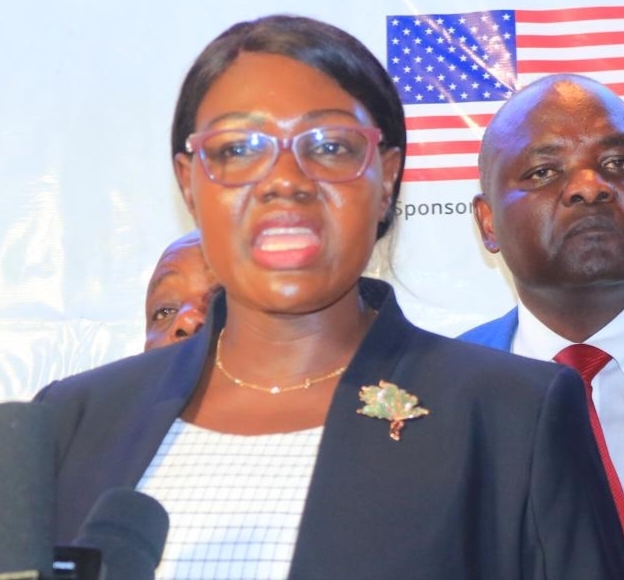
Speaking during the launch, Principal Secretary for Children’s Services Caren Agengo said the project will bring separated children back to their families and expand the positive parenting programme.
“One of the key objectives of this project will be to ensure we reintegrate such children into their families. Also to introduce and strengthen the positive parenting program that is run by the State Department for Children’s Services together with our partners.”
She said most children are separated from their families because of poverty and orphaning, while others are abandoned by parents, who the programme will teach how to care for their children.
CRS Country Manager Margaret Kahiga said the work fits the organisation’s mission of supporting the most vulnerable.
“We know that children’s issues are very, very critical, especially when we are looking into the future. We really have to invest in children.”
Heidi O’Bra, Head of Health at the Office of Foreign Assistance at the U.S. Embassy in Nairobi, said the funding will keep essential social services running and ensure they are of good quality.
“It’s contributing 3.8 million dollars for the Child Safe activity through the Catholic Relief Services, as well as an additional 1 million dollars for UNICEF, also for child protection.”
The project will operate in six priority counties, including Kisumu, Kakamega, Nairobi and Mombasa, to test approaches that can inform national child protection.
It will also provide psychosocial support, referral services and community-based prevention, and tackle online child exploitation and teenage pregnancies.
Ms Agengo said reporting will be overhauled. The child protection information system will be strengthened, and an app will let anyone report cases directly to government officers.
The 116 child helpline will also be improved because some calls drop before they are answered.
Ms Agengo said the project will be government-led and urged partners to align funding with national priorities to avoid duplication. She added that the government should eventually take over budgeting, since the country cannot rely on external resources forever.
She said better prevention would also cut costs such as court time for magistrates, investigators and prosecutors, freeing money for children.
She also called for recognition and training of community volunteers who have worked unpaid for years so they can report cases accurately.
Children’s data, she said, must be protected in line with the Data Protection Act of 2019.