
Nairobi Locked Down as Kenya Marks Second Anniversary of Gen Z Protests
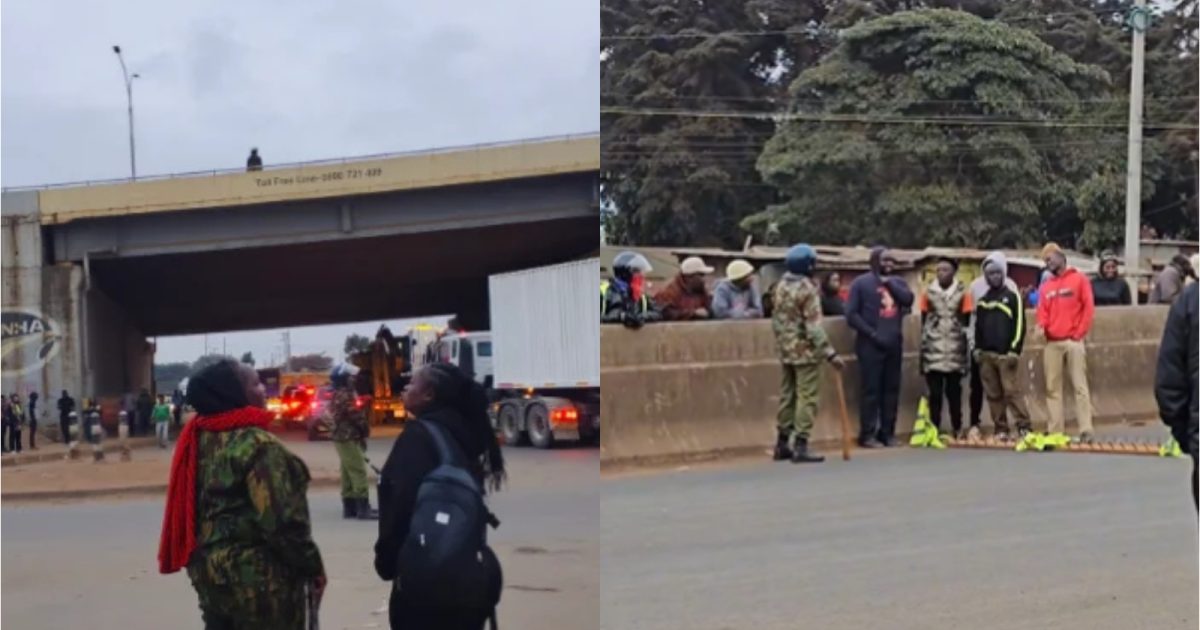
Police sealed off major roads leading into Nairobi’s central business district on Thursday as Kenya marked the second anniversary of the June 25, 2024 Gen Z protests, with thousands expected to participate in demonstrations demanding justice for victims killed during last year’s anti-government unrest.
Security agencies mounted roadblocks along key highways and access routes into the capital, leaving thousands of commuters stranded and disrupting normal business activities. Several schools, shops and offices remained closed as authorities intensified security operations ahead of the planned protests.
The demonstrations are being held to commemorate more than 80 people who were killed and dozens injured during the anti-tax protests of 2024 and subsequent anniversary demonstrations, according to activists and human rights groups.
The protests, largely organised through social media platforms, are expected to take place in Nairobi, Mombasa and several other towns across the country.
Early Thursday, police established checkpoints along the Thika Superhighway, Mombasa Road, Nairobi-Namanga Highway, Waiyaki Way, Jogoo Road, Kenyatta Avenue and other major routes, preventing both motorists and pedestrians from accessing parts of the city centre.
Long traffic jams quickly formed as security officers screened vehicles and restricted movement into Nairobi. Public transport services were also affected, with some passengers forced to continue their journeys on foot after vehicles were turned back.
The heightened security presence was accompanied by reports of clashes between police and protesters in some areas.
In Githurai, on the outskirts of Nairobi, demonstrators lit fires on roads as tensions escalated. Television footage showed thick smoke rising from burning barricades while anti-riot police deployed tear gas to disperse crowds.
Several arrests were reported in Nairobi as police moved to prevent protesters from accessing restricted sections of the city.
Families who lost loved ones during the 2024 demonstrations joined opposition leaders and civil society groups in commemorating those killed during the protests.
Some bereaved parents appealed for peaceful observances, saying they wanted an opportunity to honour the memory of their children without violence.
“We don’t want tear gas and running battles in the streets. We are too old for that,” one parent told journalists.
Opposition leaders, including Kalonzo Musyoka, Martha Karua and Eugene Wamalwa, joined families of victims in laying wreaths near Parliament Buildings in tribute to those who lost their lives during the demonstrations.
The June 2024 protests erupted after the government introduced a controversial Finance Bill that proposed a series of tax increases amid rising living costs. Public anger culminated in demonstrators breaching Parliament grounds as lawmakers debated the legislation.
The unrest forced President William Ruto’s administration to withdraw the Finance Bill following widespread public opposition.
Ahead of Thursday’s demonstrations, authorities urged protesters to remain peaceful and avoid acts of vandalism, looting and destruction of property.
President William Ruto last week reaffirmed the constitutional right of Kenyans to protest but warned that individuals intent on causing chaos or damaging property would face the full force of the law.
Several political leaders, human rights organizations and civil society groups have voiced support for peaceful demonstrations, describing them as a legitimate form of democratic expression.
At the same time, former Deputy President Rigathi Gachagua urged young people to avoid taking to the streets, warning that the protests could become violent. Instead, he called on Kenyans to remain at home as a symbolic act of protest.
The anniversary comes amid continuing debate over accountability for victims of the 2024 protests.
Last week, President Ruto announced a compensation package worth nearly Sh2 billion for close to 2,000 victims of protest-related human rights abuses recorded between 2017 and 2025.
The President described the initiative as recognition of the suffering experienced by victims and their families, while insisting it should not be interpreted as compensation for violence or criminal activity.
However, several human rights organizations have criticized the programme, citing concerns over transparency, the exclusion of some victims and the adequacy of the compensation amounts.
The demonstrations are unfolding against a backdrop of growing political tensions and economic challenges as the country moves closer to the 2027 General Election.
While critics accuse the government of failing to fulfill key campaign promises, President Ruto has defended his administration’s record, maintaining that significant progress has been made in implementing its development agenda and improving the country’s economic outlook.