
Kibra MP Aspirant Daniel Orogo Unveils Agenda on Services and Youth Opportunities
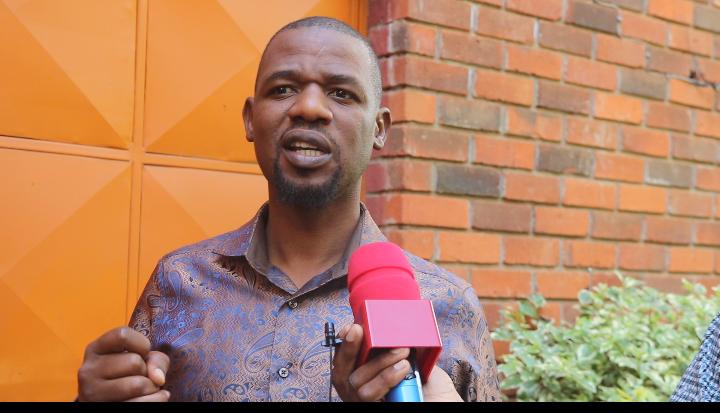
Kibra Aspiring Member of Parliament Daniel Orogo speaking during a press briefing with Newslight Kenya on June 16, 2026. Photo/ Clara Sande
Kibra, one of Nairobi’s largest informal settlements, continues to face deep-rooted challenges linked to service delivery, infrastructure, and economic opportunity, reflecting wider conditions documented in studies of urban informal settlements in the city.
Kibra is widely recognised as one of Africa’s largest informal settlements, with estimates placing its population in the hundreds of thousands within a compact urban space. Research and reports on the area have consistently highlighted limited access to basic services such as clean water, sanitation, housing, and formal education infrastructure, alongside high levels of unemployment and poverty.
The settlement, located about 6.6 kilometres from Nairobi’s central business district, is made up of multiple villages and dense housing clusters, where access to public services often remains uneven and inconsistent. Government ownership of land in the area and the informal nature of housing have also contributed to long-standing challenges in planning and service provision.
Within this context, political leaders and aspirants have often based their campaigns on service delivery issues that continue to affect daily life in the area.
One of them is Kibra Member of Parliament aspirant Daniel Orogo, who is positioning his political agenda around education, water access, security, and youth employment, saying these remain the most pressing concerns raised during his engagement with residents over time.
“I’ve been focusing on education, water and security because these are the real challenges affecting the people of Kibra. These are not new problems, they are everyday realities that residents continue to live with,” Orogo said.
Education remains a central issue in the constituency, where limited availability of affordable schools has been cited as a challenge for many households. In densely populated areas such as Kibra, access to nearby learning institutions is often constrained, with learners sometimes required to travel outside their immediate neighbourhoods.
Orogo says this gap continues to affect equal access to opportunity, particularly for children from low-income households.
“I’ve been saying the need for fair distribution of educational resources, including building affordable and accessible schools to the people of Kibra. Education is an equaliser, and the children of Kibra deserve a better education,” he said.
Water access remains another recurring concern in the settlement, where residents in different sections rely on intermittent supply and often queue for long periods to access basic household water. Reports on informal settlements in Nairobi have consistently identified water and sanitation as key infrastructure challenges.
Orogo says the situation reflects a broader infrastructure gap that requires long-term planning and investment.
“Can you imagine this day and age, people of Kibra are still spending hours every weekend lining up with containers just to get water,” he said.
Employment is another area he has placed at the centre of his proposed agenda, particularly for young people who make up a significant portion of the population in informal settlements. High youth unemployment remains a structural challenge across Nairobi’s low-income urban areas, where access to formal job opportunities is often limited.
Orogo is proposing the establishment of a job centre in Kibra that would connect young people to training, mentorship, and opportunities, especially in digital and informal economic sectors.
He also highlights insecurity as an issue requiring coordinated intervention between local leadership and national government security agencies, arguing that no single office can address the challenge alone.
Orogo is not new to the political landscape in Kibra, he previously contested the Kibra parliamentary seat during the 2019 by-election, a closely watched race held following the death of former MP Ken Okoth.
The contest attracted multiple candidates from across the political divide, reflecting Kibra’s strategic importance in Nairobi politics.
He says that experience continues to shape his current political thinking and engagement with residents, especially in understanding the scale of service delivery gaps in the constituency.
His current messaging, however, places stronger emphasis on structured development priorities, particularly around education, water access, and youth employment, which he argues remain central to improving living conditions in the area.