
Kenya’s Youth-Led Push for a National Action Plan on Peace and Security Gains Momentum
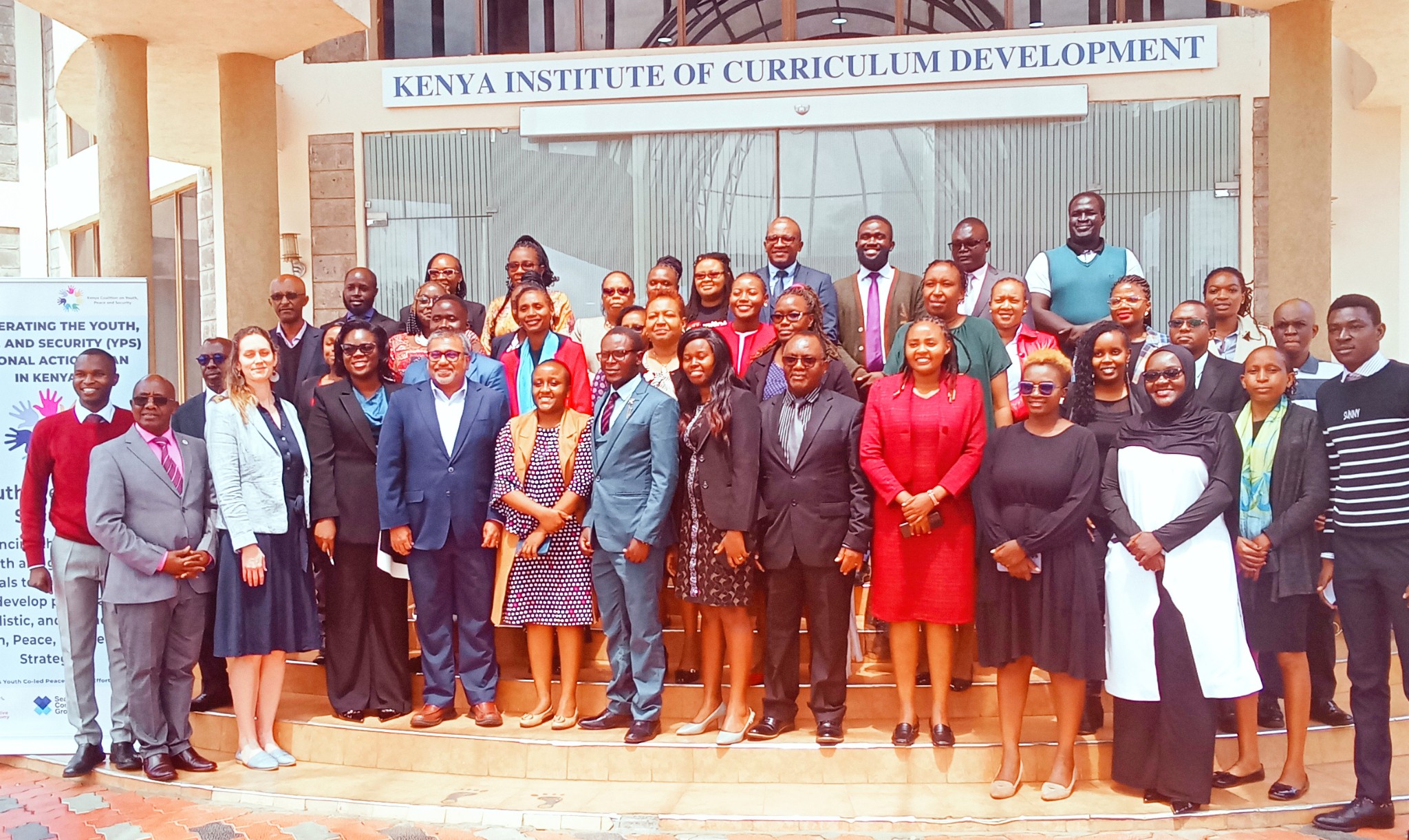
Youth leaders, government officials, and civil society representatives have converged in Nairobi to accelerate efforts toward establishing Kenya’s first-ever National Action Plan on Youth, Peace, and Security (YPS). The initiative seeks to provide young people with a structured framework to actively participate in governance, security, and economic growth while addressing challenges such as unemployment, disengagement, and reintegration.
Speaking during the forum, Christine Odera, Co-Chair of the Kenya Coalition on Youth, Peace, and Security, emphasized the importance of a youth-driven policy-making approach.
“We want to co-create with the government so that we own the processes as young people. Most of the time, governments introduce programs that do not resonate with us. This time, we are ensuring policies are designed by young people, not just for young people,” Odera said.
The proposed five-year National Action Plan (NAP) will focus on key areas, including youth protection, participation, and economic empowerment.
Felix Orwaka, Co-Chair of the Kenya Coalition for Youth, Peace, and Security, highlighted the need to channel young people’s energy into productive sectors such as agriculture and entrepreneurship.
“We want to shift the narrative. Instead of focusing on the negative aspects of youth, let’s look at the potential they bring. How do we amplify their voices in agriculture? How do we ensure their contributions are recognized at the national level?” he posed.
The Youth, Peace, and Security agenda was first ratified in 2015 under the United Nations Security Council Resolution 2250, which recognized young people as crucial partners in conflict prevention and peacebuilding.
The coalition is working closely with the Ministry of Youth Affairs, county governments, and parliamentarians to ensure the policy gains legislative backing.
Government representatives affirmed their commitment to the initiative, with Emily maina, Director of Youth Social Development, underscoring the need for synergy between state and non-state actors.
“Youth empowerment is not solely the government’s responsibility. That’s why we have development partners like UNICEF, the National Youth Service (NYS), and the International Centre for the Great Lakes Region, among others, collaborating to create an environment where young people can thrive,” she said.
The government has rolled out several programs, including the Hustler Fund, Youth Enterprise Development Fund, and National Youth Opportunity Towards Advancement (NYOTA) Program, to provide financial support and training for young entrepreneurs.
However, concerns have been raised about bureaucratic hurdles that prevent many young people from accessing these funds.
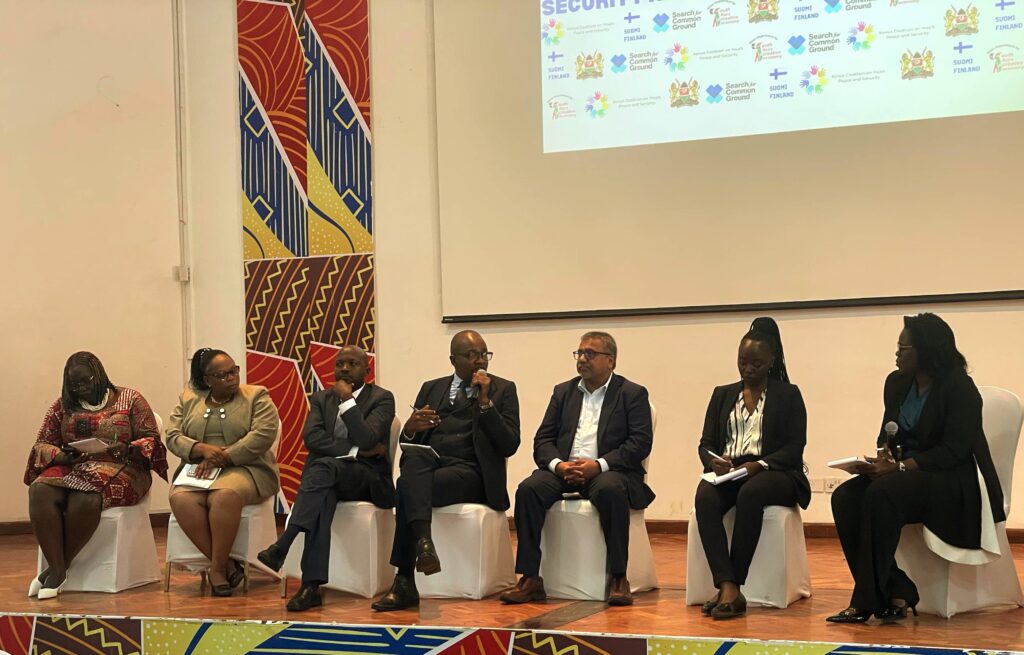
The coalition is also focusing on rural and marginalized youth, ensuring that those without internet access or financial resources can still participate in national development.
Judy Kimamo, Country Director at Search for Common Ground, emphasized that Kenya’s YPS National Action Plan aligns with global efforts to integrate youth in decision-making processes.
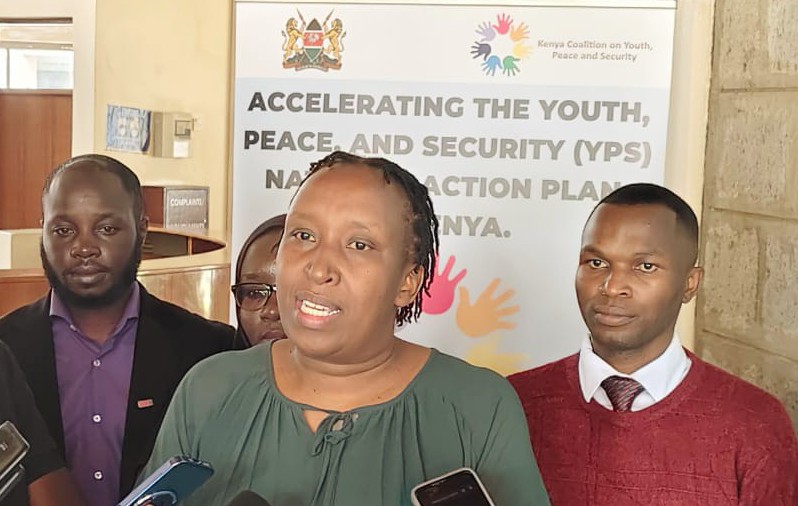
Judy Kimamo, Country Director at Search for Common Ground,
“Young people form a large demographic in Kenya and are central to our nation’s peace, cohesion, and growth. This action plan will ensure their voices shape the country’s security and development strategies,” Kimamo stated.
If successfully implemented, Kenya will become the seventh African country to develop a YPS National Action Plan, a milestone that could set the stage for broader youth engagement ahead of the next general elections.
With youth-led advocacy gaining traction, stakeholders are optimistic that the policy will be adopted within the next one to two years, paving the way for a more inclusive and secure future for Kenya’s young generation.
By Sharon Atieno