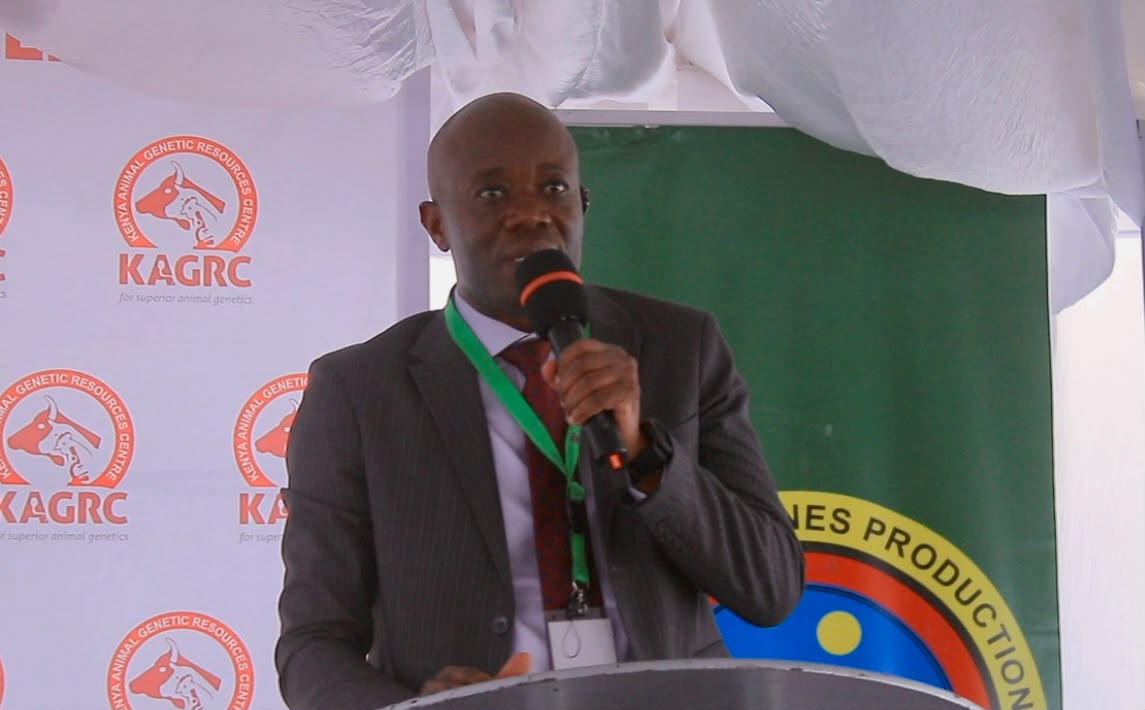

Kenya, Pakistan Deepen Economic Ties to Boost Trade, Investment, and Cultural Exchange

Kenya and Pakistan have renewed their commitment to deepen bilateral trade and investment ties through expanded economic cooperation, diversified exports, and strengthened private sector linkages during a high-level Pakistan-Kenya Business Council (PKBC) Importers Networking Breakfast Meeting themed : Unlocking Trade, Investment, and Cultural Opportunities between Kenya and Pakistan.
Speaking at the forum in Nairobi Hotel, Principal Secretary in the State Department for Trade, Regina Ombam, hailed the gathering as a timely opportunity to enhance cooperation between the two nations.
She noted that the presence of government officials, importers, exporters, insurers, financiers, and logistics experts highlighted the strategic intent to move towards a future of shared prosperity.
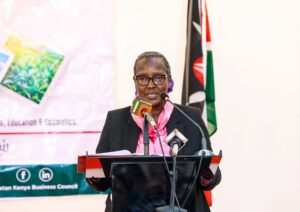
“Kenya and Pakistan have enjoyed warm and enduring relations since 1963,” Ombam said, citing education cooperation under the Pakistan Technical Assistance Programme and signed Memoranda of Understanding in tourism, agriculture, ICT, and vocational training.“Our economies are complementary, and this relationship presents untapped potential.”
In 2024, bilateral trade stood at approximately USD 910 million, up from USD 752.6 million the previous year. Kenya’s tea accounts for over 80 percent of exports to Pakistan, while Pakistan remains a key supplier of cereals, pharmaceuticals, and surgical equipment.
However, Ombam highlighted the need to diversify Kenya’s export base to include horticulture, nuts, textiles, and processed foods, and stressed the urgency of moving beyond raw trade to value-added manufacturing. She also encouraged joint investments in sectors like agro-processing, ICT, renewable energy, and logistics, tapping into Kenya’s strategic position in the African Continental Free Trade Area (AfCFTA).
On trade facilitation, Ombam underscored the importance of efficient ports, simplified customs, and digital trade platforms. She called on Pakistani investors to explore Kenya’s Special Economic Zones and Export Processing Zones.
One key concern raised was the 46 percent tariff on Kenyan tea exports to Pakistan, which the PS termed as a distortionary barrier that fuels informal trade. She called for a balanced resolution and stronger regulatory harmonization between both countries’ standards agencies.
Making his remarks,PKBC President Rafique Suleman noted that Pakistan seeks to expand its exports to Kenya to achieve a more balanced trade relationship. Citing Pakistan’s strengths in pharmaceuticals and sports goods, he emphasized the country’s growing role as a source of affordable, quality medicines an alternative to traditional Indian suppliers.
He also raised logistical concerns affecting Pakistani exporters, particularly limited port clearance times and unreliable systems at the Kenya Revenue Authority (KRA), which increase costs and burden Kenyan consumers.
“We want to provide quality goods at affordable prices. That’s why we ask for a five-day clearance window at the port to avoid unnecessary charges,” Suleman said.
Commercial Counsellor at the Pakistan High Commission, Adeela Younis, echoed the PS’s sentiments, advocating for preferential trade treatment and emphasizing the private sector’s critical role in driving economic relations.
“Our job as governments is to create the framework, but it is the business community that truly executes these trade relationships,” said Younis.
General Manager Commercial Department at Mitchell Cotts SEZ Limited Maina Kio said they support a wide range of products including tea, rice, pharmaceuticals, medical equipment, and are exploring opportunities in textiles and sportswear

“With our warehousing and airport facilities, we’re well-positioned to handle both bulk shipments and time-sensitive goods,” Kio stated, adding that their presence in Uganda, Rwanda, South Sudan, and soon Tanzania, makes them a vital logistics partner across East Africa.
Mitchell Cotts Special Economic Zone Limited is a logistics firm and key PKBC member, outlined its role in facilitating Kenya-Pakistan trade.Despite regulatory uncertainties, Kio expressed optimism about the future. “We see more opportunities than challenges,” he said.
As preparations begin for the Joint Trade Committee meeting in September 2025, Kenya and Pakistan appear poised to recalibrate their economic partnership, with a focus on trade diversification, private-sector inclusion, fair tariffs, and sustainable investment.
The State Department for Trade reaffirmed its commitment to support this evolving relationship and collaborate closely with PKBC and other stakeholders to unlock the full potential of bilateral economic cooperation.
By Sharon Atieno