
From Skepticism to Global Success: The Story of the Man Who Helped Open the Door for M-Pesa
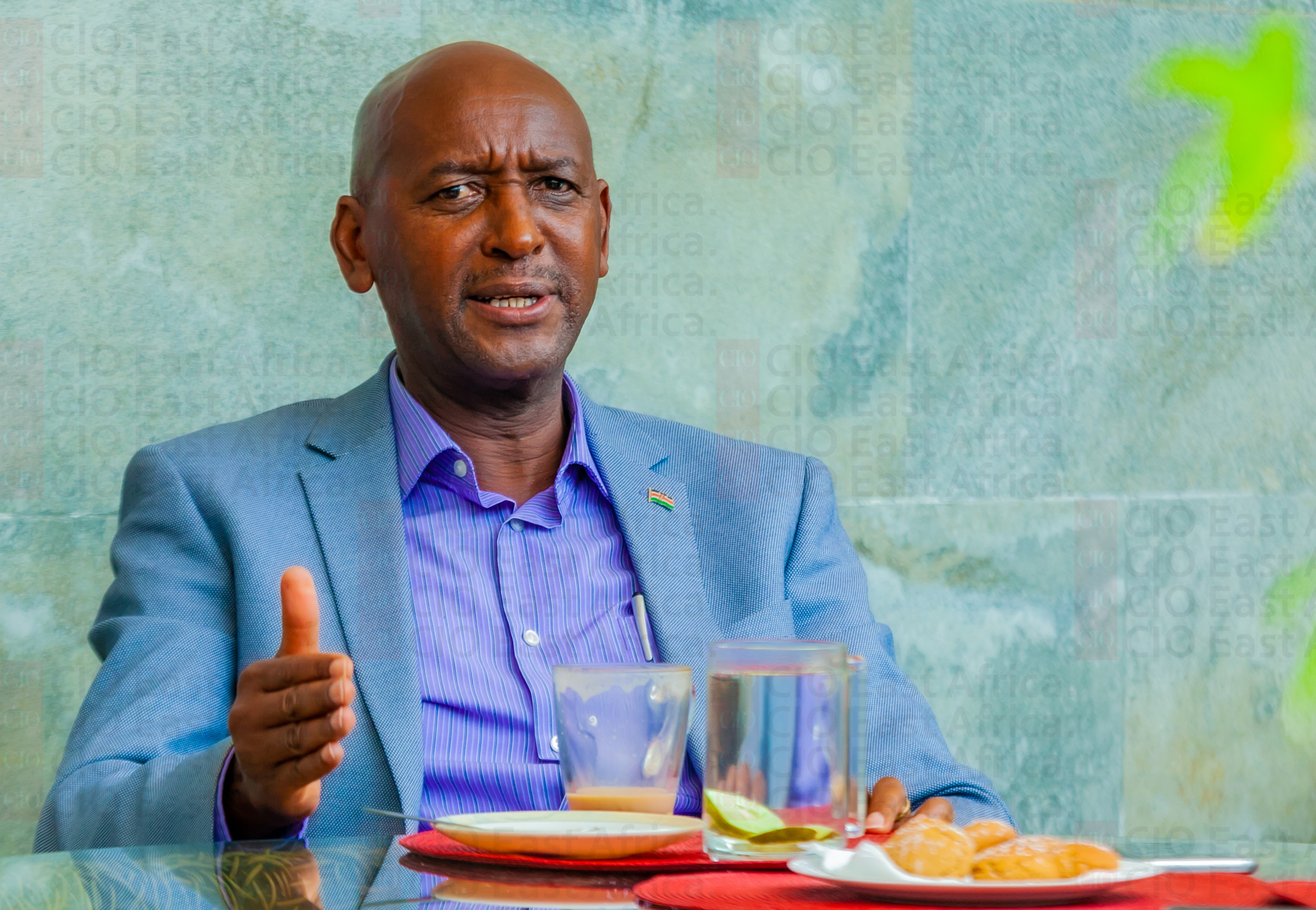
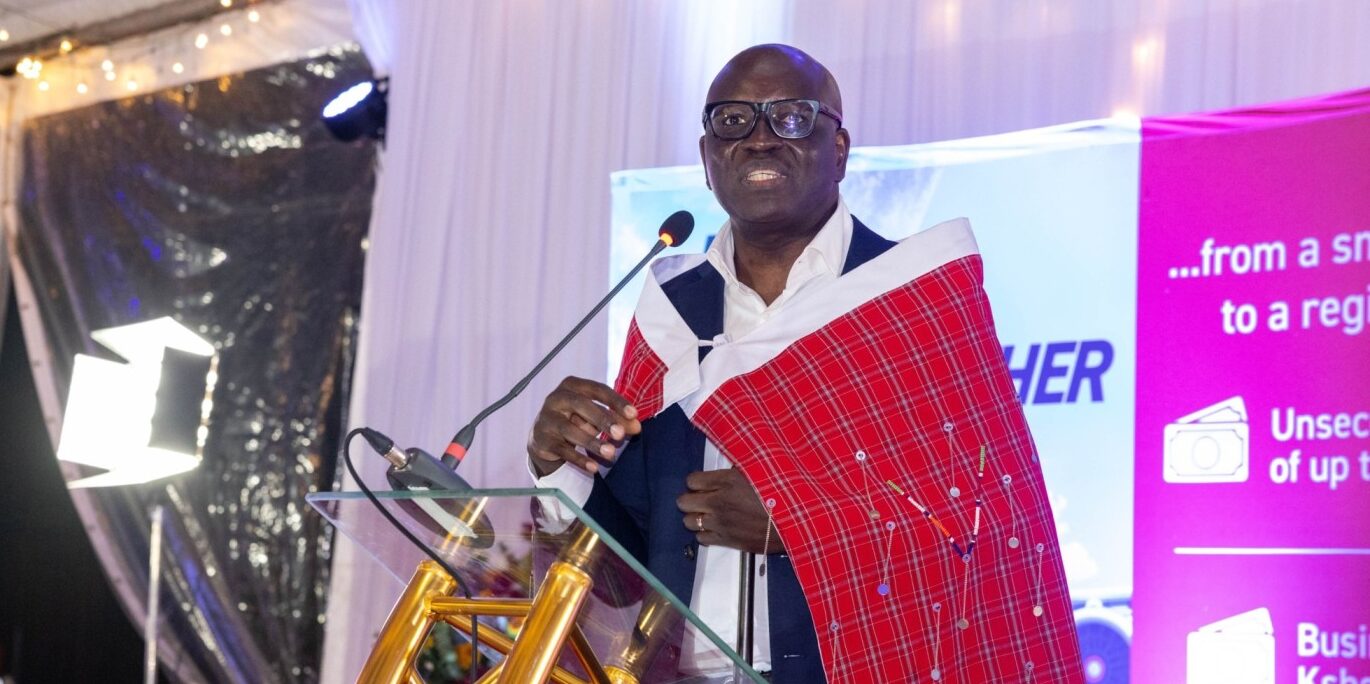
Stephen Mwaura Nduati. Photo/File
Today, Kenya is celebrated globally as the birthplace of mobile money, a country where millions can send, receive, save and invest money with a few taps on a mobile phone. But nearly two decades ago, the idea of moving money through a mobile handset was met with deep skepticism.
At the centre of one of Kenya’s most transformative financial decisions was Stephen Mwaura Nduati, the former Director of National Payments Systems at the Central Bank of Kenya. While M-Pesa would go on to become a global success story, Nduati was among the regulators who saw its potential long before the rest of the world did.
“When the question came, can you authorize mobile to transfer money, very few people in the Central Bank would say yes,” Nduati recalled “But for me, I said, if it meets the safety standards, why not?” Nduati said speaking to Newslightkenya
That decision would help change the course of financial inclusion in Kenya and inspire mobile money systems across Africa and beyond.
For Nduati, the argument was never complicated. Trained as an engineer before later studying finance and law, he viewed payments through two lenses: safety and efficiency. He believed mobile networks already possessed the technological reliability needed to move money securely.
“The first thing mobile money did, which people in Kenya don’t appreciate, is that we move money safely,” he says. “We ride on the rails of a mobile, and the mobile rails are extremely safe.”
The efficiency gains were equally compelling. Before mobile money, sending funds to relatives in rural Kenya often meant entrusting cash to bus drivers, couriers or acquaintances. Transfers could take days and there was no guarantee the money would arrive.
“What can be more efficient than sending money in seconds?” Nduati asked “You would leave your office, go to a courier, put money in an envelope and wait two or three days. Today, that money reaches instantly.”
Yet perhaps the most remarkable part of the story is that Kenya’s mobile money revolution began before the law was ready for it.
According to Nduati, when Safaricom approached regulators with the concept, there was no legal framework specifically governing mobile money. Rather than block the innovation, the Central Bank issued what became known globally as a “Letter of No Objection”, a regulatory approach that allowed the service to operate while policymakers developed a formal legal framework.
“We authorized this seven years before the law came into being,” he says. “The regulations came in 2014. We lived with that arrangement from 2007.”
The approach became an example of what regulators now call “proportionate regulation” or “light-touch regulation” allowing innovation to grow while managing risks.
The results have been profound. Before mobile money, Kenya’s financial inclusion rate stood at approximately 19 per cent. Today, access to financial services has risen to about 86 per cent, making Kenya one of the world’s leading examples of financial inclusion.
For Nduati, however, the success of mobile money extends beyond convenience. He argues that the real achievement lies in connecting ordinary Kenyans to economic opportunities.
He points to the vast network of more than 330,000 mobile money agents spread across the country, creating livelihoods while bringing financial services closer to communities that traditional banks could never reach.
His thinking also challenges the common perception that remittances are simply gifts or money for household consumption. Instead, he sees them as economic investments that enable families to farm, educate children, access healthcare and participate in productive.
Nearly twenty years after M-Pesa’s launch, Nduati remains a passionate advocate for financial inclusion. Even in retirement, he continues to work on expanding access to digital financial services, including exploring how savings and credit cooperatives can play a larger role in the payments ecosystem.
His influence has stretched far beyond Kenya’s borders. He has advised policymakers and regulators across East, West and Southern Africa, sharing lessons from Kenya’s mobile money journey and helping other countries build systems that connect people to financial services.
Looking back, Nduati’s story is not simply about technology. It is about a willingness to trust innovation when many others hesitated. It is about a regulator who chose possibility over caution and helped create the conditions for one of Africa’s most celebrated financial success stories.
The millions of Kenyans who send money home with a phone today may never know his name. Yet the decision he helped make continues to move money, create opportunities and transform lives across Kenya and around the world.