
Africa’s Battle Against Tuberculosis, Urgent Action Needed to Curb Rising Cases

Tuberculosis (TB) remains one of the world’s deadliest infectious diseases, with Africa bearing a significant portion of the global burden. The World Health Organization (WHO) reports that nearly 2.5 million people fell ill with TB in Africa in 2022, with approximately 424,000 deaths recorded.
Despite advancements in medical treatment, the disease continues to thrive in regions with limited healthcare access, delayed diagnosis, and persistent social stigma.
As the continent grapples with this public health crisis, medical institutions like St. George’s University (SGU) School of Medicine in Grenada, West Indies emphasize the critical role of prevention in combating TB. With timely detection, sustained public health initiatives, and strengthened healthcare systems, Africa has the potential to reverse the trend and move closer to TB eradication.
In 2023, WHO estimated that TB claimed approximately 1.25 million lives worldwide, with low- and middle-income countries disproportionately affected. Africa remains a hotspot, with Nigeria and the Democratic Republic of Congo (DRC) ranking among the eight nations that accounted for nearly two-thirds of global TB cases. Nigeria alone contributed 4.6% of new infections, while DRC accounted for 3.1%.
The persistence of TB is fueled by poverty, malnutrition, and inadequate healthcare infrastructure. Delayed diagnosis and treatment gaps allow the disease to spread unchecked, while the emergence of multidrug-resistant TB (MDR-TB) and extensively drug-resistant TB (XDR-TB) further complicates control efforts. These strains, resistant to standard medications, pose a growing threat to global health security.
Key Strategies to Combat TB
Early Screening and Regular Testing
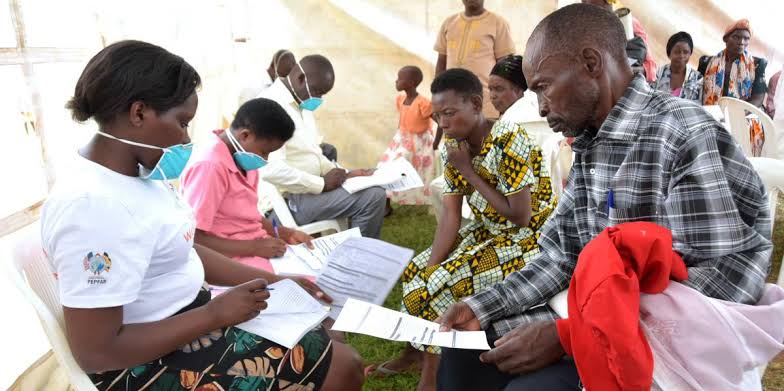
Widespread TB screening, particularly among high-risk groups such as people with HIV, healthcare workers, and individuals with previous TB exposure, is crucial. Mass screening programs can facilitate early detection and curb transmission rates.
Strengthening Immunization
The Bacillus Calmette-Guérin (BCG) vaccine) remains a critical tool in preventing severe TB in children. While it does not provide complete immunity, universal BCG vaccination is essential in high-burden countries. Ongoing research into more effective vaccines must also be prioritized.
Improving Living Conditions and Nutrition
Malnutrition weakens immunity, making individuals more vulnerable to TB. Addressing food insecurity, poor sanitation, and overcrowded living conditions can significantly reduce TB transmission.
Community Awareness and Engagement
Public education campaigns play a pivotal role in reducing TB stigma and encouraging early medical intervention. Community-based initiatives, where local leaders and healthcare workers collaborate, have proven effective in raising awareness and improving treatment adherence.
Strengthening Infection Control in Healthcare Settings
Hospitals and clinics must enforce strict infection control measures, including proper ventilation, use of protective masks, and patient isolation protocols, to prevent TB outbreaks within healthcare facilities.
The Road Ahead: A Call for Stronger Commitment
To eliminate TB as a public health threat, governments must:
✔ Invest in healthcare infrastructure to expand diagnostic and treatment access.
✔ Tackle socio-economic factors such as poverty and malnutrition that fuel TB transmission.
✔ Foster global partnerships to accelerate research on new TB vaccines and medications.
✔ Integrate TB control efforts into broader healthcare policies.
As part of the global effort, St. George’s University (SGU) School of Medicine is committed to training future healthcare professionals to tackle diseases like TB. By equipping students with the knowledge and skills to work in high-burden areas, SGU is playing a vital role in strengthening the global fight against TB.
While the battle against TB is far from over, sustained efforts, innovation, and global collaboration can pave the way for a TB-free future.
For more information on medical programs at SGU, visit SGU’s website.