
COMESA Attracts 67% of Africa’s FDI as Inflows Hit $65 Billion
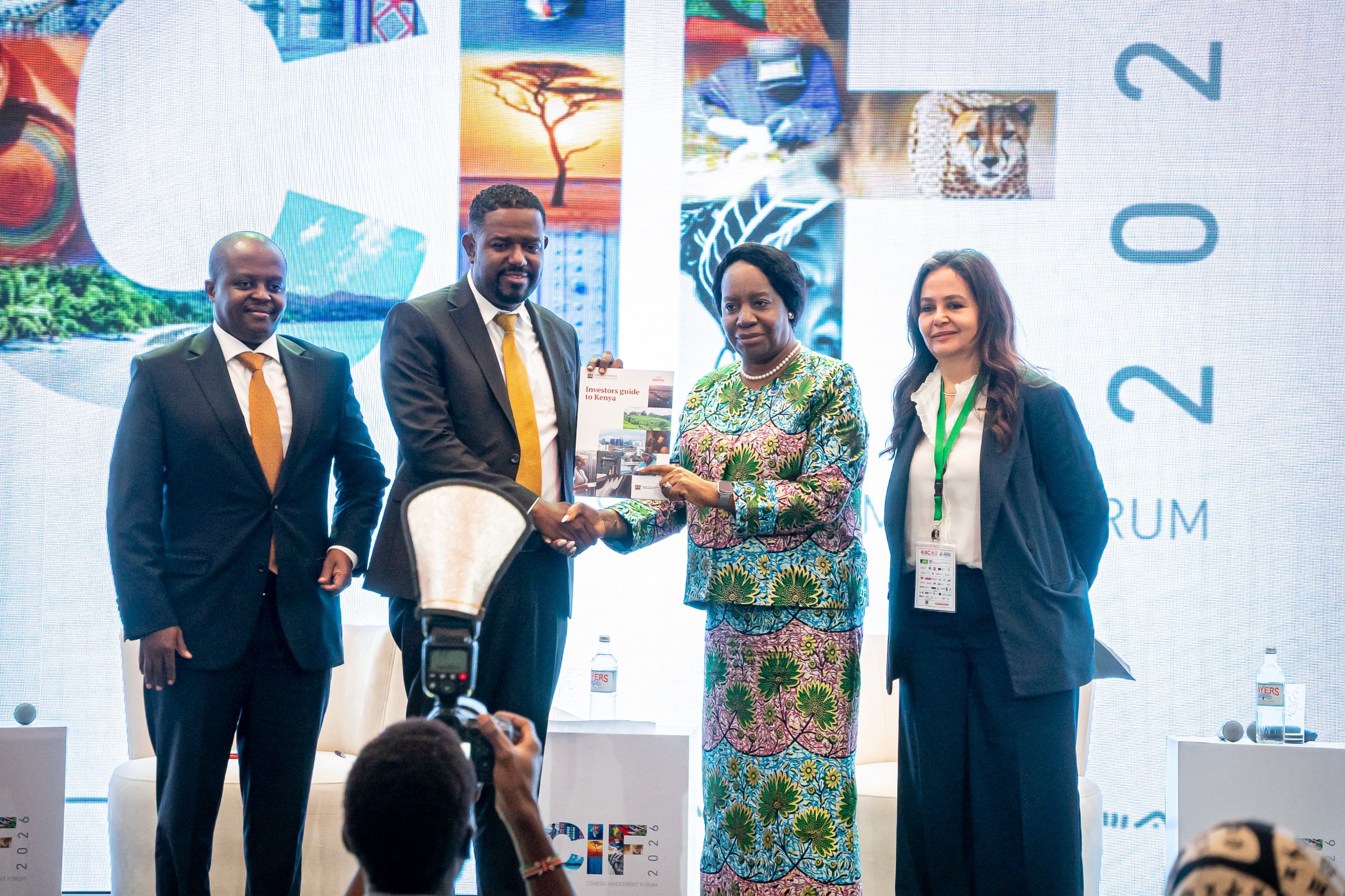
Left to Right: John Mwendwa (Invest Kenya CEO), PS Abubakar Hassan Abubakar (PS Investment Promotion), Chileshe Kapwepwe (SG COMESA), and Heba Salama( CEO COMESA) Launching the COMESA Interactive Investment Map at the 2nd CIF 2026.
Nairobi, Kenya | March 26, 2026— The Common Market for Eastern and Southern Africa (COMESA) is rapidly strengthening its position as a leading investment destination, now accounting for approximately 67% of all foreign direct investment (FDI) flows into Africa. This milestone was highlighted by leaders at the second COMESA Investment Forum 2026, held alongside the Kenya International Investment Conference 2026 in Nairobi.
Speaking at the forum’s opening, Heba Salama, CEO of COMESA’s Regional Investment Agency (RIA), revealed that FDI inflows into COMESA member states surged by 154% in 2024 to reach a historic USD 65 billion, despite ongoing global economic pressures.
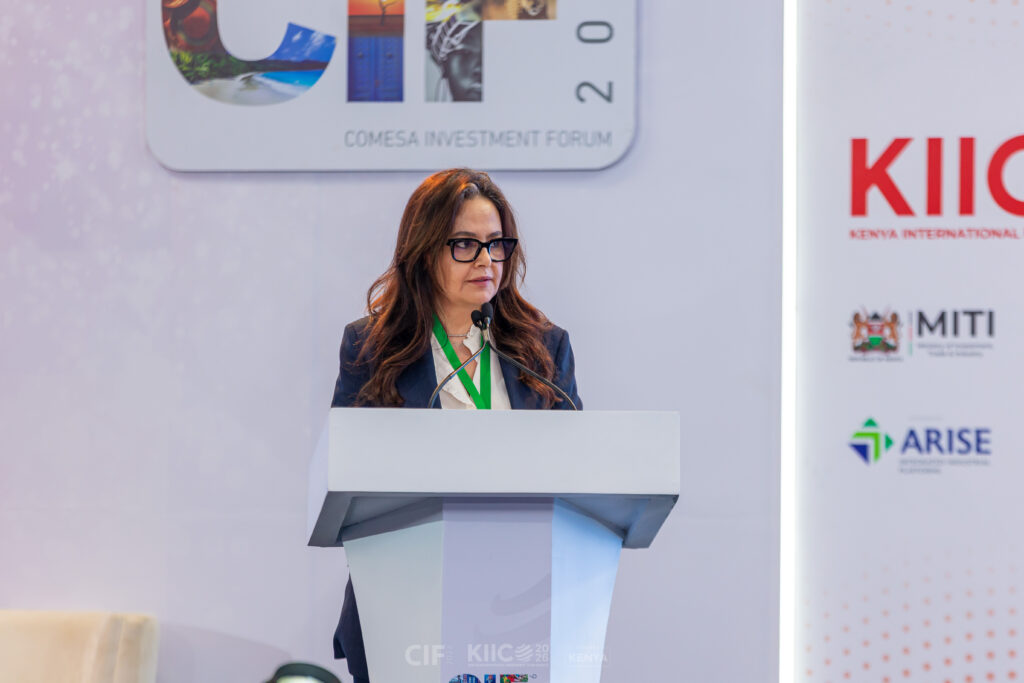
She attributed the growth to rising investor confidence and the rollout of large-scale catalytic projects across the region.
COMESA’s global FDI share doubled from 2% to 4%, while its share of flows to developing economies rose from 3% to 7%, reinforcing its dominance on the continent. Project finance also nearly doubled to USD 79 billion, with greenfield investments remaining strong at over USD 77 billion.
Sector trends show a shift in investor priorities, with construction leading growth after a nearly fivefold increase. Energy and gas investments rose by 22%, while renewable energy recorded a 67% jump. Social sectors are also expanding, with health and education investments growing by 130%. However, declines were recorded in food and agriculture, water and sanitation, and transport, pointing to areas requiring targeted policy action and increased investor engagement.
During the conference, Kenya announced 20 signed deals worth over US$2.9 billion across sectors including agriculture, mining, manufacturing, healthcare, ICT, real estate, and energy. Two key investment facilitation tools were also launched: the Investor’s Guide to Kenya, offering insights into the country’s investment landscape, and the COMESA Investment Map, a digital platform showcasing bankable projects across member states.
Addressing delegates, PS Abubakar Hassan emphasized that unlocking the region’s full potential will require structural reforms.
He called for the removal of non-tariff barriers, harmonization of standards, streamlined customs processes, and alignment of regulatory frameworks to enable seamless cross-border investment.
John Mwendwa, who convened the forum under KIICO 2026, underscored the shift toward regional investment promotion. He noted that COMESA’s 600 million-strong market presents a compelling opportunity, driven by diverse strengths ranging from fintech innovation in Kenya to mineral resources in Zambia and manufacturing capacity in Egypt.
Salama reiterated that sustaining investment momentum will depend on strengthening value-added sectors, expanding digital infrastructure, and investing in human capital through education, skills development, and healthcare. These priorities align with COMESA’s 2026–2030 strategy focused on deeper economic integration and sustainable investment.
COMESA’s 21 member states, including Burundi, Egypt, Ethiopia, Kenya, Uganda, and Zambia, have a combined GDP exceeding $1 trillion, positioning the bloc as one of Africa’s largest economic hubs with significant investment potential.