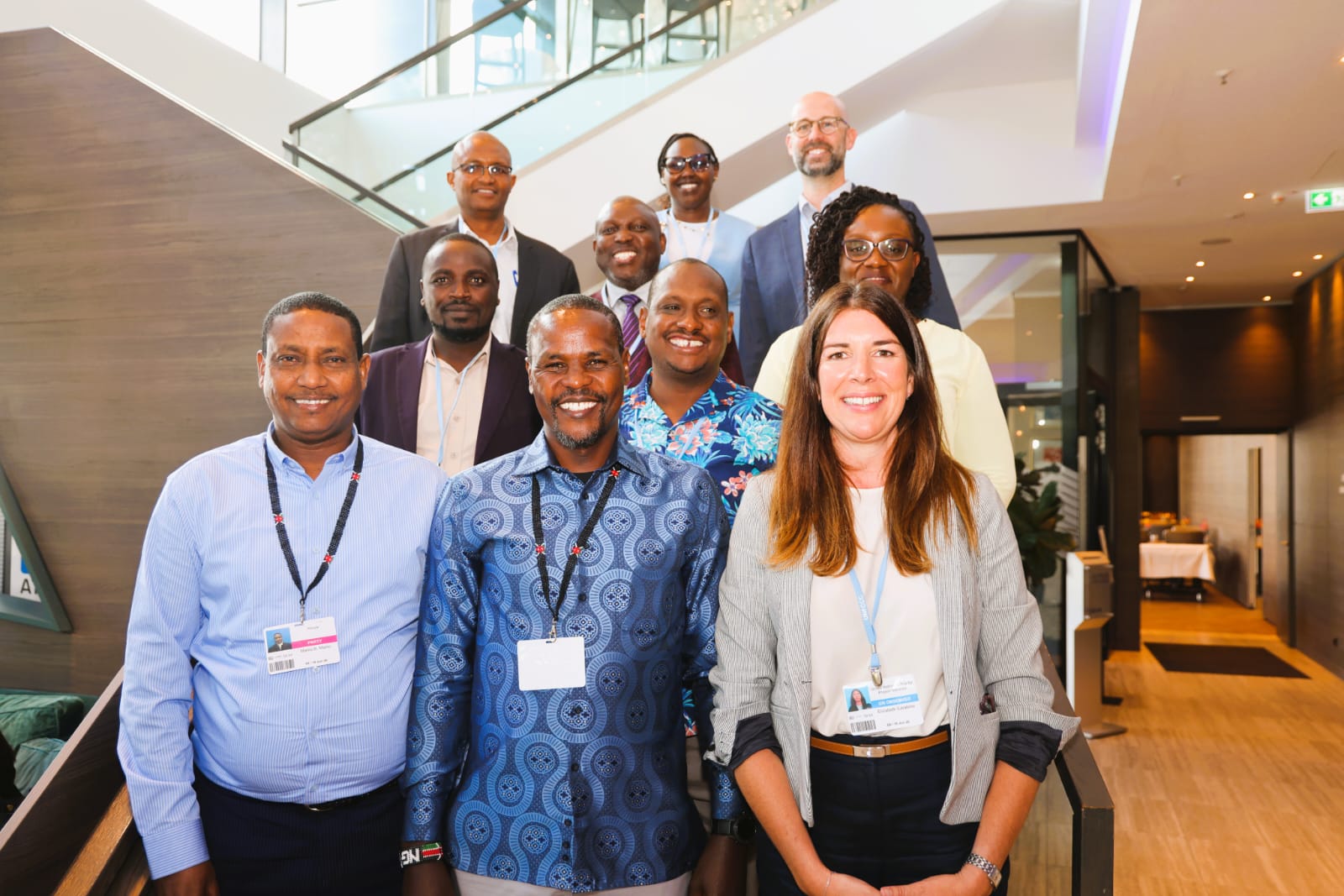

Experts call for better use of data to address climate mobility and disaster risks in East Africa
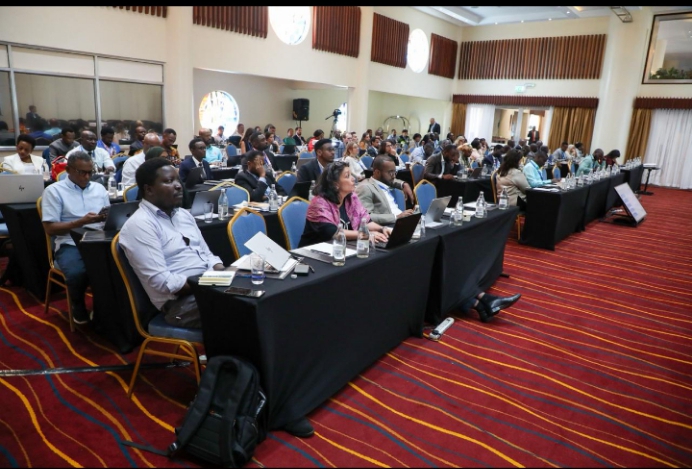
Stakeholders at the Regional symposium on Climate mobility held in Nairobi on March 26, 2026
Experts have underscored the urgent need to strengthen the use of data and regional collaboration to address the growing challenges of climate change, displacement and disaster risks across East Africa.
The call emerged during a symposium organised by the International Organization for Migration Innovation Lab that brought together researchers, government institutions, humanitarian agencies and development partners to discuss how data can better inform responses to climate mobility and disaster risks in the region.
Speaking during the forum, Mohamed Hussein, Director of Resilience and Recovery at Somali Disaster management Authority (SoDMA), said the initiative is bringing together experts from countries including Somalia, Uganda and Kenya to exchange knowledge and resources on how climate change and mobility are affecting communities across borders.
“This lab is bringing together knowledge, research institutions, government agencies, the UN system and both international and local organisations to discuss climate mobility, displacement and how we can collaborate as a region,” he said.
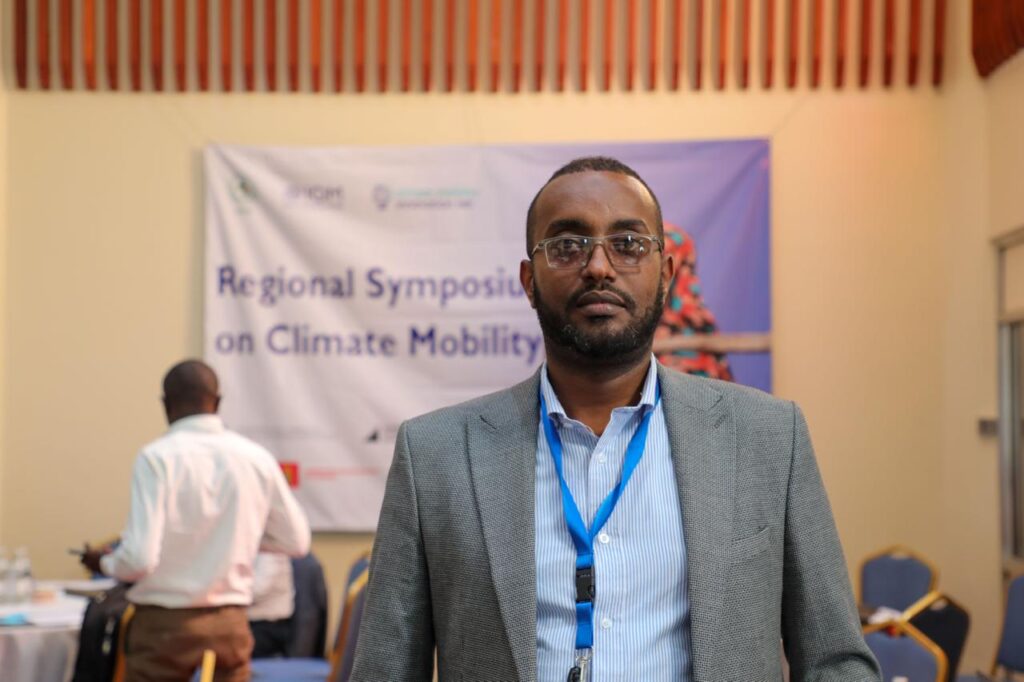
Mohamed noted that while significant data already exists on climate change and displacement, the challenge remains that much of it is fragmented across institutions, making it difficult to fully utilise in decision-making.
“There is a lot of data available, but the problem is that it is fragmented. What we are trying to do is integrate the data and make it more useful for decision-makers and communities,” he said.
He added that Somalia continues to face multiple challenges including drought, floods and conflict, which have contributed to displacement and humanitarian crises over the years.
Through collaboration with organisations such as the Intergovernmental Authority on Development Climate Prediction and Applications Centre and the International Organization for Migration, the initiative aims to generate more coordinated responses to climate mobility in the region.
Muhammad also highlighted the importance of tools such as the Displacement Tracking Matrix used to monitor population movements and provide timely information during emergencies.
Meanwhile, Marco Massabo, an expert working with the United Nations Office for Disaster Risk Reduction regional office for Africa, emphasized that risk data plays a critical role in understanding and addressing climate-related disasters.
“If we want to solve a problem, we first need to understand it,” he said, noting that risk data helps identify the root causes of disasters and guides decisions on how best to reduce their impact.
According to Massabo, effective risk analysis considers not only climate patterns but also factors such as urban development, infrastructure, population growth and the vulnerability of communities.
Using Nairobi as an example, he pointed to the increasing frequency of floods in recent years, noting that both climate change and rapid urban expansion are contributing to rising risks.
He said risk data can help authorities determine whether to invest more in flood protection infrastructure, relocation of vulnerable communities or a combination of both.
However, Massabo acknowledged that while more accurate data is always valuable, governments and institutions should also focus on using the information already available.
“We already have enough knowledge to start acting. The real challenge is translating that information into action and ensuring that people receive timely warnings that allow them to respond,” he said.
He further stressed the importance of public awareness and communication, noting that many lives could be saved if communities receive clear warnings and understand how to respond during disasters such as flash floods.
The experts said strengthening data sharing, improving early warning systems and enhancing collaboration between governments, researchers and humanitarian agencies will be key in helping countries across East Africa better prepare for the growing impacts of climate change.