
As Floods Intensify, East African Leaders Seek Solutions to Climate-Driven Migration
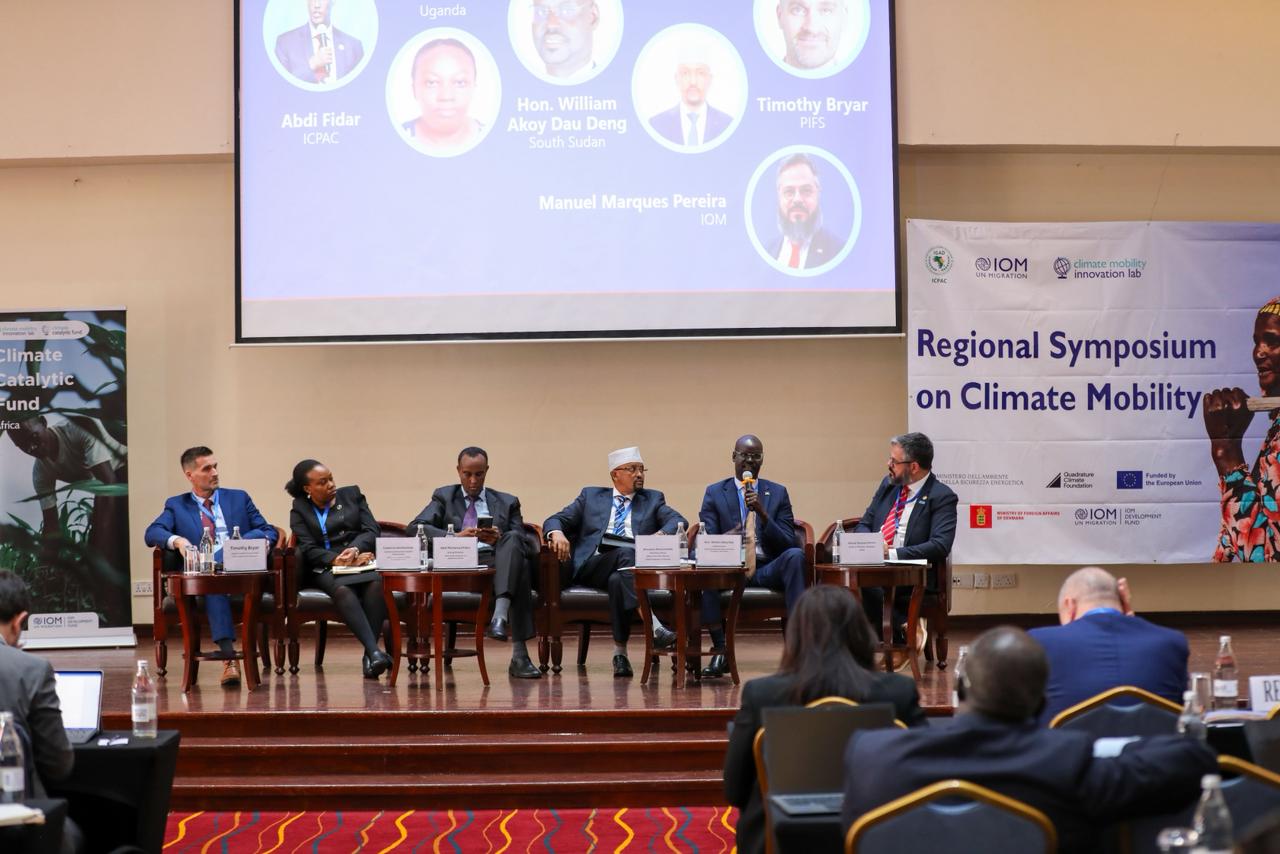
Stakeholders during a panel discussion during the IOM Regional Symposium on Climate Mobility at Moven pick hotel in Nairobi from March 24-26, 2026
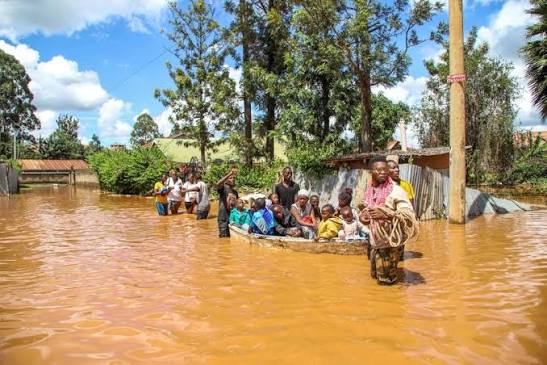
Climate change is rapidly emerging as one of the biggest drivers of displacement across East Africa, forcing thousands of families to abandon their homes as floods, drought and environmental degradation intensify across the region.
The growing crisis was the focus of discussions at the Regional Symposium on Climate Mobility held in Nairobi on Tuesday, which brought together government officials, climate experts, humanitarian organisations and youth innovators from several African countries to examine how climate change is reshaping migration and livelihoods.
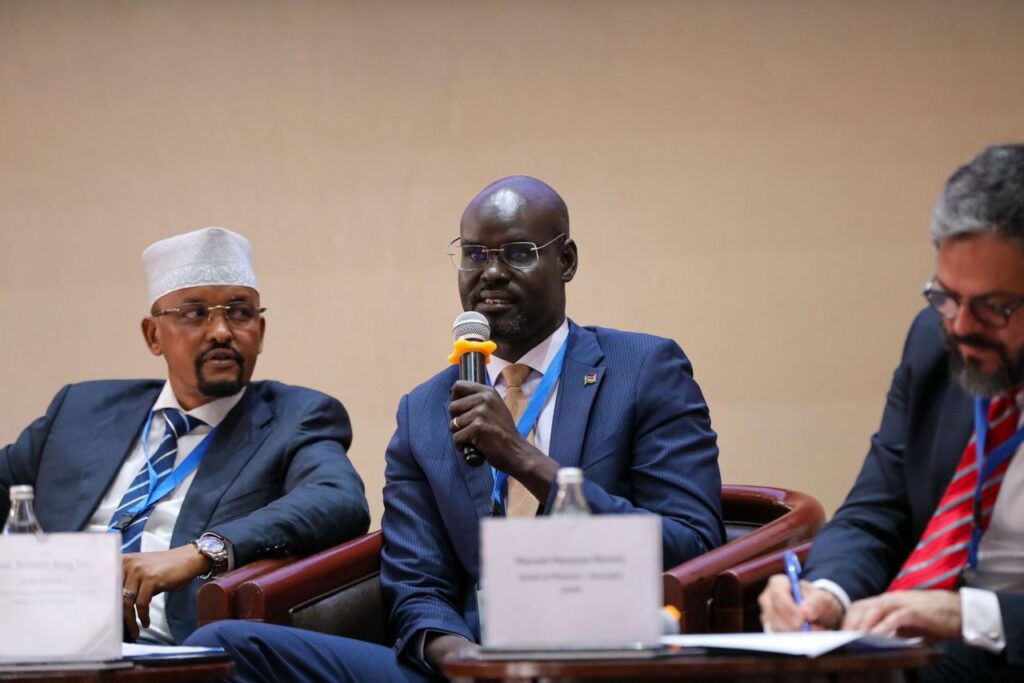
The three day forum hosted by IOM’s Climate Mobility Innovation Lab brought together representatives from countries across the Horn of Africa and the East African region, including Kenya, Uganda, Somalia and South Sudan, an area that has in recent years faced recurring floods, prolonged droughts and large-scale displacement linked to climate change.
Officials from South Sudan said climate-related disasters have already disrupted the lives of thousands of communities, particularly those living along the Nile and in flood-prone areas.
William Akoy, Undesecretary in the Ministry of Humanitarian Affairs and Disaster Management in South Sudan, said floods have become more frequent in recent years, forcing many communities to move in search of safer ground.
“The challenges that come with displaced people are so immense that we need to look into solutions to reduce these issues of displacement,” Akoy said.
He said the government is working with development partners and humanitarian organisations to help displaced families relocate to safer areas and rebuild their lives.
“We encourage people to move to areas that are not affected by flooding so that they can settle and receive services such as healthcare, education and support for farming,” he said.
South Sudan’s Undersecretary in the Ministry of Water Resources and Irrigation, Hon Sultan Tungwar , warned that the scale of the climate crisis is growing rapidly, with extreme weather patterns disrupting agriculture and food production across many parts of Africa.
“Climate change is real and it will keep coming. As much as we might neglect it, it is not the case. It has to be taken seriously,” Tungwar said.
He noted that repeated flooding has submerged large areas of farmland in parts of South Sudan, making it difficult for communities to produce food or maintain stable livelihoods.
“There is no food production because the land has been flooded and people are displaced. Many communities now depend on food aid,” he said.
Beyond government responses, participants at the forum highlighted the growing role of youth-led innovation in tackling the climate crisis and helping vulnerable communities adapt.
Rose Kobusinge, a youth changemaker working with the International Organization for Migration and founder of the Vital Cress Foundation in Uganda, said young Africans are increasingly developing practical solutions to support communities affected by climate change.
“When you think about innovation and climate, you cannot think about it without youth because African young people are the powerhouse of this continent,” she said.
Her organisation works with displaced communities in Uganda, particularly families forced to leave their homes due to flooding, to introduce climate-smart agriculture and renewable energy solutions that help them rebuild livelihoods.
These initiatives include solar-powered energy systems for cooking and electricity as well as climate-resilient farming practices that allow communities to grow food even in difficult environmental conditions.
“If we can use the power of the sun to provide clean cooking and electricity, we are heading to a future that is not only innovative but safe and dignified for African communities,” Kobusinge said.
Experts at the symposium agreed that addressing climate-driven displacement will require stronger cooperation between governments, humanitarian agencies and local communities.
They also emphasized the need for better data, early warning systems and long-term investments in climate resilience to help vulnerable communities adapt before disasters force them to move.
For many countries across East Africa, participants said, the challenge is no longer whether climate change will affect communities but how quickly governments and partners can respond to protect lives and livelihoods.