
Global Health Groups Condemn New US Foreign Aid Rules as ‘Ideological’ and Harmful to Vulnerable Communities
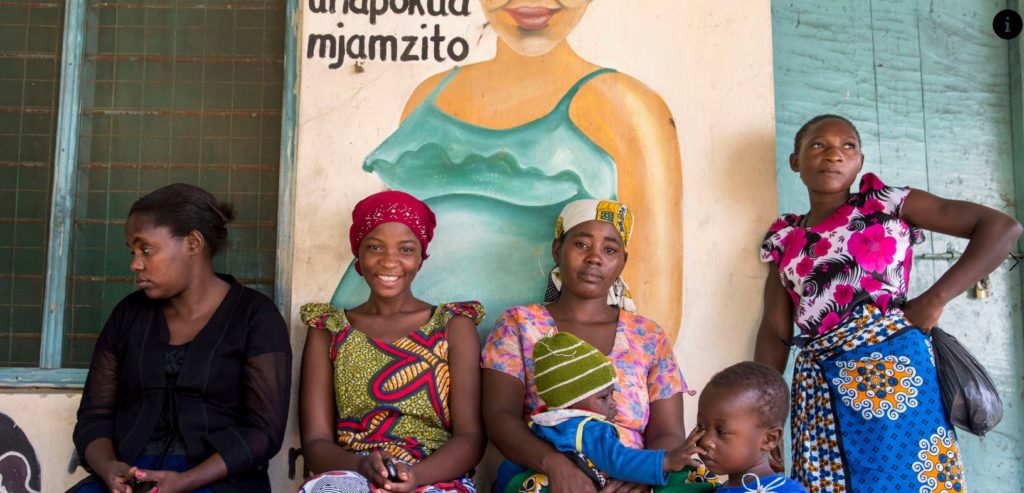
Kenyan women at a family planning clinic.
Global health and human rights organisations have strongly criticised a new United States foreign aid policy that bars most aid recipients from performing or promoting abortion, “gender ideology,” or diversity, equity and inclusion (DEI) activities, warning it will have devastating consequences for health systems and vulnerable populations worldwide.
The policy, themed Promoting Human Flourishing in Foreign Assistance (PHFFA), was announced last Friday by US Vice-President JD Vance at an anti-abortion event and formally published in the Federal Register on Tuesday. The rules apply to all foreign and US non-governmental organisations, international organisations, and potentially governments, with the exception of military assistance.
Under the new framework, aid recipients must comply with three regulations: Protecting Life in Foreign Assistance, Combating Gender Ideology in Foreign Assistance, and Combating Discriminatory Equity Ideology in Foreign Assistance. In countries where abortion is legal, governments and parastatals will be required to place US funds in segregated accounts to ensure they are not used for abortion-related services, while some may also be compelled to formally renounce activities linked to gender identity or DEI.
The US State Department defines “gender ideology” broadly to include support for gender-affirming healthcare, social transition counselling, the use of inclusive language on gender, advocacy on gender identity issues, and even support for drag performances or workshops.
Aid recipients must also agree to unannounced inspections by US officials, including access to documents, programmes, and beneficiaries a provision that has raised serious concerns about sovereignty, privacy, and abuse of power.
‘Catastrophic expansion’ of the Global Gag Rule
Health advocates say the policy represents the most extreme expansion yet of the Global Gag Rule, first introduced in 1984 to block US global health funds from supporting abortion-related services. Unlike previous versions, the PHFFA extends the restrictions to all non-military aid, including humanitarian assistance, and applies them to US NGOs, international organisations, and governments.
“Bullying countries into complying with anti-rights and extremist ideology is despicable and unacceptable,” said Anu Kumar, CEO of reproductive justice organisation Ipas. She described the move as a clear attempt to export US culture wars through foreign assistance.
Ipas estimates that between $30 billion and $47 billion in aid is now affected, a shift that researchers warn will disproportionately harm women, young people, girls, and LGBTQI+ communities.
Kenya and Africa at risk
The policy is already having far-reaching implications in Africa. The US has signed bilateral Memorandums of Understanding (MOUs) with 15 African countries under its America First Global Health Strategy, all of which require compliance with the Global Gag Rule.
In Kenya, Ipas country director Dr Musoba Kitui said the MOUs have become a “Trojan horse,” binding governments to expanded ideological conditions after signing. He noted that the shutdown of USAID has already led to the loss of 40,000 health jobs, severely weakening the health system.
Kitui warned that enforcing the MOU would require access to patient records, raising serious privacy concerns. The agreement, he added, grants US personnel diplomatic immunity, shielding them from local legal accountability a provision that has already been challenged in court.
“Sexual and reproductive health is not a diplomatic bargaining chip. It’s a fundamental human right,” Kitui said, calling for the protection of gains made in countries like Kenya.
Humanitarian aid and survivors of violence affected
Humanitarian organizations report that the new rules are crippling services for survivors of gender-based violence, especially in conflict zones.
In South Sudan and the Democratic Republic of Congo (DRC), organizations have run out of rape kits and emergency contraception following the collapse of USAID funding. Jean-Claude Mulunda of Ipas DRC said survivors are now being denied essential care, even in countries where abortion is legally permitted in cases of rape under the Maputo Protocol.
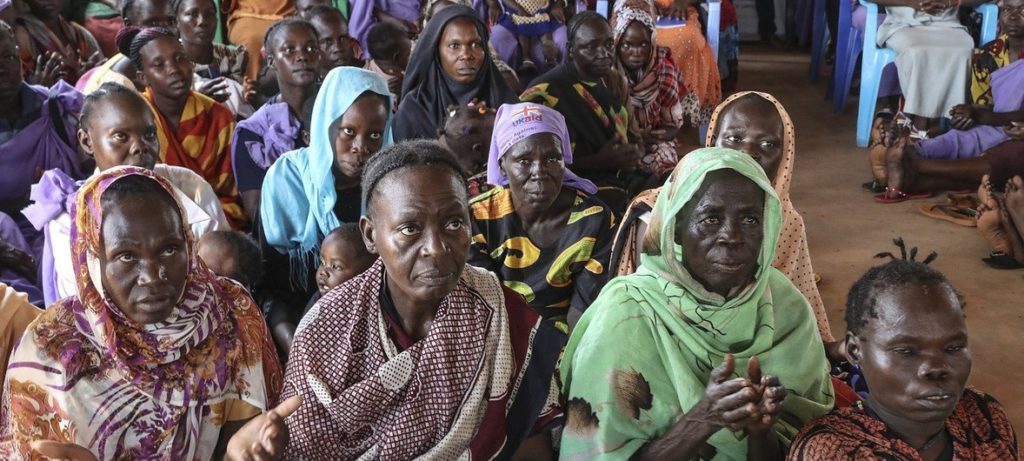
Médecins Sans Frontières (MSF) warned that the policy will increase unsafe abortions in humanitarian settings, where access to care is already limited. In 2023 alone, MSF provided over 31,000 post-abortion care consultations, most related to unsafe procedures — numbers the organisation expects to rise further.
“The PHFFA escalates a long-standing pattern of subordinating science and patient needs to ideology,” MSF said, adding that the broad definitions of “gender ideology” and “discriminatory equity ideology” will likely restrict access to essential care for marginalised groups.
‘Abdication of basic human decency’
Reproductive rights advocates and lawmakers have described the policy as a moral failure.
“People are already dying because of the slashing of foreign assistance,” said Rachana Desai Martin of the Center for Reproductive Rights. “This isn’t about saving lives it’s a stunning abdication of basic human decency.”
The International Planned Parenthood Federation (IPPF) said the policy amounts to a new form of imperialism that undermines national sovereignty, while the Dutch organisation Rutgers reported that more than 45 million women and girls have already lost access to contraceptive services following the dismantling of USAID.
US Senate Foreign Relations Democrats also condemned the move, warning that it will weaken global disease response systems, worsen humanitarian crises, and ultimately leave Americans more vulnerable to cross-border health threats.
As the policy takes effect, global health experts warn that lifesaving aid is increasingly being transformed into a political tool with the world’s most vulnerable paying the price.