
CJ Koome: Constitution Remains Kenya’s Transformative Governance Blueprint
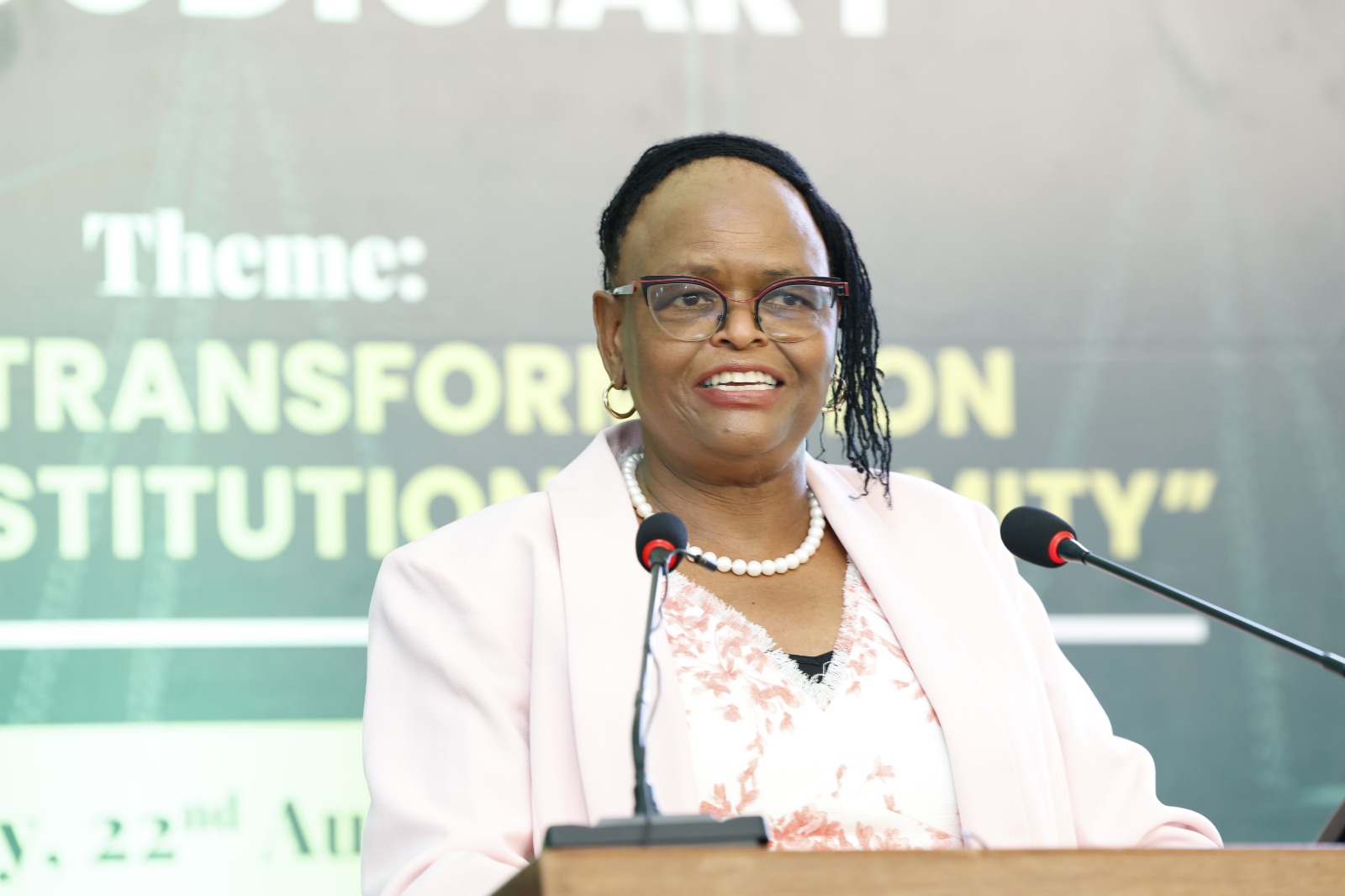
Nairobi, Kenya – August 27, 2025 — Chief Justice Martha Koome has hailed the Constitution of Kenya, 2010, as a transformative framework that continues to shape governance, strengthen human rights, and enhance accountability in the country.
Speaking during the 15th anniversary of the Constitution, at a Katiba Day event organized by the Nation Media Group, the CJ said the 2010 charter marked a historic shift for Kenya’s Judiciary by entrenching independence, reimagining accountability, and expanding access to justice.
“Fifteen years later, we can look back with pride at the distance we have travelled, while reflecting on persistent challenges that still hinder the full realization of the Constitution’s promise,” she said.
CJ Koome traced the Judiciary’s reform journey through three key frameworks: the Judiciary Transformation Framework (JTF) under former CJ Willy Mutunga, Sustaining Judiciary Transformation (SJT) under former CJ David Maraga, and the ongoing Social Transformation through Access to Justice (STAJ) strategy, which will guide reforms up to 2033.
She underscored judicial independence as the greatest achievement, citing landmark decisions that have reinforced constitutionalism. These include the Supreme Court’s ruling in the Building Bridges Initiative (BBI) case, which upheld the sovereignty of the people; housing rights decisions in the Mitu-Bell and Musembi cases; the 2023 judgment upholding freedom of association for LGBTQ+ persons; and the Muruatetu ruling that declared the mandatory death penalty unconstitutional.
Beyond jurisprudence, Koome highlighted infrastructure expansion, with High Court stations now present in all 47 counties, as well as digitisation efforts. The nationwide rollout of e-filing, virtual hearings, and AI-powered transcription tools, she noted, had modernized service delivery, improved transparency, and reduced case delays.
“Litigants can now file cases, pay fees, and attend hearings virtually. These innovations have transformed the delivery of judicial services,” she said.
Despite these milestones, Koome pointed to challenges including underfunding, case backlogs, and threats to judicial independence such as online harassment and misinformation campaigns. She urged Kenyans to pursue lawful avenues for critiquing court decisions, warning against digital intimidation of judges.
The CJ called for enhanced budgetary support, lamenting that the Judiciary still receives less than one percent of the national budget despite its critical mandate. She reaffirmed the Judiciary’s commitment to uphold the rule of law: “We will continue to administer justice without fear or favour, check abuses of power, and defend the rights of all Kenyans.”
Chief Registrar of the Judiciary Winfridah Mokaya echoed her remarks, stressing that the Judiciary’s role remains to patrol the boundaries of the Constitution and safeguard the aspirations of the Kenyan people.