

East Africa Rallies Behind Blue Economy Revival with Launch of Kilindini Campaign
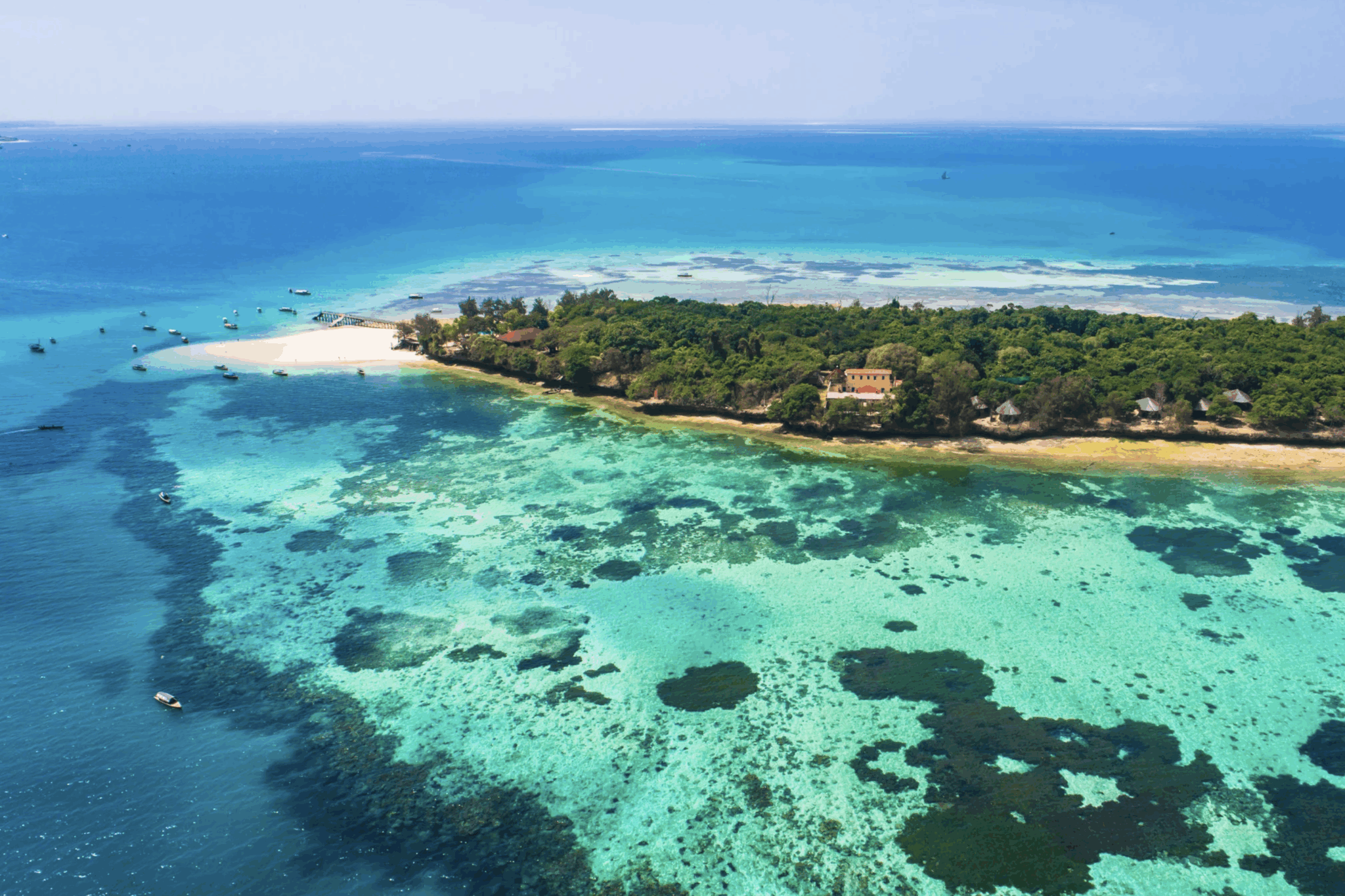
As East Africa accelerates efforts to revive its blue economy, ocean conservation and protection have emerged as critical pillars in safeguarding the region’s marine wealth. Anchored by its rich marine biodiversity, the coastal belt plays a vital role in supporting key economic sectors such as fishing and tourism.
However, despite this natural advantage, the East African coast grapples with numerous challenges including overfishing, ocean pollution, inadequate security, and illegal fishing that threaten its marine ecosystems.
In response, a range of mitigation strategies are being rolled out, with the recently launched Kilindini Campaign spearheading a new wave of coastal conservation.
Led by Ascending Africa, the Kilindini Campaign is rallying regional and international stakeholders towards sustainable ocean management.
Ascending Africa is a Pan-African initiative committed to fostering sustainable development across the continent, focusing on environmental preservation, community empowerment, and economic growth. Through campaigns like Kilindini, Ascending Africa aims to bring together partners to make a positive change concerning natural resources and promote sustainability.
According to campaign spokesperson Tendai Mtana, the initiative aims to restore marine life by addressing pressing threats and enhancing protection efforts through community participation, research, and innovative solutions.
“We have a responsibility to curb these challenges and restore marine life,” said Mtana. “Ocean conservation and protection is about safeguarding biodiversity through Marine Protected Areas (MPAs), community-led initiatives, and scientific research.”
MPAs, which have been established across Kenya, Tanzania, and Zanzibar, serve as crucial zones for marine biodiversity conservation, habitat protection, and sustainable resource management.
In Kenya, these include renowned sites such as Mombasa Marine Park, Watamu Marine National Park, and Kisite Mpunguti Marine National Park, among others. Tanzania’s portfolio features areas like Mnazi Bay Ruvuma Estuary Marine Park, Tanga Coelacanth Marine Park, and island ecosystems in Zanzibar including Mnemba and Chumbe Islands.Mtana emphasized the importance of community involvement in the campaign.
“When communities are engaged in planning and managing conservation projects, not only do we protect marine ecosystems, but we also uplift local livelihoods through sustainable fishing and eco-tourism,” he noted.
Tanzania’s Marine Parks and Reserves Act mandates the creation of Village Liaison Committees (VLCs), promoting local representation in marine conservation. Similarly, Kenya’s Community Conserved Areas (CCAs) have empowered local residents to safeguard traditional fishing grounds, resulting in healthier coral reefs and more sustainable fishing practices.
Research, Mtana added, remains a cornerstone of the conservation effort. It informs policy, supports sustainable practices, and builds capacity among stakeholders to manage marine resources effectively.
The Kilindini Campaign’s strategy includes implementing fishing quotas, seasonal bans, and community-led conservation initiatives. These actions aim to rebuild fish stocks, enhance ecosystem resilience, and protect the livelihoods of coastal communities.
“With collective action and innovative solutions, we can secure a thriving ocean for future generations,” Mtana said.
“The success of the Kilindini Campaign will depend not only on policy, but on shared commitment from governments, communities, and every individual whose life is tied to the sea.”
As the region looks to the future, the Kilindini Campaign stands as a testament to the power of collaboration in advancing East Africa’s blue economy ensuring that its marine treasures are not only protected, but sustained for generations to come.