
Global PLHIV Leaders Rally to Safeguard HIV Response Amid Global Funding Cuts
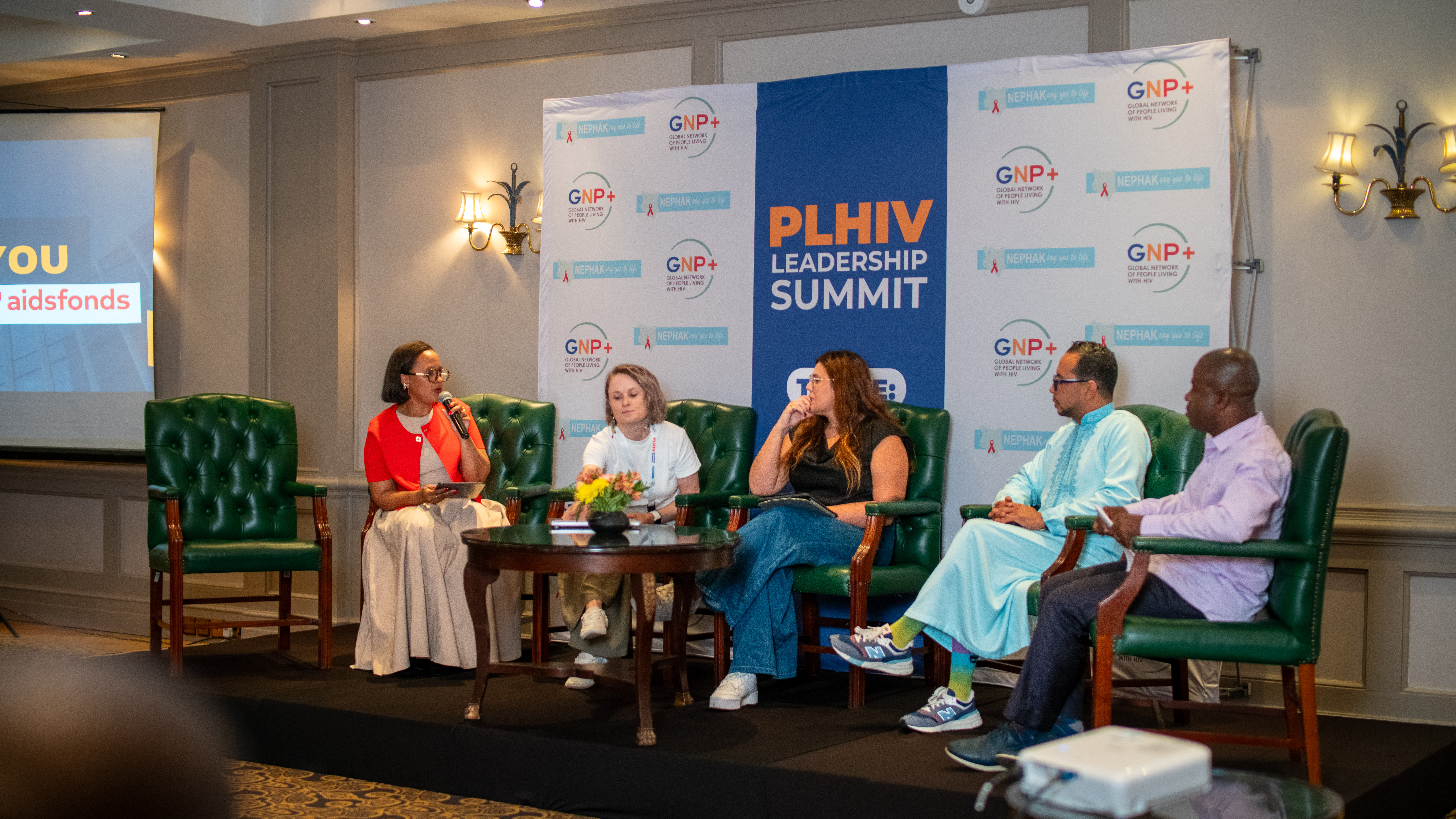
In a critical show of unity, over 30 leaders from networks of people living with HIV (PLHIV) across the world gathered under the Global Network of People Living with HIV (GNP+) for the PLHIV Leadership Summit 2025.
The summit aimed to bolster global and national advocacy efforts in securing continued access to treatment, sustaining quality of life, and ensuring the HIV response remains resilient amid shifting global priorities and alarming funding cuts.
The summit comes at a pivotal moment for the global HIV movement. According to 2023 data, 9 million people living with HIV still lack access to life-saving antiretroviral treatment, while 630,000 people died from AIDS-related causes stark indicators that the global response is veering off track.Participants expressed deep concern over recent developments, including the cancellation of the U.S. President’s Emergency Plan for AIDS Relief (PEPFAR) and USAID contracts, which have triggered monthly HIV funding reductions totaling $567 million—down to just $28 million in early 2025.
This financial shortfall has severely impacted community health systems, created workforce shortages, and halted services in PEPFAR-funded clinics, undoing years of hard-won progress.
“The HIV movement is at a crossroads,” said Jolijn van Haaren of the Dutch Ministry of Foreign Affairs. “We need to integrate HIV into primary healthcare systems and use sustainable roadmaps as our anchor in a chaotic global health landscape.”
The summit served as a platform to shape collective priorities that will inform national HIV response sustainability roadmaps, the next Global AIDS Strategy (2026–2031), and the 2026 UN High-Level Meeting on HIV and AIDS. In the face of dwindling resources, PLHIV leaders underscored the urgency of collaborative, locally led responses that can secure long-term gains.
“Governments have the mechanisms to lead sustainable change,” said Dr. Nduku Kilonzo of Yemaya Health Advisory. “We must redesign the HIV response to work within government systems, supported by strategic investments in data, laboratories, community health, and supply chains.”
GNP+ Co-Director Florence Anam echoed the call for action: “The lives of more than 40 million people living with HIV are not just statistics. It’s time for a reimagined response one that ensures not only survival but dignity and thriving for every person. ‘Undetectable = Untransmittable’ is a powerful reminder of what’s possible with access to treatment.”
Amid global instability, the summit sent a strong message of solidarity and resilience. PLHIV networks resolved to work with national governments, UNAIDS, WHO, and other global partners to secure domestic resources, integrate services into primary care, and embed accountability measures that protect the future of the HIV response.
As the world edges closer to the 2030 goal of ending AIDS as a public health threat, leaders at the summit emphasized that the time to act decisively is now.
Their united front signals hope that, despite financial and political challenges, the fight against HIV will remain steadfast, inclusive, and people-centered.