
Elimu Bora Working Group Challenges President Ruto’s Claims on University Funding Model
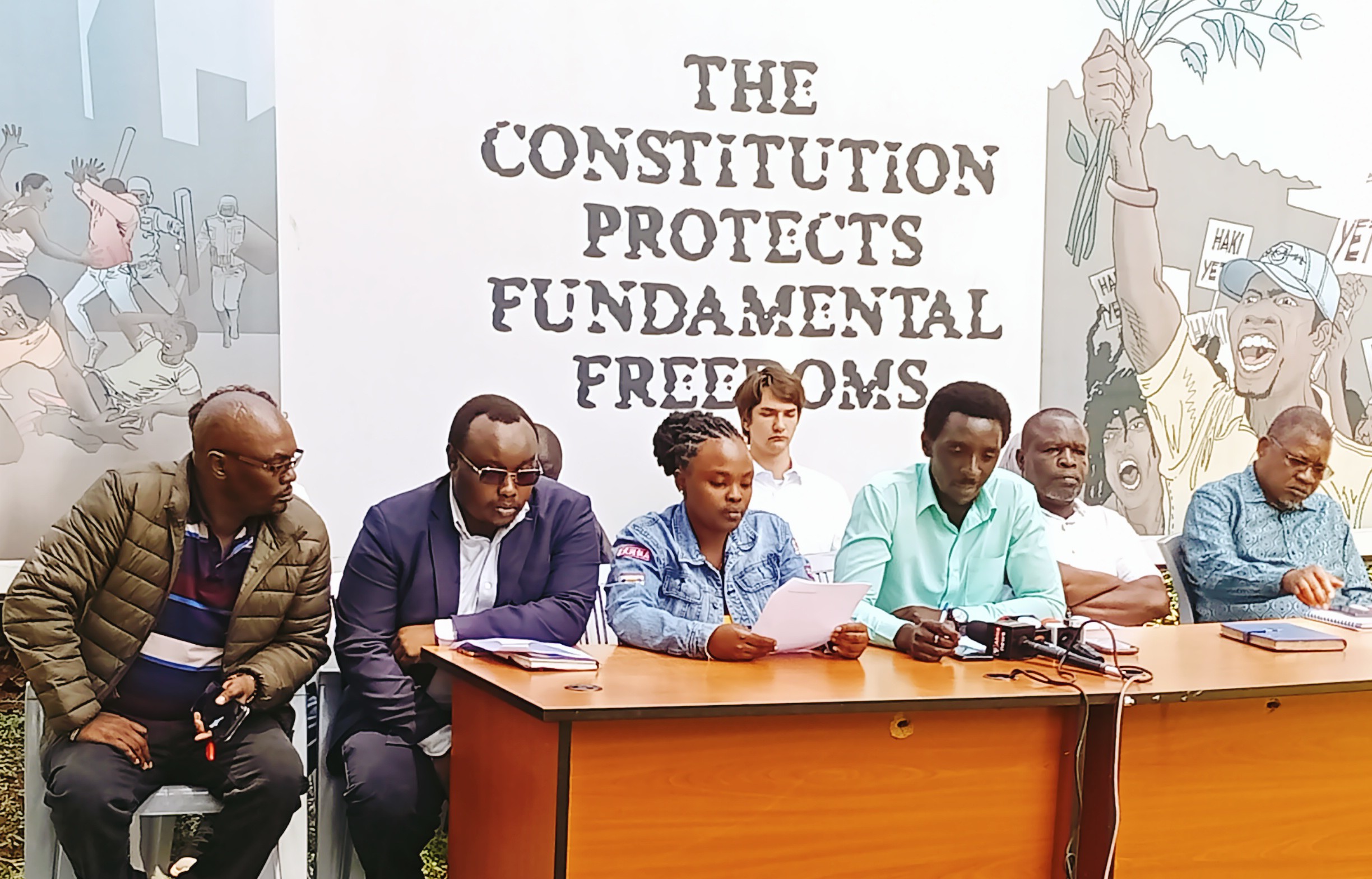
The Elimu Bora Working Group has strongly refuted President William Ruto’s recent remarks on the new university funding model, calling them misleading and a misrepresentation of the Court of Appeal’s ruling.
During a media interview at Sagana Lodge, President Ruto stated that the Court of Appeal had validated the new funding model as constitutional and lawful, assuring Kenyans that his administration would proceed with full implementation. However, in a press statement delivered by Cornelius Oduor from the Kenya Human Rights Commission, the Elimu Bora Working Group clarified that the President’s remarks misrepresented the court’s ruling.
The group emphasized that the Court of Appeal’s March 26, 2025, ruling did not overturn Justice Chacha Mwita’s High Court judgment, which had declared the funding model unconstitutional on December 20, 2024. Instead, the Court of Appeal issued a stay of execution on specific conditions, pending the final determination of the appeal.
According to the Elimu Bora Working Group, these conditions mandate the government to establish and publicize an appeals mechanism for aggrieved students within 14 days. The Higher Education Loans Board (HELB) and the University Fund trustees are also required to inform all applicants that any funding they receive remains subject to legal challenge and may change based on the court’s final verdict.
Maxwell Magawi, speaking on behalf of Elimu Bora Working Group, criticized what he termed as “government propaganda” surrounding the new funding model. He asserted that the model significantly raises the cost of university education, making degrees unaffordable for many deserving students.
“The new funding model directly contradicts the constitutional right to accessible education. It was implemented without proper public participation and does not adequately address the needs of disadvantaged students,” Magawi stated.
He further highlighted that the court’s requirement for an appeals mechanism acknowledges the inherent flaws in the funding system’s categorization criteria. Magawi urged students to document any challenges faced under the model and utilize the upcoming appeals process.
The Elimu Bora Working Group condemned the President’s comments, warning that they undermine judicial independence at a critical moment for Kenya’s education system. “The President must respect the separation of powers and refrain from interfering with ongoing judicial processes,” the statement read.
The group called on all education stakeholders including students, parents, teachers, academics, and civil society to stand together in opposition to policies that commodify education and restrict access based on financial status.
The Court of Appeal has scheduled further hearings on the matter for the second term of this year. Until a final ruling is made, Elimu Bora urged Kenyans to remain vigilant and informed.
“We encourage all stakeholders to read the actual Court of Appeal order dated March 26, 2025, rather than rely on misleading statements from various quarters,” the group emphasized.
With the future of higher education at stake, the debate over Kenya’s university funding model is set to continue as legal and public opinion battles unfold in the coming months.