

Kenya’s Universal Child Benefit Could Impact Over One Million Children by 2030
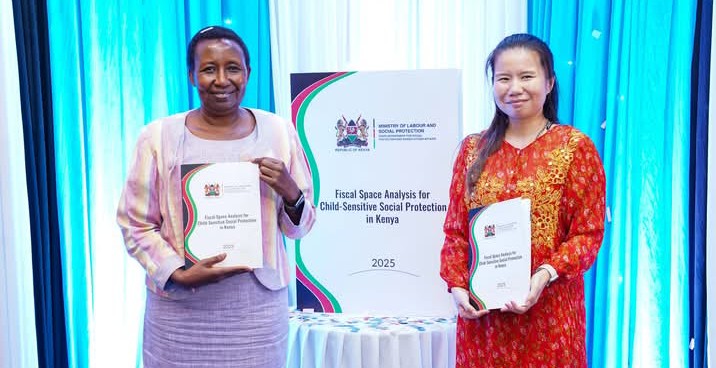
A new budget analysis has revealed that Universal Child Benefit (UCB) could provide social protection for over one million children in Kenya by 2030, significantly reducing child poverty and promoting long-term economic growth.
The Fiscal Space Analysis Report, launched in Nairobi, highlights the urgent need for a universal approach to child welfare, as more than 52.5 percent of Kenyan children live in multidimensional poverty, while 42 percent are monetary poor and 36.2 percent are food poor. Despite these alarming figures, Kenya’s social protection spending remains at just 0.4 percent of GDP, far below the regional average of 2.1 percent.
If successfully implemented, the Universal Child Benefit program could provide unconditional cash transfers to all children, ensuring that no child is left behind.
Speaking during the report launch, Save the Children Kenya and Madagascar Country Director Pornpun Jib Rabiltossaporn emphasized that investing in children today will yield lasting economic and social benefits.
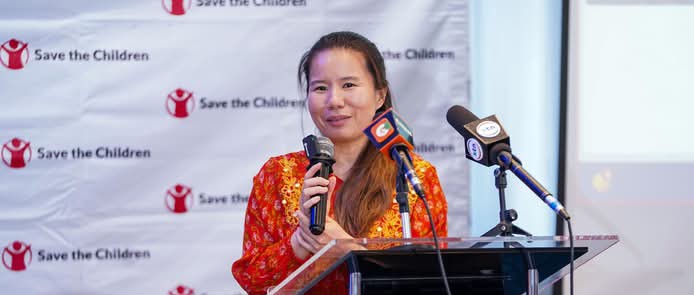
“The government that implements bold and transformative social protection policies will create an immediate impact on Kenyan families and shape the country’s long-term development trajectory,” she said.
Despite current budget constraints, the report indicates that Kenya has the potential to scale up a Universal Child Benefit program.
Jane Muyanga-Kitili, Director of the National Social Protection Secretariat, noted that the analysis identifies possible revenue streams and cost-saving measures to sustainably finance UCB.
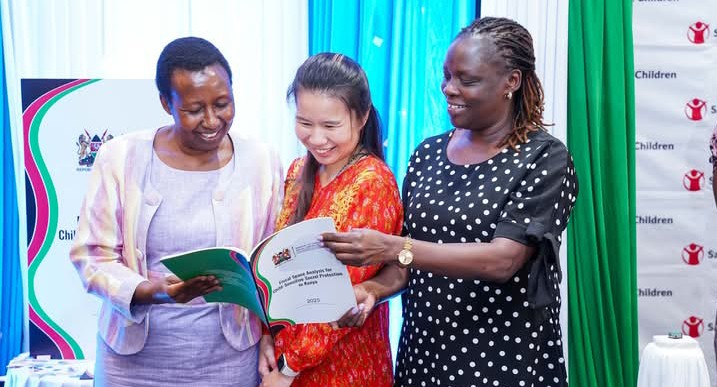
“This report illuminates the strategies Kenya can adopt to create fiscal space for UCB, ensuring a sustainable and inclusive social protection system,” she stated,
speaking on behalf of Principal Secretary for Social Protection, Joseph Motari noted that the study recommends a phased roll-out of UCB, starting with the most vulnerable children.
This cost-effective approach would help reduce child poverty while fostering national economic stability.
Currently, only 11 Percent of children in Kenya benefit from social protection programs such as Inua Jamii. This limited coverage risks perpetuating the intergenerational cycle of poverty, inequality, and exclusion, according to Richard Obiga, Senior Programme Officer at the National Social Protection Secretariat.
“The report explores how the government could finance a universal child benefit program, ensuring equitable and comprehensive support for all children, regardless of socio-economic background,” Obiga said.
Making his remarks,Enock Nyakundi, Head of Livelihoods at Save the Children Kenya Madagascar, echoed these sentiments, stressing the need for strong partnerships between the government and development agencies.
He emphasized that scaling up universal child benefits is crucial to supporting children’s development, ensuring they reach their full potential, and contributing to a productive society.
“Expanding UCB requires boosting domestic revenue, strengthening partnerships, and exploring innovative financing strategies,” Nyakundi noted.
With Kenya’s growing young population, experts argue that a universal child benefit program is not just a social policy but a strategic investment in the country’s future.
Save the Children, through the UCB project, is supporting the government in conducting policy analysis and generating evidence for the sustainable expansion of child-sensitive social protection.
As Kenya moves toward 2030, advocates are calling on policymakers to prioritize universal child benefits to secure a brighter, more inclusive future for all children.