
Kenya Embarks on Precision Medicine Revolution to Transform Cancer Treatment
Kenya is on the brink of a major breakthrough in cancer treatment with the introduction of precision medicine as a strategic priority by the Kenya Medical Research Institute (KEMRI).
This initiative, unveiled at the 15th KEMRI Annual Scientific and Health Conference (KASH), aims to position the country as a leader in targeted therapy, enhancing patient care and improving treatment outcomes.
For years, Kenya has battled both communicable and non-communicable diseases, with cancer emerging as a major public health crisis. Traditionally, treatment has followed a “one-size-fits-all” approach, often leading to mixed results. However, precision medicine tailoring treatments to an individual’s genetic makeup promises more effective and personalized care.Targeted Therapy for Better Outcomes
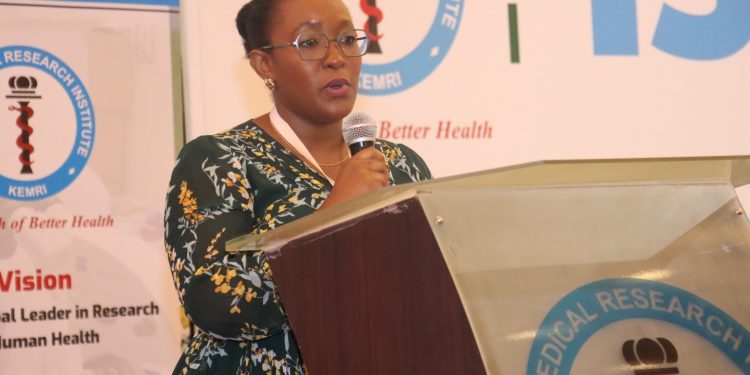
Speaking at the KASH conference, Dr. Hellena Musau, a clinical oncologist and interim Chair of The Kenya Society of Hematology and Oncology (KESHO), underscored the significance of precision medicine in revolutionizing cancer care.
“Traditionally, we’ve used a one-size-fits-all approach, but people respond to medication differently. Precision medicine allows us to tailor treatments based on an individual’s genetic makeup, environment, and other factors that influence their response to care,” Dr. Musau stated.
Kenya, like many low- and middle-income countries, faces significant challenges in cancer treatment. Most existing data and therapies are designed for Western populations, making them less effective for African patients whose genetic profiles may differ. This has led to suboptimal treatment outcomes, with many patients experiencing severe side effects or limited drug efficacy.
“Many patients return to hospitals repeatedly because standard treatments do not work for them,” Dr. Musau explained. “In chemotherapy, for example, most of the drugs used are tested on Western populations and may not be suited to African genetic profiles.
“To bridge this gap, she emphasized the need for local research on genetic variations. “Precision medicine enables us to study how our populations respond to treatment by analyzing DNA, genetic predispositions, and environmental factors. This will help us understand why some people do not respond to certain drugs or develop resistance,” she added.
Precision Medicine Kenya’s Committee of Experts Unveiled to support this groundbreaking approach, the KASH conference also marked the launch of the Precision Medicine Kenya’s Committee of Experts – Think Tank, a structured platform for thought leadership, collaboration, and policy discussions.
This initiative aims to foster partnerships among researchers, healthcare practitioners, and policymakers, ensuring precision medicine becomes an integral part of Kenya’s healthcare system.
Making his remarks at the KASH opening ceremony, Dr. Abdullahi Ali, Chairman of the KEMRI Board of Directors, highlighted the significance of this initiative in positioning Kenya as a global leader in advanced medical research.
“This landmark development will propel Kenya to the forefront of targeted therapy, fostering research and clinical applications that enhance patient care,” he stated.
Bridging the Gap Between Research and Clinical Practice despite these promising advancements, implementing precision medicine nationwide remains a challenge.
While Kenya is currently incorporating precision medicine into healthcare, it is not yet widespread or systematic. A major barrier is the gap between research and clinical practice.Researchers may identify promising treatments tailored to specific populations, but many doctors lack access to this data.
As a result, healthcare providers often prescribe treatments without personalized insights into a patient’s genetic predisposition.Beyond cancer, precision medicine has already been applied in various fields, including rare genetic disorders, infectious diseases, and non-communicable diseases such as diabetes.To accelerate progress, researchers are calling for stronger public-private partnerships to expand access to molecular testing and targeted treatments.
“One opportunity for advancing precision medicine in oncology is investing in local research,” Dr. Musau emphasized. “We need to work with institutions such as KEMRI to study the genetic mutations present in Kenyan populations. This information is currently lacking, and understanding it will help us develop better treatment strategies.”With the growing momentum behind precision medicine, Kenya is on track to transform cancer care and set a new standard for personalized healthcare in the region.