
Before the bell calls, the water calls

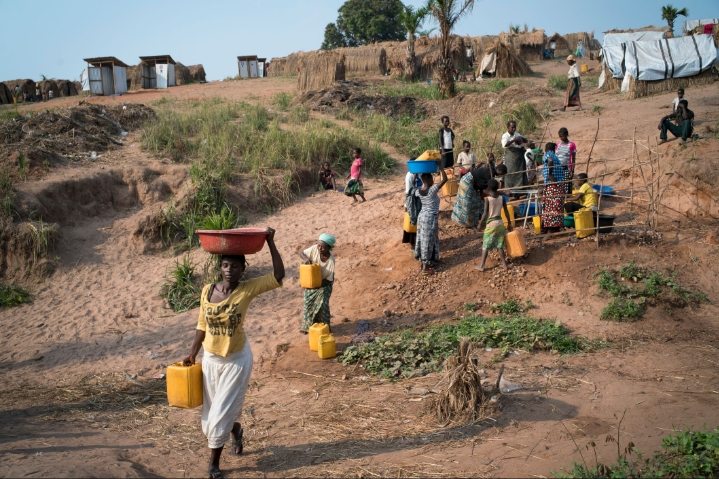
Before the school day stirs in Lodwar, water has already called Asha’s name. At 14, she used to walk to a hand pump or seasonal river before class, wait her turn, then carry home what her family and school needed.
Each morning exacted a price measured not in shillings, but in minutes; some days, she arrived late. Then a solar-powered water system brought water closer, and the arithmetic of her life changed. “Now I have more time to read my books and prepare for class,” she says.
Her simple sentence carries a larger truth. Water infrastructure is often described through pipes, pumps, boreholes and budgets the language of engineering and public finance. Inside a home, however, water is also a clock.
When it lies far away, someone pays with time. When it is unsafe, someone pays with illness. When a toilet is distant or exposed, someone weighs risk before answering the body’s most basic need. In too many homes, that someone is a woman or a girl.
That is why gender is not a side note in the story of water. It determines who has time, who carries unpaid work, who can move safely and who is heard when a water system is planned. The United Nations World Water Development Report 2026 estimates that 2.1 billion people still lack safely managed drinking water.
Women and girls spend an estimated 250 million hours each day collecting water, yet remain markedly underrepresented in the institutions that manage it. Those who know the water crisis most intimately are often furthest from the rooms where its solutions are designed.
The burden has a Gender
“Water is time made visible.”
In homes without water on the premises, the pattern is stark. WHO and UNICEF found that women and girls aged 15 and older are chiefly responsible for collecting water in seven out of ten such households worldwide.
Girls learn the work early, and the divide from boys widens in adolescence.A daily chore becomes a quiet curriculum: this is your responsibility; this is where your time goes; this is the work expected of you.
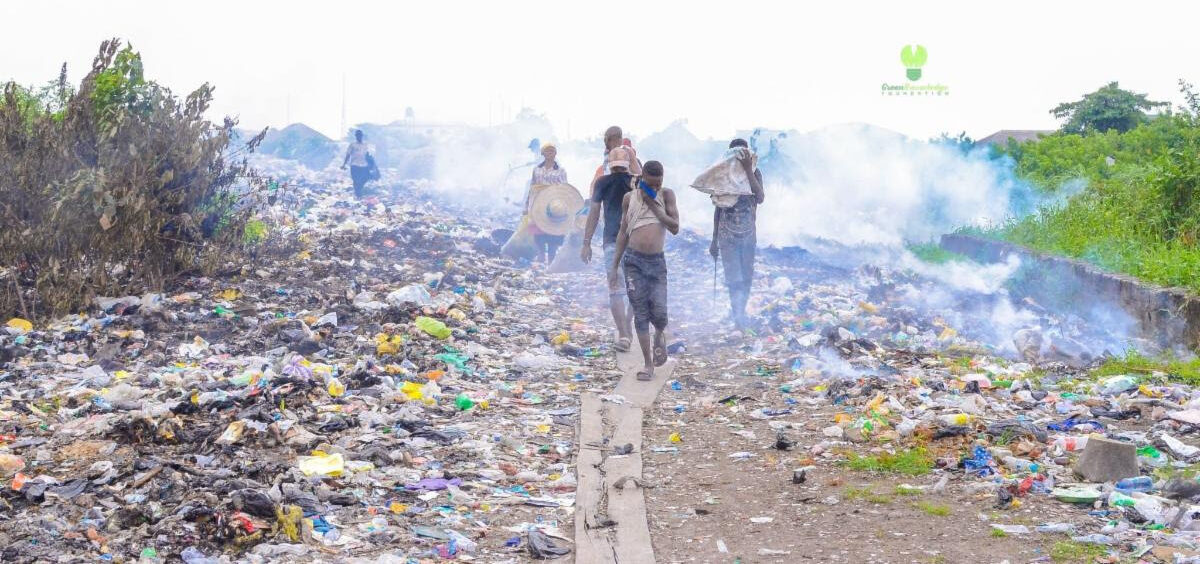
The losses gather quietly. A longer walk can cost a lesson. A queue can mean a late shift. A heavy container can bring pain, injury or a harder pregnancy. At a remote water point, even an ordinary errand can become a tense bargain with darkness, isolation and the threat of violence.
None of these costs comes with a receipt. They disappear into the category called “household work”, even as they shape education, income, health and freedom of movement.
Climate change is tightening those margins. Where drought empties seasonal rivers or drives groundwater deeper, the search for water stretches longer.
A recent UNICEF account from Kenya’s Turkana County described children arriving late to school because water had to be fetched before class. Climate-resilient, solar-powered infrastructure transformed the morning routine. The engineering was straightforward; the social effect was profound.
The real test is who holds the Tap
A second inequality runs beneath the surface. Women often carry water, ration it, cook and clean with it, and shield children from its absence. Yet they remain underrepresented in water utilities, technical roles and formal decision-making. The 2026 UN report notes that women hold less than 30 per cent of management and technical positions in the water sector globally, while fewer than 20 per cent of formal workers in water utilities are women.
The imbalance is not merely unfair; it can leave policy blind. A system designed without those who know its daily failures may overlook the problem in plain sight.
The answer is not to praise women for carrying more. It is to build systems that ask them to carry less: a nearby tap, a reliable supply, a safe toilet, a school where girls can manage menstruation privately, irrigation that cuts hours of labour, and a water committee where women do more than occupy a seat they shape the decision. These are not separate acts of charity. Together, they redraw the line between survival and opportunity.
In Lodwar, Asha can now walk into school carrying her books instead of a container. The image is modest, almost too ordinary to make the news.
Yet it may be the clearest measure of what good water policy should do: not manufacture a hero, unveil a plaque or add another speech about resilience, but quietly and lovingly return what scarcity had stolen.
Time. Choice. Dignity.