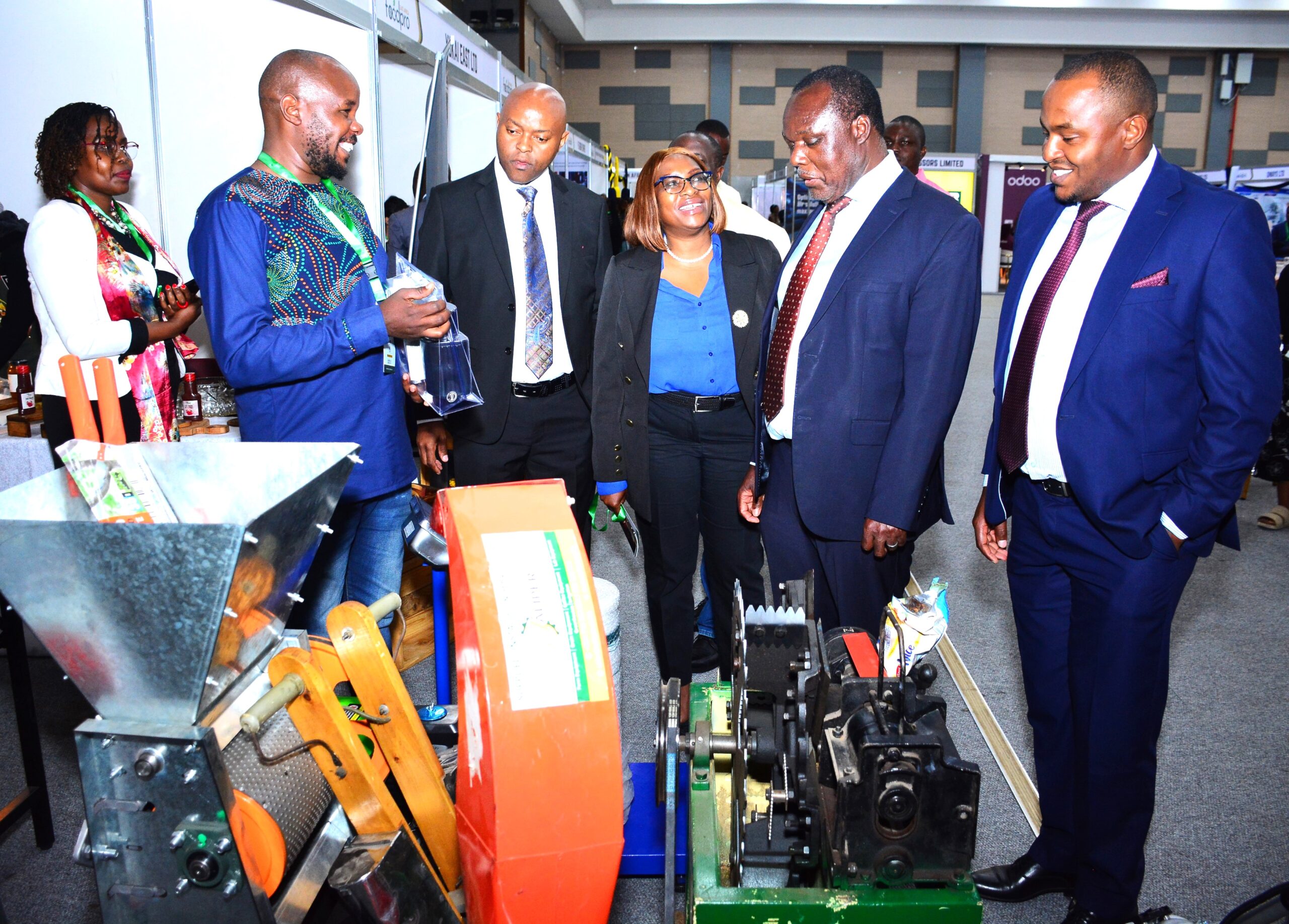

Stakeholders call for stronger regulation of Kenya’s leather sector
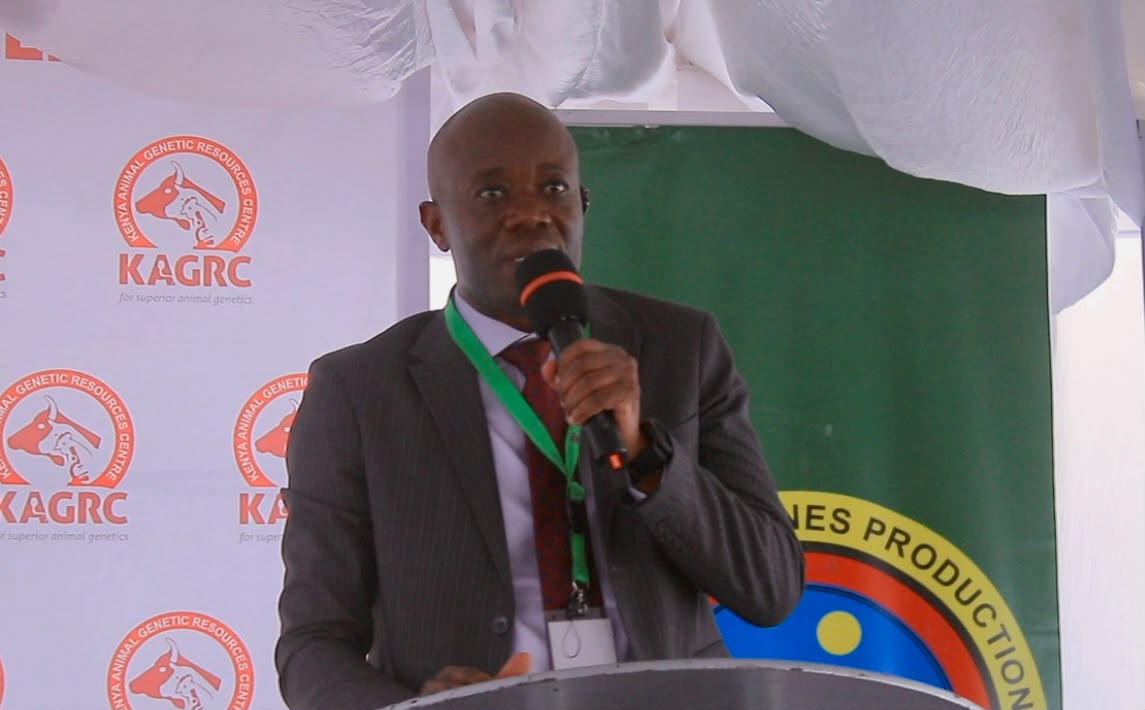
Ag. Chief Executive Officer of the Kenya Leather Development Council (KLDC), Jimmy Odhiambo, speaks during the B12 Leather Sector session at the Agriculture and Food Systems Transformation Summit at Jamhuri Park, Nairobi, on October 8, 2026.
Kenya is reviewing the law governing the hides, skins and leather trade as part of efforts to align regulation with the needs of the industry, stakeholders at the Agriculture and Food Systems Transformation Summit have heard.
Kenya Leather Development Council (KLDC) Acting Chief Executive Officer Jimmy Odhiambo said the country needed stronger coordination across the leather value chain to improve the utilisation of hides and skins and support the development of local manufacturing.
Speaking during a session themed “Unlocking the Value Behind the Hide and the Skin,” Odhiambo said Kenya produces approximately three million hides and 18 million skins annually, providing a significant resource for the leather industry.
He said strengthening the systems supporting the sector was important in enabling the country to derive greater value from its livestock resources.
Industrialisation Secretary Professor Erastus Gatebe said improved raw materials and stronger domestic production were necessary to support Kenya’s industrialisation agenda and enhance the competitiveness of locally manufactured products.
Dr Anthony Ngugi of the Directorate of Veterinary Services (DVS) said the Hides, Skins and Leather Trade Act, Cap. 359, was under review to align the legal framework with current industry requirements.
Ngugi also said more than 20 counties lacked dedicated leather development officers, limiting technical support and coordination at the local level.
He highlighted animal traceability initiatives, including Anitrack, as part of efforts to strengthen identification and tracking within the livestock value chain.
Participants said stronger collaboration between national and county governments, slaughterhouses, tanneries and manufacturers would be important in improving coordination and supporting the sector’s development.
The discussions also highlighted the need for appropriate slaughterhouse equipment, worker training and improved livestock management to protect the quality of hides and skins before they reach processing facilities.
Stakeholders noted that effective regulation needed to be supported by technical capacity and better coordination among the different actors in the industry.
The session, organised by the KLDC in collaboration with the Directorate of Veterinary Services, brought together government representatives, county officials, slaughterhouse operators, tanners and manufacturers to discuss measures for strengthening Kenya’s leather industry.