
Pressure mounts on anti-corruption agencies to recover stolen wealth
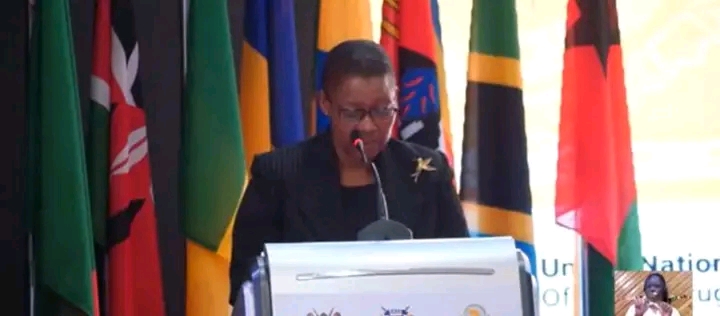
AG Dorcas Oduor speaking on behalf of President William Ruto during the 8th Annual General Assembly of the Association of African Anti-Corruption Authorities (AAACA) conference in Nairobi on June 17,2026. Photo/EACC
Pressure is mounting on anti-corruption agencies across Africa to deliver tangible results in the recovery of stolen public funds, as leaders and investigators convene in Nairobi for a high-level continental assembly.
The call dominated discussions at the 8th Annual General Assembly of the Association of African Anti-Corruption Authorities (AAACA), where officials acknowledged growing public demand for accountability, asset recovery and stronger enforcement.
The meeting, held at the Central Bank of Kenya Institute of Monetary Studies, also marked the launch of the Centre for Anti-Corruption Studies and Research in Africa (CEREAC), a new body expected to support evidence-based strategies in combating graft.
President William Samoei Ruto, in remarks delivered on his behalf by Attorney General Dorcas Oduor, said corruption continues to deny citizens essential services by diverting resources meant for development.
He explained that every act of corruption weakens public confidence in institutions and undermines economic growth, stressing that the fight against graft must now focus on both enforcement and prevention.
“Every illicit financial flow weakens national economies, and every stolen public resource undermines the dignity and aspirations of our people,” he said.
The President noted that corruption has become increasingly sophisticated and transnational, calling for stronger cooperation among African states to track, freeze and recover stolen assets across borders.
Speaking during the opening ceremony, Ethics and Anti-Corruption Commission (EACC) Secretary and Chief Executive Officer Abdi A. Mohamud said citizens are no longer satisfied with investigations alone, but expect visible outcomes.
He explained that there is rising pressure on agencies to demonstrate results through the tracing, confiscation and recovery of proceeds of corruption.
Mohamud said the Assembly would focus on strengthening mutual legal assistance, joint investigations and intelligence sharing to improve success in cross-border cases.
He also pointed to emerging risks linked to digital financial systems and virtual assets, warning that new technologies are increasingly being used to conceal illicit wealth.
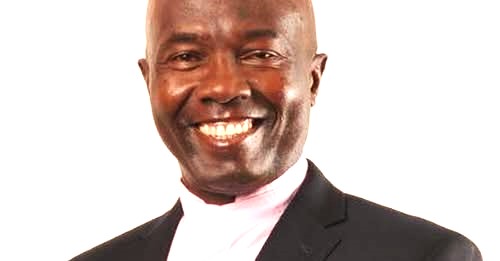
According to EACC Chairperson Dr David Oginde, corruption continues to erode resources meant for infrastructure and public services, even as demand for accountability grows across the continent.
He emphasized that anti-corruption agencies must adapt quickly by embracing innovation and strengthening collaboration to keep pace with evolving corruption networks.
“We must out-innovate the corrupt,” he said, noting the importance of adopting tools such as artificial intelligence and blockchain in investigations.
A key outcome of the Assembly was the launch of CEREAC, which will serve as a continental research and policy hub to support anti-corruption efforts.
Officials said the centre, to be hosted in Nairobi, will help generate data, strengthen capacity and provide African-led solutions to corruption challenges.
Participants called for concrete commitments on asset recovery, improved coordination among agencies and stronger frameworks to ensure stolen public resources are returned for public use.
The Assembly continues with deliberations aimed at strengthening cooperation and improving the effectiveness of anti-corruption institutions across Africa.