
Terrorist Financing in Nonprofit Sector Under Scrutiny as Kenya Releases Risk Assessment Report
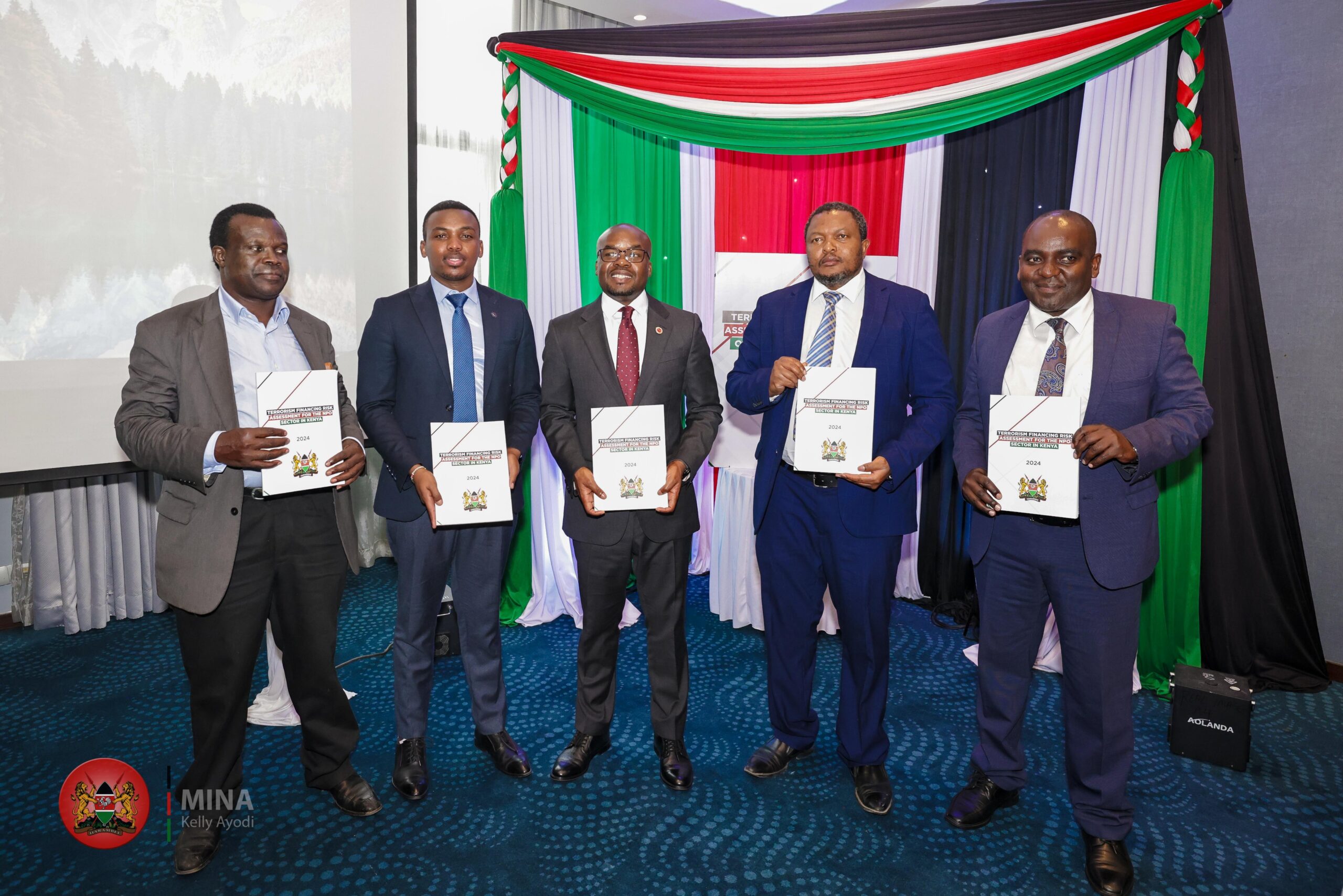
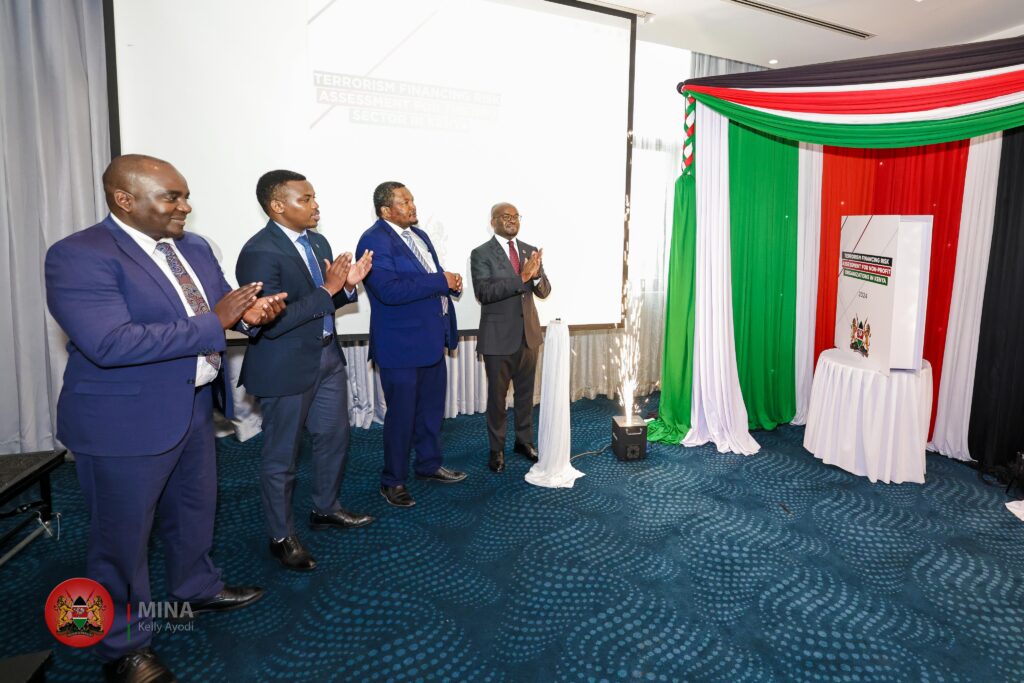
The Public Benefit Organization Regulatory Authority has launched the Terrorism Report Financing Sectoral Risk Assessment report for Non-Profit Organizations, a significant step toward enhancing Kenya’s fight against terrorism financing.
The launch of the risk assessment report aims to protect domestic and foreign NGO, s, community-based organizations, companies limited by guarantee, trusts and faith-based organizations from being exploited for illicit activities.
This initiative aims to ensure that resources are used for their intended purposes and not diverted to support terrorism. This report, a result of months of collaborative research and analysis between the Public Benefits Organization (PBO) and local authorities, addresses critical vulnerabilities in the nonprofit sector that could be exploited for financing terrorism.
Speaking on Thursday during the Launch, Principal Secretary for Interior and National administration Dr Raymond Omollo noted that Kenya has faced increased scrutiny from the Financial Action Task Force (FATF) due to concerns over transparency and regulatory shortcomings in its financial systems, particularly regarding money laundering and counterterrorism financing.
In response to these concerns, the report identifies areas where nonprofits, especially those operating in conflict-prone regions, are at risk of being misused by terrorist groups.
He stated that the launch is seen not as the end, but as the beginning of a renewed focus on ensuring that nonprofit organizations, which contribute to Kenya’s economic and social development, are protected from misuse while continuing their mission to support communities in need.
The government also aims to improve the digitalization of services to enhance transparency, ensuring that funds are properly tracked and allocated. “The amount of the report is not only a combination of months of dedicated research and collaboration, but also a crucial step for it regarding Kenya and profit sector against potential threats,” he said, adding that the launch is testament to Kenya’s commitment to addressing the magic group of challenges in counter terrorism financing as guided by the recommendations on the financial action task force.
He commends the public benefit organization and its partners for their efforts in conducting the assessment of providing this insightful report that address a lot of issues, gaps, concerns that were raised by the players and actors within the civil society framework, but also to make it aligned with the constitutional reality.
“Assessment that we are launching today was conducted with our team objective of ensuring that nonprofit organizations are not abused in any way by terrorists or terrorist organizations or their sympathizers,” he said.
And the PBO in the letter of authority is under instructions to institute measures to ensure that there are no-sharm perfect organizations disguising as legitimate entities and legitimate nonprofit organizations, which then become guardians for terrorist financing.
As you are aware, Kenya was in February blessed and increased monitoring by the financial action task force whose key areas highlighted was the importance of conducting terrorism financing this assessment for the nonprofit sector.
And we will be listening to see what the report has come up with or what the team found out. And today as a country, we are proud that we have made a few steps for an opportunity to address this matter. And I am grateful that other aspects raised will soon be addressed.
“The report highlights the inherent vulnerabilities in nonprofit sector and the potential risks posed by terrorist financing,” he said, adding the risk assessment identifies areas that require attention such as nonprofit organizations operating in regions with active terrorist activities, particularly along borders, lack of adequate financing controls among some organizations, exposure to a very firewall funding process, especially for non-profits and the vulnerabilities that are posed by faith-based organizations.
He noted that the report outlines peer recommendations including strengthening regulatory framework, fostering emergency collaboration and increasing capacity building efforts for both government and our profit organizations.
“This report should be more than just white on paper. Let the blueprint for party measures that we safeguard the kindness and profit sector when allowing it to flourish and deliver in the territory of objectives for which we are interested in,” he said.
Omollo stated that the government’s transformation is a commitment to transparency, accountability and fairness, that not only meet international obligations, but also protect the number of contributions of the nonprofit sector to the chaos of economic development. The PS has urged stakeholders to remain vigilant, collaborate to protect the integrity of the nonprofit sector while safeguarding the nation against the threat of terrorism financing as Kenya moves forward with the reforms.
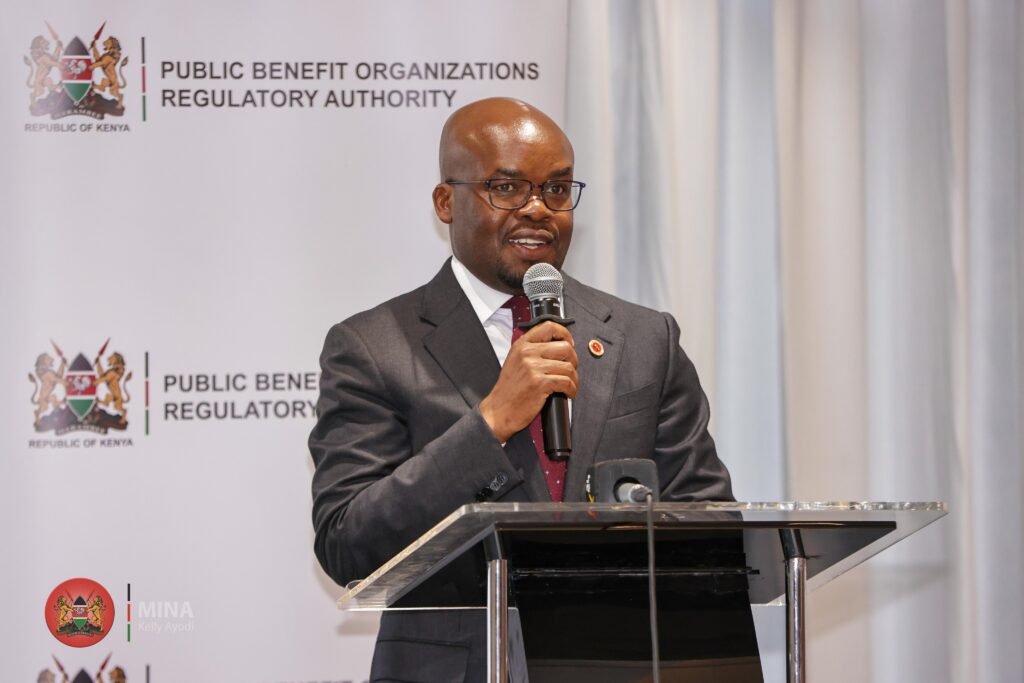
Making his remarks, Director General of the Public Benefits Organization Regulatory Authority Lindon Nicolas, expressed his commitment to implementing the report’s recommendations, noting that the collaboration between government and civil society actors is crucial in mitigating the risks identified.
During his presentation, Global Center on cooperative Security Officer Victor Kipkoech noted Key findings from the report highlight the vulnerabilities of organizations operating near Kenya’s borders, where terrorist activities are more prevalent.
Some organizations lack adequate financial controls, which could make them susceptible to exploitation. Additionally, faith-based organizations, which play a prominent role in the nonprofit sector, were also flagged as potential areas for abuse.
The report emphasizes the importance of strengthening the regulatory framework surrounding nonprofits to prevent exploitation. Recommendations include enhanced collaboration between government agencies, increased capacity building for regulatory bodies, and stronger oversight mechanisms to ensure compliance with international standards.
These measures are in line with Kenya’s commitment to meeting Financial Action Task Force ( FATF) requirements and ensuring transparency and accountability in the nonprofit sector.