


Gachagua Wins Sh50M
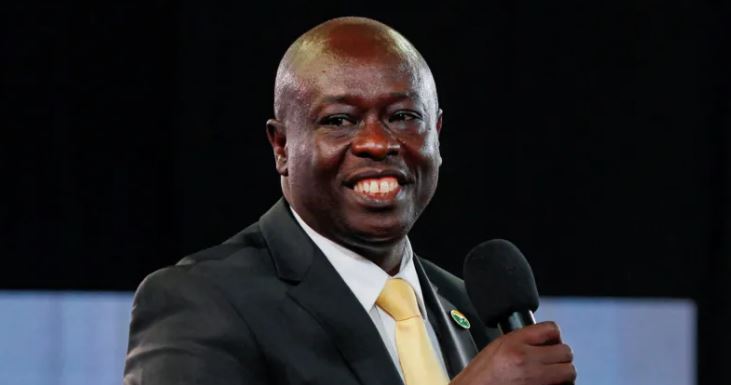
Former Deputy President Rigathi Gachagua has secured a significant legal victory after the High Court awarded him Sh50 million in constitutional damages for the violation of his rights during impeachment proceedings, even as the court upheld the validity of his removal from office.
In a landmark judgment that is expected to shape future impeachment proceedings in Kenya, the court found that Gachagua’s constitutional rights were infringed when the Senate declined his request for an adjournment during the impeachment hearing.
Justice Eric Ogola, delivering the court’s determination, ruled that the Senate’s decision to proceed with the proceedings without granting the former deputy president additional time amounted to a violation of his constitutional protections.
The court consequently ordered the Senate to pay Gachagua Sh50 million in damages, describing the award as necessary to uphold constitutional principles and discourage similar violations in the future.
Court Finds Rights Were Breached
According to Justice Ogola, the denial of an adjournment compromised Gachagua’s right to fair administrative action and due process, protections guaranteed under the Constitution.
“We find that Gachagua’s rights were infringed when the Senate declined to allow an adjournment,” Justice Ogola stated during the judgment.
The judge emphasized that constitutional rights must be protected regardless of an individual’s political position or the nature of proceedings facing them.
“The Court awards constitutional damages of Sh50 million to H.E. Gachagua payable by the Senate, to vindicate the Constitution, restore the dignity of the affected party, and deter future violations,” the ruling stated.
The court observed that constitutional damages go beyond financial compensation and are intended to reaffirm the supremacy of the Constitution whenever state institutions fail to adhere to its provisions.
Impeachment Remains Valid
Despite finding that Gachagua’s rights were violated, the court stopped short of overturning his impeachment.
Justice Ogola clarified that the constitutional breach identified by the court did not invalidate the final outcome of the Senate proceedings. Instead, the ruling recognized a procedural flaw that warranted compensation but was insufficient to reverse the decision to remove him from office.
“This violation constitutes both a vindication of his rights and a recognition of the constitutional infirmity but does not undo the impeachment itself,” the judge ruled.
The judgment means that while Gachagua has been compensated for the violation of his rights, his impeachment remains legally effective.
The court’s position is likely to spark debate among constitutional scholars and political observers regarding the balance between procedural fairness and the finality of parliamentary decisions.
Landmark Decision for Future Cases
Legal experts say the ruling could become an important reference point in future impeachment proceedings involving senior state officers.
The decision sends a strong message that constitutional safeguards must be respected throughout political and legislative processes, even when institutions are exercising powers granted to them by law.
At the same time, the judgment reinforces the principle that procedural errors do not automatically invalidate an entire process unless they fundamentally affect the legality of the outcome.
The ruling therefore creates a unique legal situation in which the court acknowledged a violation of rights, awarded substantial compensation, but preserved the legitimacy of the impeachment itself.
Political and Legal Implications
The judgment marks another significant chapter in the prolonged legal battle surrounding Gachagua’s impeachment, a process that has attracted widespread public and political attention.
For Gachagua, the Sh50 million award represents judicial recognition that aspects of the impeachment process failed to meet constitutional standards. For the Senate, the ruling serves as a reminder of the importance of safeguarding due process when exercising its oversight and accountability mandate.
As reactions continue to emerge from political leaders, legal practitioners, and members of the public, the decision is expected to remain a major point of discussion in Kenya’s legal and political landscape.
The case has once again highlighted the critical role of the judiciary in interpreting constitutional rights and ensuring that state institutions remain accountable to the rule of law, even in highly charged political disputes.