

Nurses, Media Seek Closer Collaboration as Sector Pushes for Recognition
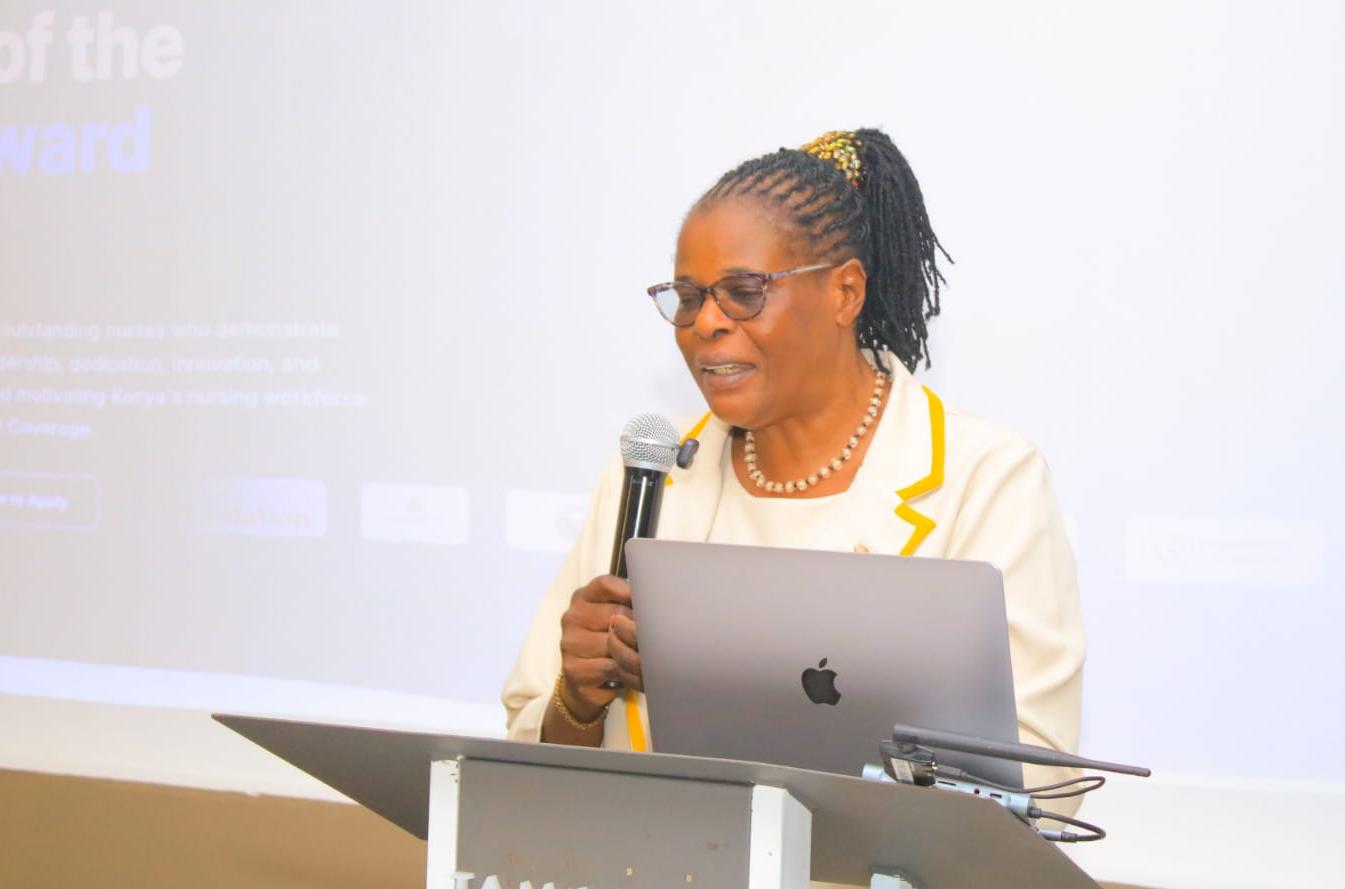
Nurses in Kenya are seeking stronger collaboration with the media and greater recognition of their role in healthcare delivery following an engagement with stakeholders held ahead of the launch of the Nurse of the Year Awards (NOYA).
The forum brought together frontline nurses, health sector stakeholders and media, with discussions centering on the role of nurses, challenges facing the profession, misinformation, and the need for structured engagement to improve public understanding of healthcare.
Speaking during the forum, Ministry of Health Director of Nursing Services Dr. Judith Awinja said nurses remain central to the healthcare system despite facing persistent challenges, including lack of recognition.
“Seventy percent of the healthcare system depends on nurses, and without them, the system would break down. You should be proud of yourselves,” she said.
Awinja noted that while nurses are fully devoted to service delivery, their contribution is often underappreciated, underscoring the need to deliberately showcase their work, especially during Nurses Week and the upcoming awards ceremony.
She also raised concern over workforce challenges, particularly low absorption of trained nurses despite increasing numbers graduating each year.
“Absorption has been the biggest problem. We produce about 10,000 nurses every year, but employment has not kept pace, especially at the county level,” she said.
The Director pointed to ongoing advocacy efforts led by the Ministry of Health, including engagement with the Council of Governors, to address staffing shortages, noting that counties have begun advertising positions to absorb more nurses.
Participants also challenged the media to increase positive coverage of nursing, noting that the profession is often underreported despite its critical role in healthcare delivery.
Media practitioners acknowledged the gap, citing systemic barriers that limit access to nursing professionals, including lack of clear communication channels.
In response, stakeholders emphasised the need for journalists to follow structured channels when seeking information, including identifying the appropriate contacts within the nursing sector to improve engagement.
National Nurses Association of Kenya President Collins Ajwang stressed the importance of amplifying the voice of nurses, noting that the profession remains central to patient care.
“What nurses need most is to be listened to. We want to tell our story so that people can understand the role we play,” he said.
Ajwang said nurses provide continuous, round-the-clock care and serve as the link between patients and the healthcare system.
“Nurses stand between the patient and the healthcare system, providing care 24 hours a day. Without a nurse, there would be no care,” he added.
The engagement also addressed the growing use of social media by nurses to promote their work, with concerns raised over the risk of misinformation as more audiences rely on digital platforms.
Stakeholders called for closer collaboration between nursing authorities and the media to ensure accurate information is disseminated, supported by better data collection and analysis to strengthen health reporting.
Advocacy and accountability also featured prominently, with calls to address longstanding issues such as understaffing and workforce planning. Kenya currently has over 70 thousand licensed nurses, with about 10,000 entering the job market annually.
On the awards, organisers said the Nurse of the Year Awards(will prioritise transparency. Applications across all 47 counties will be conducted fully online, with identities concealed during vetting to ensure selection is based purely on performance.
The engagement forms part of broader efforts to strengthen the nursing profession, improve its visibility and enhance collaboration between stakeholders in the healthcare sector.