
Did you know: Diamond Trust Bank Wearables let you pay with a tap
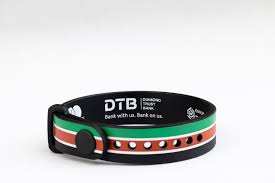
Nairobi, 09 April 2026 — For 28-year-old Nairobi runner Amina Odhiambo, the morning park run just got simpler. No more fumbling for a phone or card at the coffee cart afterwards , she taps a slim silicone band stamped with the Kenyan flag and her Diamond Trust Lab (DTB) account pays for her takeaway in seconds.
Amina is among the first customers trying DTB Wearables, a new range of NFC-enabled wristbands and rings launched this week by DTB in partnership with Mastercard and powered by Tappy Pay. Linked to existing DTB debit cards, the devices let users pay by tapping any contactless terminal, removing the need to carry cash, cards or phones.
“DTB Wearables represent a significant step forward in the evolution of digital payments in Kenya,” said Murali Natarajan, DTB Kenya’s CEO. “They deliver secure, always-on payment experiences that fit seamlessly into everyday life.” Mastercard’s East Africa lead, Shehryar Ali, added the collaboration will help drive adoption of wearable payments and support a growing cashless economy.
Beyond speed and convenience, early adopters note lifestyle gains. A taxi driver in Nairobi’s CBD said transactions are faster at peak times when commuters tap rings instead of searching pockets. A busy mother reported fewer lost cards and less anxiety after misplacing her phone. Small merchants say quicker checkouts reduce queues and boost turnover.
Security is a central selling point: NFC’s short-range communication and DTB’s payment infrastructure mean wearables work only when close to a terminal and can be blocked if lost or stolen. DTB emphasizes the devices are compatible with contactless terminals globally, making them useful for travel as well as local errands.
DTB is the first Tier One bank in Kenya to roll out wearable contactless payments, part of a broader digital-first strategy that the bank says will continue to expand. The wearables come as silicone wristbands with an elegant Kenya flag motif, and as ceramic rings for customers seeking a more discreet or fashion-forward option.
For users like Amina, the appeal is simple: “It feels like carrying less , but doing more.” As Kenya accelerates toward a cashless future, small taps on wrists and rings could become a daily rhythm across cities and neighborhoods, reshaping how people pay, move and live.