

THE ARCHITECTS ALLIANCE DEMANDS URGENT ACTION AFTER EASTLEIGH BUILDING COLLAPSE

The Architects Alliance (TAA)— President and former Senator Dr. Arch. Sylvia Kasanga
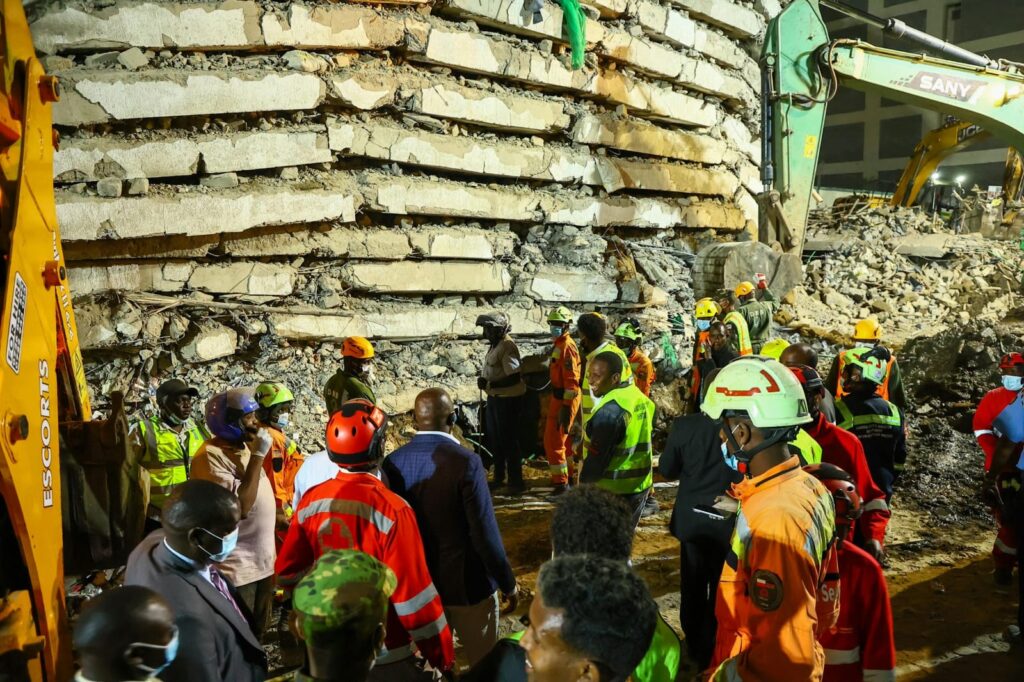
The Architects Alliance (TAA) has called for urgent reforms in Kenya’s building approval, inspection and enforcement systems following the collapse of a building in Eastleigh, Nairobi, on October 23, 2026, warning that repeated incidents expose systemic weaknesses that continue to put lives at risk.
TAA President and former Senator Dr. Arch. Sylvia Kasanga made the call while reading a statement on behalf of the alliance, urging the national and county governments, Parliament and regulatory institutions to move beyond reactive responses and implement lasting measures to prevent building failures.
Kasanga said the recurrence of building collapses raised serious questions about the effectiveness of regulatory institutions, professional supervision and enforcement within the construction industry.
“Our thoughts are with all those affected by this incident, including construction workers, neighbouring residents, property owners and the wider Eastleigh community,” she said.
She called on the relevant authorities to prioritise rescue efforts, establish the safety of surrounding structures and provide timely and accurate information to the public.
The Eastleigh incident comes months after the alliance raised concerns about weaknesses in development approvals, inspections, professional supervision and enforcement following a building collapse in South C in January. In June, TAA reiterated the need for transparent technical investigations, stronger institutional accountability and comprehensive reforms in development control systems.
Kasanga questioned why similar incidents continued to occur despite previous calls for action, saying the country needed to confront the underlying failures instead of relying on investigations and temporary enforcement measures after tragedies.
“How many more buildings must collapse before we address the systemic failures that continue to put Kenyan lives at risk?” she posed.
The alliance said the exact cause of the Eastleigh collapse should be established through an independent technical investigation, noting that the recurring nature of such incidents pointed to a wider national challenge requiring coordinated and sustained intervention.
It identified concerns including compromised approval processes, inadequate construction supervision, weak enforcement, unregulated professional practice and fragmented institutional responsibility.
Kasanga said accountability should extend across the entire development process, from project conception and design to approvals, construction, supervision, inspection and occupation.
She added that individuals found responsible for negligence, professional misconduct, corruption or unlawful conduct should face appropriate consequences through fair and lawful processes.
However, the alliance maintained that holding individuals accountable after a building collapses was not enough to guarantee public safety, stressing the need for effective preventive systems.
“The ultimate responsibility of our regulatory institutions is to prevent unsafe buildings from being constructed or occupied in the first place,” Kasanga said.
Among its proposals, TAA called for an immediate risk-based audit of ongoing and existing developments, prioritising high-density urban areas and buildings showing signs of structural distress.
The alliance also urged authorities to publish the findings of an independent investigation into the Eastleigh collapse, including the building’s approval status, construction supervision, inspections and enforcement actions.
It further called for comprehensive reforms to ensure that building approvals, professional supervision, statutory inspections and occupation certification are transparent, technically sound and effectively enforced.
The alliance proposed strengthening the Office of the City Architect in Nairobi and establishing equivalent Offices of Chief Architect across counties to provide coordinated technical leadership and reinforce professional oversight.
It also called for a national building failure investigation and prevention framework that would make technical findings, recommendations, responsible institutions and implementation progress accessible to the public.
Kasanga urged authorities to disclose reports from previous building collapse investigations, including their findings, identified causes, recommendations and actions taken, saying the public deserved answers on why similar tragedies continued to occur.
The alliance further called for an urgent national multi-stakeholder engagement involving government agencies, regulators, professional bodies, developers and contractors to develop a time-bound programme for improving building safety.
It also advocated for independent, profession-specific regulatory frameworks for built environment professionals to uphold competency and ethical standards, guarantee professional autonomy and ensure accountability without undue political, administrative or commercial interference.
TAA acknowledged that building safety was a shared responsibility requiring professional competence, integrity, responsible development, effective governance and consistent enforcement.
Kasanga said the country needed to measure progress by the lives protected and building failures prevented rather than the number of investigations launched, arrests made or public statements issued.
The alliance pledged to contribute its professional expertise and policy proposals towards developing and implementing lasting solutions, warning that Kenya could not afford to continue responding to building collapses without addressing their underlying causes.
“The time for lasting reform is now,” Kasanga concluded.