
ODPP Unveils New Curriculum to Strengthen Fight Against Terrorism Financing
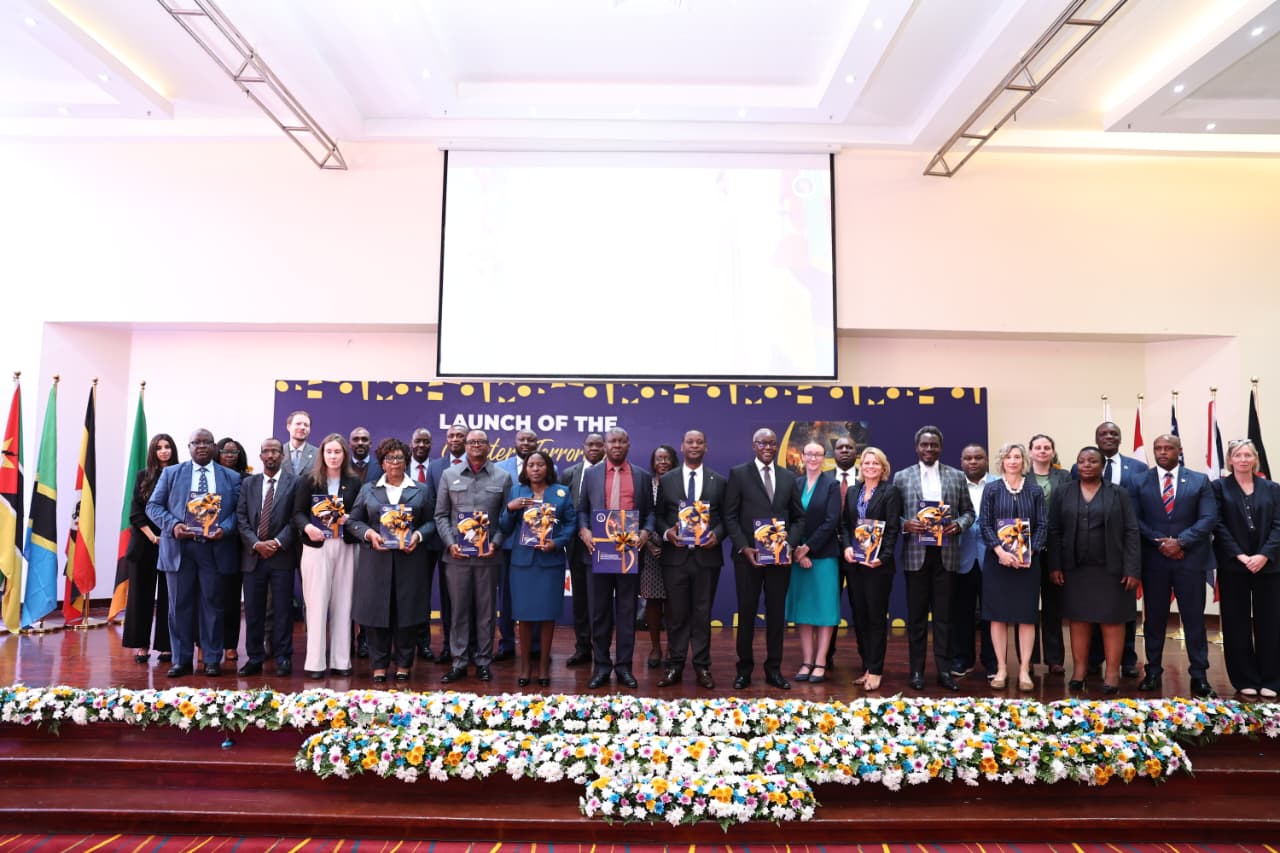
Kenya has stepped up efforts to combat terrorism and its financial networks following the launch of a specialised Counter-Terrorism and Countering the Financing of Terrorism curriculum by the Office of the Director of Public Prosecutions (ODPP).
Speaking during the launch, Director of Public Prosecutions Renson Ingonga said the programme marks a major milestone in equipping prosecutors and law enforcement agencies with the expertise needed to investigate and prosecute terrorism-related offences effectively.
He noted that the curriculum is designed to keep prosecutorial tools updated in response to evolving threats, including transnational organised crime and complex financial networks used to sustain terrorist activities.
Built on Lessons From Real Cases
The training draws from Kenya’s recent successes in handling high-profile terrorism prosecutions, including the Dusit D2 terror attack case at DusitD2, where suspects were convicted of financing and facilitating terrorist acts. Prosecutors also secured a landmark conviction in a bio-terrorism case involving a medical professional accused of plotting to deploy anthrax.
According to the ODPP, strategies applied in these cases now serve as practical models within the curriculum, adopting a “network versus network” approach to dismantle terror cells and their support systems.
The programme will be delivered through the Prosecution Training Institute to strengthen the capacity of the next generation of prosecutors.
International Partnerships
Development of the curriculum was supported by key international partners, including the British High Commission, United States Department of Justice, OPDAT, and the International Institute for Justice and the Rule of Law.
The partnerships enabled collaboration with foreign law enforcement, financial institutions, and telecommunications agencies to secure digital and financial evidence across jurisdictions through Mutual Legal Assistance frameworks.
Targeting the Financial Engine of Terrorism
The curriculum trains prosecutors to treat crimes such as illicit trafficking, environmental crimes, and illegal taxation in conflict zones not as isolated offences but as revenue streams that sustain terrorism. It also addresses how extremist groups exploit Eastern Africa’s porous borders and cross-border trade to finance operations.
Modules are anchored in international legal frameworks that require states to criminalise terrorism financing and confront the growing nexus between organised crime and terrorism.
Focus on Digital Threats and Emerging Technologies
Recognising the shift to online operations, the course examines cyber-enabled crimes such as phishing, impersonation, and the use of cryptocurrencies and virtual assets to move funds anonymously.
Prosecutors will be trained to use blockchain analytics and advanced digital forensics to track illicit financial flows while bridging traditional investigative methods with modern technology.
Strengthening Institutions and Cooperation
The curriculum emphasises intelligence-led investigations, multi-agency coordination, and faster information sharing to match the agility of criminal networks.
It also highlights the role of specialised judicial infrastructure such as the Kahawa Law Courts, established in 2020 to handle counter-terrorism and transnational organised crime cases, which has helped develop Kenya’s jurisprudence in complex security matters.
Human-Centred Justice and Prosecutor Well-Being
Beyond legal strategy, the training underscores victim participation in the justice process and introduces trauma-informed approaches to support prosecutors exposed to distressing evidence in terrorism trials.
Officials said addressing mental health challenges among investigators and prosecutors is key to sustaining effective responses to violent extremism.
A Collaborative Path Forward
The ODPP also acknowledged mentorship and technical assistance from experts based at the US Embassy in Kenya and other partner institutions, whose experience in prosecuting terror-related cases helped shape the programme.
Ingonga said the curriculum represents a culmination of national and international collaboration aimed at building a resilient justice system capable of confronting evolving security threats.
“This training ensures our prosecutors remain adaptive and prepared to secure justice in an increasingly complex and digital theatre of conflict,” he said.
The launch signals Kenya’s renewed commitment to dismantling terrorism networks by targeting both perpetrators and the financial systems that sustain them.