
UN Tax Treaty Talks Seen as Key to Unlocking Trillions for Climate Finance and Nature Protection
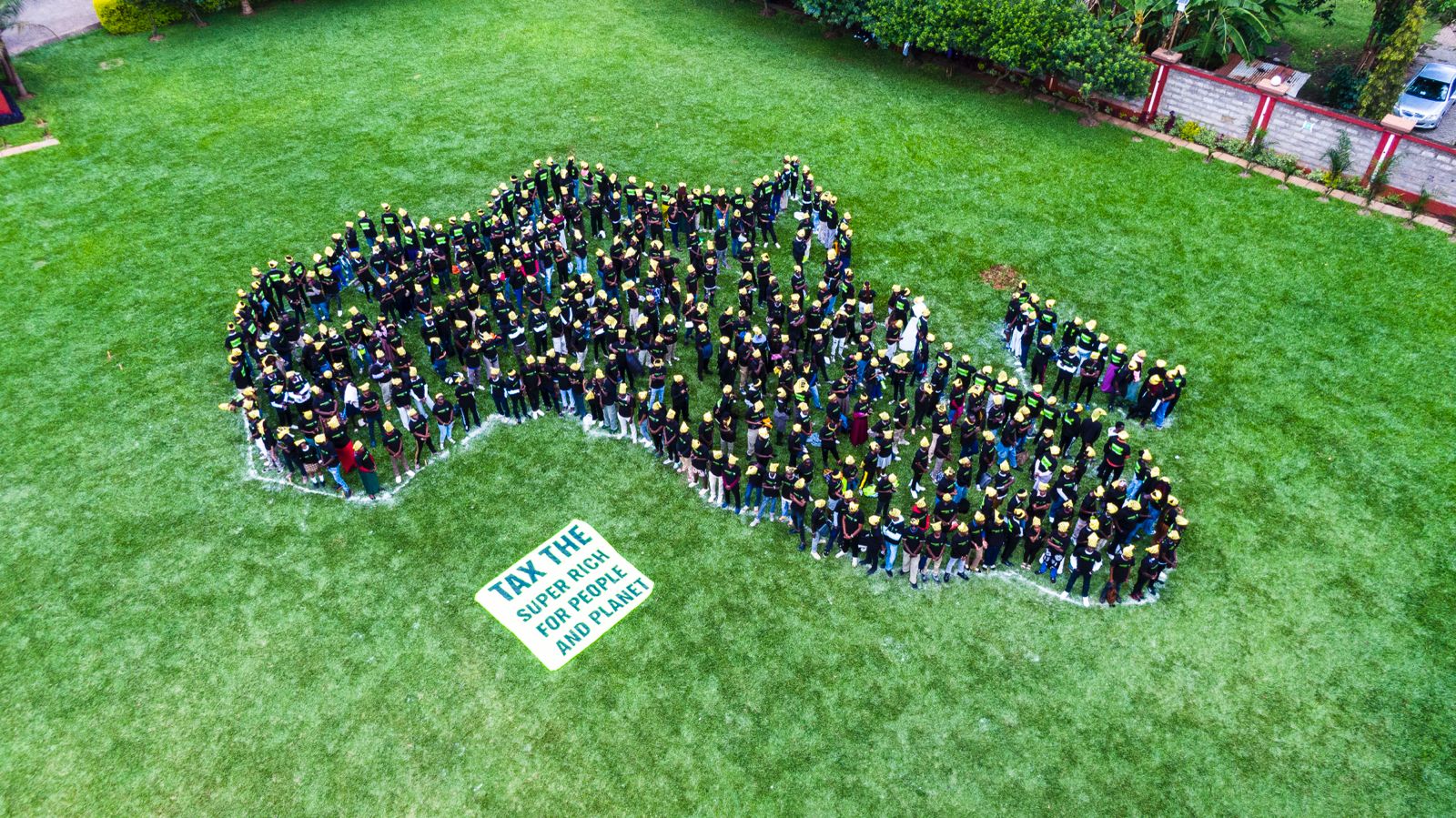
Nairobi, Kenya, November 10, 2025 — Hundreds of Greenpeace Africa volunteers formed a massive human banner shaped like the African continent, bearing the message “Tax the Super-rich for People and Planet,” as global tax reform negotiations opened in Nairobi. The demonstration coincided with the third session of the UN Tax Convention (UNTC), which campaigners say could be crucial in securing trillions in new funding for climate action, nature protection, and sustainable development.
The UNTC’s third round of talks (INC-3), taking place from November 10 to 19, aims to develop a binding international tax framework that ensures fairer global revenue distribution. The negotiations come at a time when countries are grappling with how to bridge the climate finance gap ahead of COP30 in Belém, Brazil, where discussions are ongoing about mobilizing at least US$300 billion annually by 2035 scaling up to US$1.3 trillion in public finance to meet global climate goals.
Greenpeace International’s policy expert and head of delegation, Nina Stros, described the current tax system as “outdated and unjust,” allowing billionaires and polluting corporations to avoid their fair share while driving the climate crisis. She called for strong commitments from governments to tax polluting industries and the ultra-wealthy, saying such measures would “benefit the majority of countries, especially in the Global South.”
Fred Njehu, Fair Share Global Political Lead at Greenpeace Africa, said the world “is not a billionaire’s playground,” urging governments to stop illicit financial flows and end the under-taxation of oil and gas corporations.
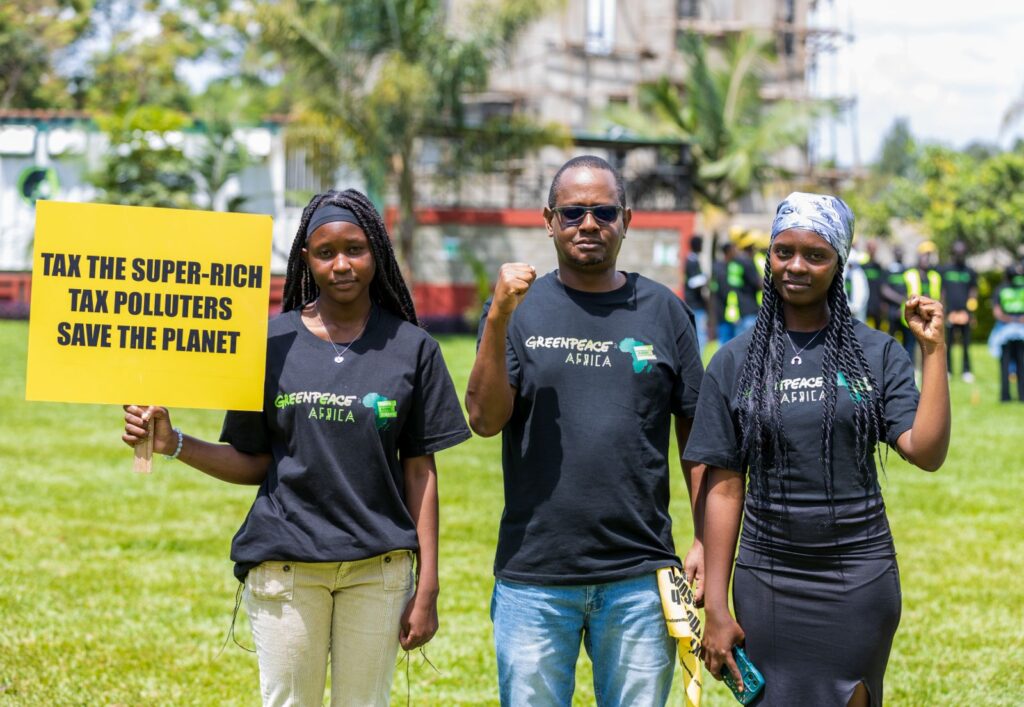
“It’s time to implement global taxes on billionaires and fossil fuel profits and channel these funds into public services and climate solutions,” he said.
Murtala Touray, Programme Director at Greenpeace Africa, emphasized that Africa initiated the call for a UN tax convention to address systemic inequalities in global finance. “Tax justice is not charity it’s a fundamental right and a matter of sovereignty,” he said, adding that fair taxation would empower nations to fund essential services and climate resilience.
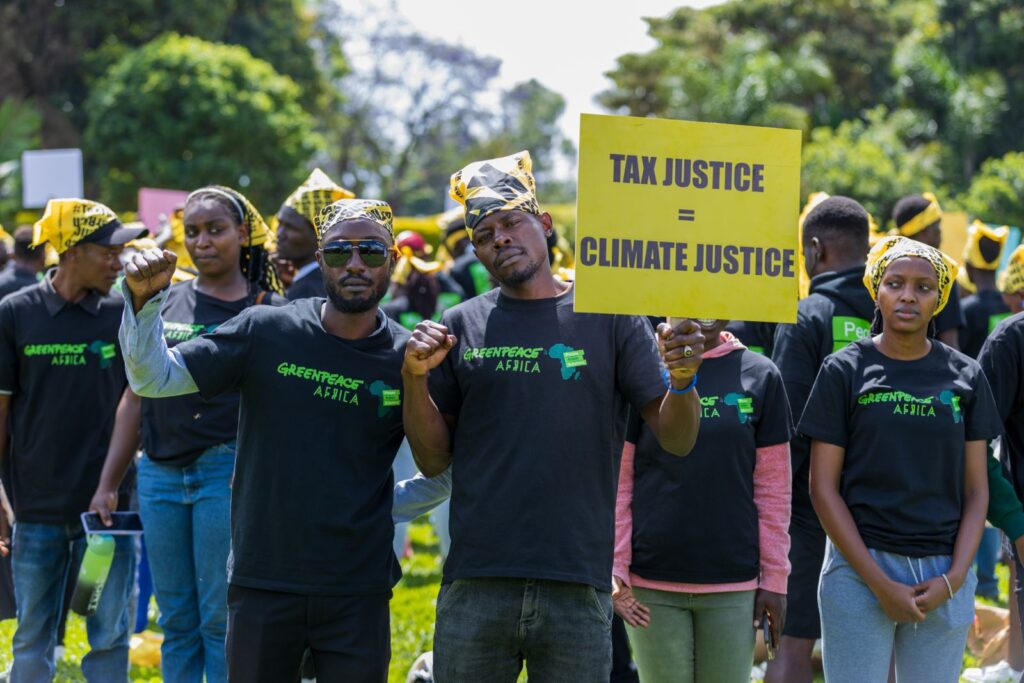
According to Oxfam and other reports, governments lose an estimated US$492 billion annually through tax avoidance by multinational corporations and the ultra-rich. A 5% wealth tax on billionaires could raise US$1.7 trillion yearly, while taxing fossil fuel company profits could generate US$400 billion in the first year funds that could significantly advance global climate and development goals.