

Non-Communicable Diseases Projected To Lead Morbidity Cause of Deaths in Africa By 2030.
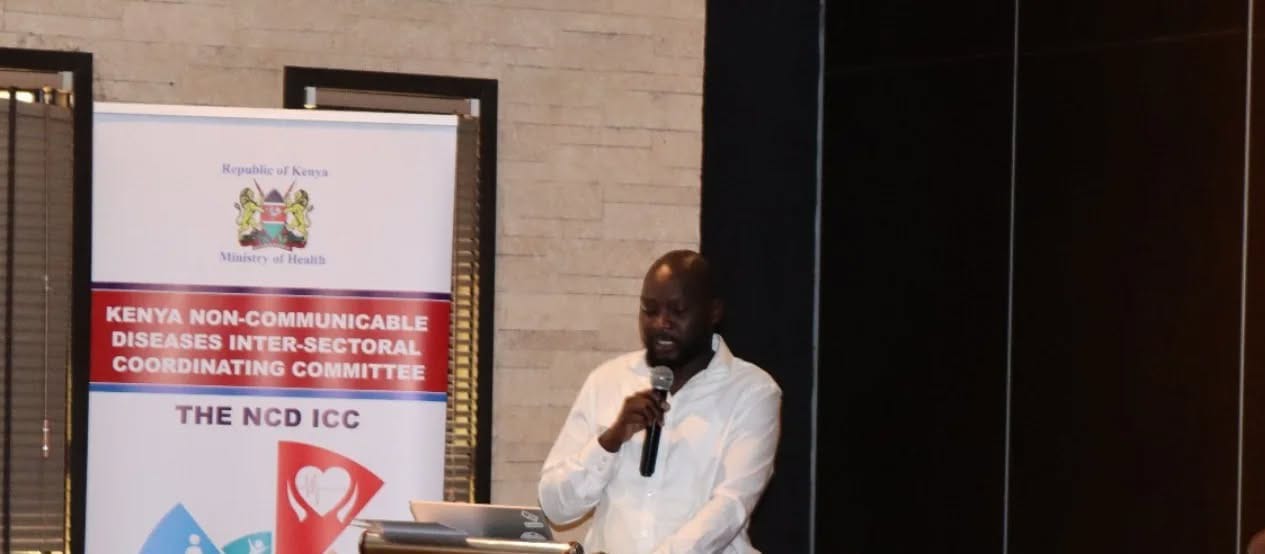
The World Health Organization (WHO) is concerned with a significant and rapid rise in non-communicable diseases (NCDs) across Africa, which poses a major challenge to already burdened healthcare systems in the continent.
Projection indicates that NCDs will become the leading cause of morbidity and deaths in Africa by 2030. While the proportion of all deaths caused by NCDs in the African region increased from 24.2% in 2000 to 37.1% in 2019, the absolute number of deaths is constantly rising rapidly.
According to WHO African Region, in 2019, the continent region already had the highest proportion of premature NCD deaths at 64% which occurred to people before the age of 70, compared to the global average of 42%. The leading NCDs driving this trend are; cardiovascular diseases, cancers, diabetes, and chronic respiratory diseases.
A major epidemiological shift of deaths from NCDs in Africa are projected to exceed those caused by communicable diseases, maternal and perinatal conditions and nutritional diseases combined.
The NCDs Situation in Kenya
According to Gideon Ayodo, Programme Manager NCD Alliance Kenya, the NCD burden is rising significantly, causing a half of deaths and over half of hospital admissions, with cardiovascular diseases, cancers, and diabetes being the leading causes. This burden is driven by urbanization, changing diets, reduced physical activity, and an aging population.

According to National Council for Population and Development, in Kenya about 1 in 4 of the global NCD-related deaths takes place before the age of 60. This means many people are infected at their productive age thus reduced household income by 28.6%.
Again, NCDs contributed to an economic loss of KES 230 billion thus medical expenditure and indirect loss of productivity in 2016 to the country. They were associated with 23.1% reduction compared to households affected by communicable diseases.
The WHO Africa Region projects the rise of NCDs to cost KES 607 billion in 2030 if no proper interventions are put in place. There is need for essential information to inform policy geared towards halting and reversing this burden of non-communicable diseases.
According to STEPwise Survey, increased NCDs like obesity, overweight, diabetes especially in urban areas have infected 53% of women and 25% men aged between 20-49. In the rural areas, it has infected 39% of women and 14% of men both aged 20-49.
The survey found out that approximately 25% of adult population add salt, or salty sauces to their food before eating. About 84% always add sugar when cooking or preparing food and beverages at home like in tea, juices, salads among other food items.
While about 40% of households use saturated fats when preparing food to families.
There is also high prevalence of dental caries among children aged 5, 12 and 15 years old at 23.9%, but much higher in 5 years-old children at 46.3%.
The rising rates of obesity, overweight and diabetes is in among adolescents aged between 10-19 and children at 3%. The rise of these NCDs among adolescents and children is due to low nutrition literacy levels, marketing of ultra processed foods and urbanization influencing the shift of food behaviours.
“In Kenya nowadays consumers depend on processed and pre-packaged food products with lots of fats, sugar and salt from supermarkets. In fact, most consumers will order or purchase food online and delivered at their doorsteps meaning eating unhealthy foods at comfort of their homes or working stations at expense of their health,” Ayodo noted.
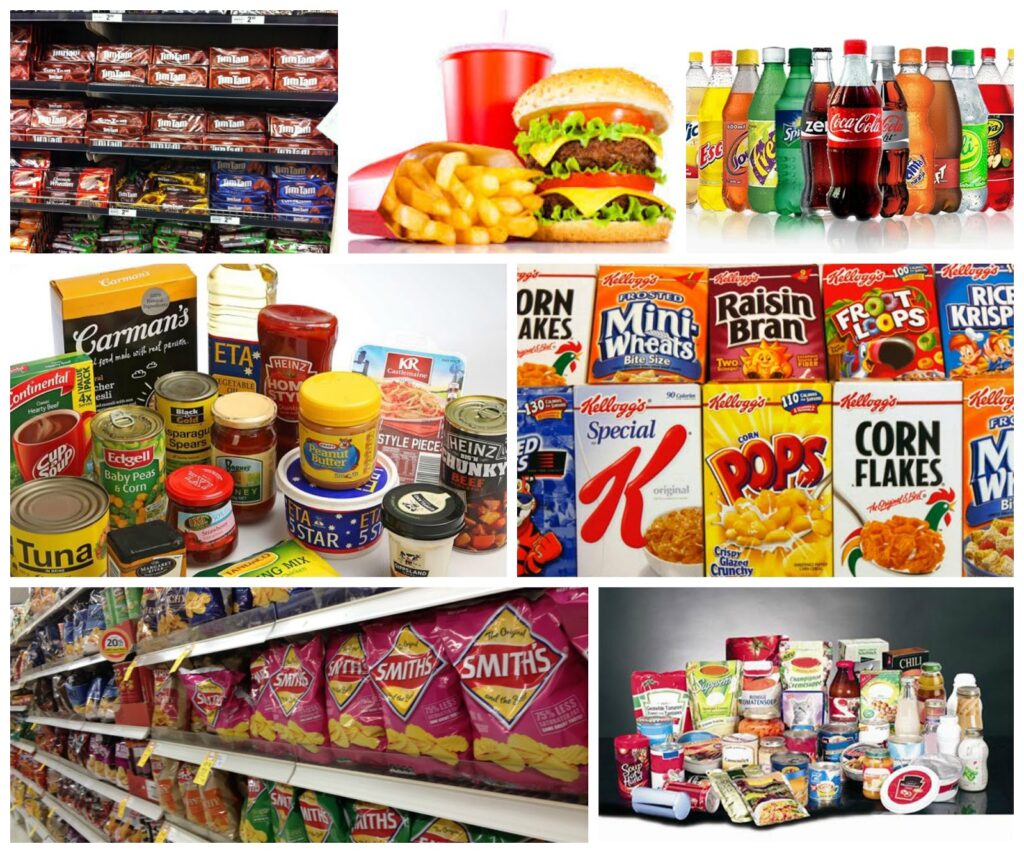
The middle-class boom in many African cities have inevitably resulted in several lifestyle changes with urbanization but one thing is that it is proving particularly dangerous to health.
Imagine of processed and ready-made fast- selling food items like; hamburgers, french fries, pizza, and chicken sandwiches, which are consistently popular and can be found at numerous restaurants worldwide.
In the Kenyan market, some examples of profitable, fast-selling foods include homemade ice cream, roasted meat, fried chicken, chips, fruit salad and milk bars. But it is a habit that could prove costly on the long-term. For instance, diet choices and nutrition in urban Kenya nowadays are from supermarkets.
Shopping in supermarkets “significantly increases” body mass index (BMI) due to a higher consumption of processed and highly processed foods. Across the continent, the rise of fast-food chains is having a similar effect on increasing overweight and obesity levels and more so among adolescents.
While supermarkets cannot solely be blamed for the rise in obesity in developing countries, but they influence dietary habits to a significant extent.
Risk Factors Associated with NCDs Burden
Ayodo, Programme Manager NCD Alliance Kenya, says the main risk factors for the growing burden of NCDs are; tobacco use, unhealthy diets (high in salt, sugar, and fat), insufficient physical activity, the harmful use of alcohol, and air pollution.
He revealed the greatest effects of NCDs risk factors fall increasingly on low-and middle-income countries, and on poorer people within all countries, mirroring the underlying socioeconomic determinants.
He regretted that African countries have fragile health systems, inadequate surveillance, insufficient access to essential NCD medicines, and a shortage of trained healthcare workers. This contributes to late diagnosis, prevention or treatment worsening situation hence more premature deaths.
Ayodo said it is unfortunate the upsurge of NCDs is specifically related to diet and poor lifestyle practices that pose a long-term threat to one’s life. He explains poor lifestyle practices are modifiable risk factors for NCDs.
“In Kenya, about 1 in 4 of the global NCD-related deaths takes place before the age of 60. NCDs to a large extent are caused by four behavioural risk factors that are pervasive aspects of economic transition, rapid urbanization and 21st-century lifestyles: tobacco use, unhealthy diet, insufficient physical activity and the harmful use of alcohol,” Ayodo revealed.
He stated NCDs is posing a growing threat to public health and financial burden to families and governments in terms of its management. This is because NCDs usually have a prolonged course of illness and are rarely completely cured.
“Unfortunately, NCDs can affect anyone regardless of their gender, age, class, culture, religion, or country. But it’s more prevalent in older people and some regions than others. For instance, cancer, diabetes, cardiovascular diseases, and chronic respiratory diseases are making their presence felt in Africa’s diverse societies,” Ayodo emphasized.
“Compared to communicable diseases like HIV/AIDS and malaria, NCD prevention and control efforts have historically received less attention and funding in Africa,” Dr Karekezi blamed Africa governments for underinvestment on NCDs.
“Weak health systems and lack of funding for non-communicable diseases, Africa faces a “double burden” of disease. Countries must combat the traditional challenges of communicable diseases while simultaneously addressing the growing threat of NCDs,” Dr Karekezi suggested. These strains on already limited resources, hinders progress on both fronts,” she added.
Urbanization Eroding Traditional Food Cultures
According to Catherine Karekezi, Executive Director NCD Alliance Kenya, the dramatic increase in NCDs in Africa is primarily attributed to socioeconomic and lifestyle changes owing to urbanization and globalization. The process of urbanization is part and parcel of the process of globalization influencing socio-cultural norms.
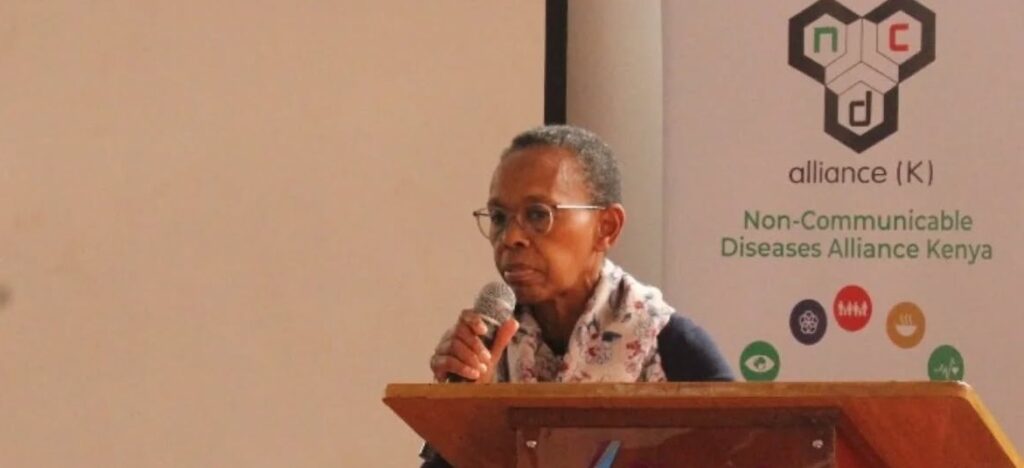
Dr Karekezi clarified industrialization has led to increase in urban migrations from upcountry culminating to globalization. The number and areas of various cities in the world are growing as a result of globalization and migration of people from rural areas.
Globalization is important as it increases the size of the global market, and allows more and different goods to be produced and sold for cheaper prices. However, it presents significant disadvantages to the meaning and practice of diet by eroding traditional food cultures, decreasing dietary diversity, worsening food insecurity for vulnerable populations, and contributing to the global spread of poor health.
She admits globalization is by no means universal, but it has led to dietary shifts away from diets high in fiber and cereals, towards diets high in sugar, refined carbohydrates, fat and animal products. Many populations in developing countries struggle to find or afford nutritious food, like fresh fruits and vegetables.
Dr Karekezi on point about NCDs.“For instance, globalization has accelerated the shift from traditional, often plant-based diets, to what is known as the “nutrition transition.” This is characterized by increased consumption of calorie-dense, highly-processed foods rich in fats, sugars, and salt,” Dr Karekezi pointed out.
Look at the online and supermarket shopping, an offshoot of rapid urbanization has resulted to local residents eating higher amounts of processed pre-packaged foods than fresh foods typically found at traditional markets.
The trend has interconnected economies, societies, and cultures across national borders, driven by things like easier international trade, investment, travel, and communication, making it feel like the world is “shrinking.”

“With globalization, the importance of distances is decreased and intercultural interaction is increased. With the increase in transportation, communication and marketing opportunities food also becomes global. And with the universalization of habits and trends, the local nutrition cultures of societies have gradually deteriorated,” Dr Karekezi explained.
Marketing and Advertisement Underlying Drivers of NCDs
Anne Swakei, Programme Officer NCD Kenya Alliance, said marketing and advertising act as powerful underlying drivers of NCDs by promoting unhealthy products, shaping social norms, and influencing consumer behavior
“The industries behind tobacco, alcohol, and ultra-processed foods (UPFs) spend billions on strategic campaigns that drive consumption patterns linked to obesity, diabetes, cardiovascular disease, and other NCDs,” Swakei cautioned.
She noted food companies use tactics for promoting unhealthy products consumption which are widespread, particularly targeting vulnerable populations such as children and adolescents. For example, they mostly use advanced digital and traditional methods, including cartoon characters, video games, and social media influencers, to create brand loyalty early in life.

“With advertisements, many consumers are getting attracted towards processed pre-packaged food items especially with high in fats, trans fats, added sugar, or sweetened beverages, and salt or sodium compared to non-marketed traditional foods in open air markets,” Swakei realized.
The dominance of multinational food corporations driven by global trade and marketing often supplants local food systems with a standardized, less nutritious model. Nutrition stands out with the socialization of health.
The widespread adoption of Western-style diets and more sedentary urban lifestyles has led to a global rise in obesity, Type 2 diabetes, and other diet-related NCDs, particularly in low- and middle-income countries in Africa.
The nutrition which was one of the basic requirements of sustaining life in the beginning, today it has gained various meanings with the development of humanity. It has become an inseparable part of life by affecting the culture over time.
Nutrition generally includes eating, the production, processing, preparation and consumption of food and beverages.
For instance, online and supermarket shopping, an offshoot of rapid urbanization has resulted to local residents eating higher amounts of processed pre-packaged foods than fresh foods typically found at traditional markets.
Because of availability and easily accessible ready to eat food products, many people have adapted sedentary lifestyles opposed to active existence. With regularly feeding on foods high in three nutrients of concern; salt, sugar and fat, probability of developing or accelerating dietary NCDs becomes very high.
Consequently, unwholesome or unnatural diets are becoming more common among families, households, and individuals compared to dishes with historical roots that reflect a culture’s identity, available ingredients, and practices, having been passed down through generations.