

ODPP, IJM Strengthen Prosecutorial Practice Through Decision to Charge Training
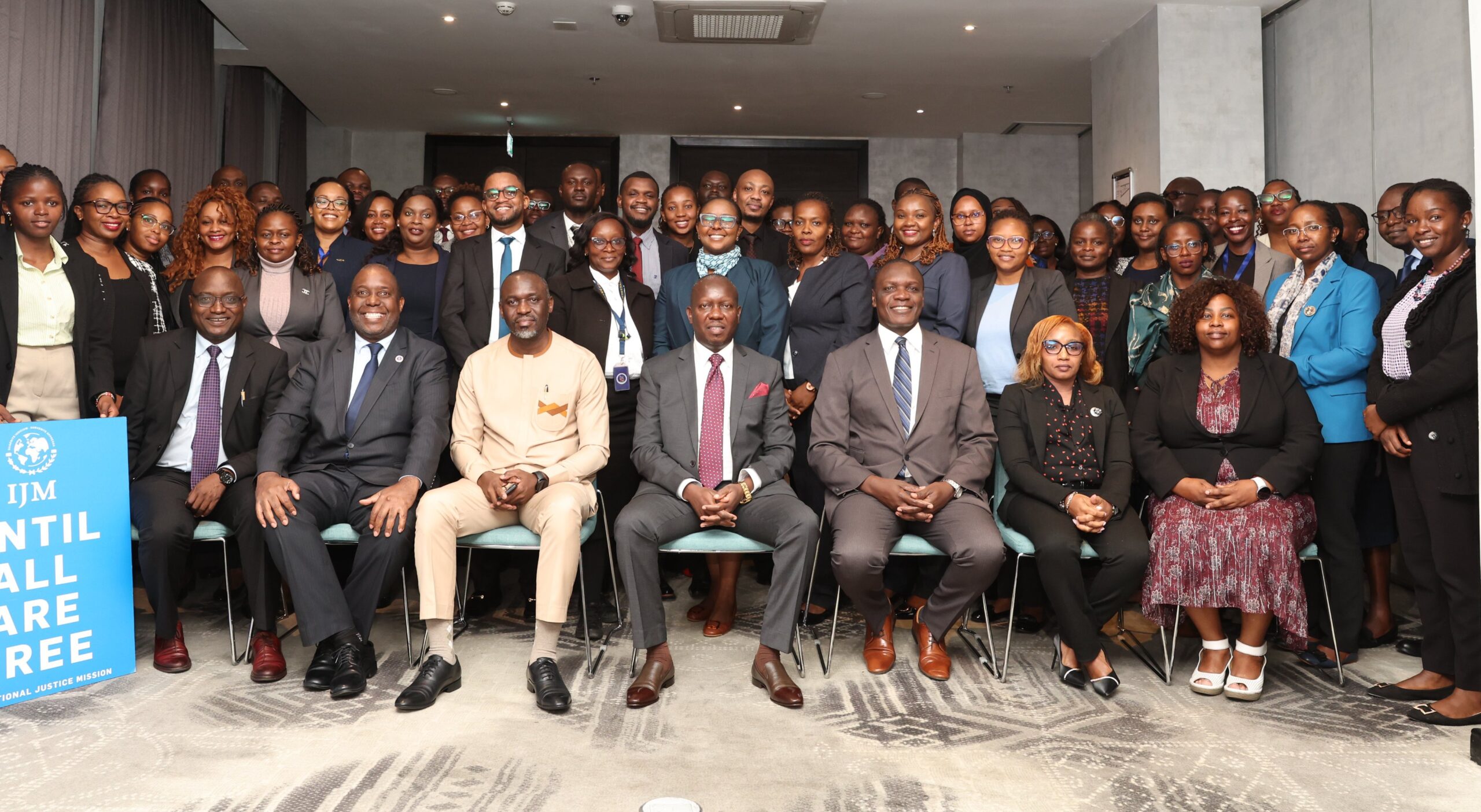
The Office of the Director of Public Prosecutions (ODPP) has reaffirmed its commitment to ethical, fair, and effective criminal prosecutions through a dedicated training on the Decision to Charge Guidelines, 2019 aimed at standardizing and professionalizing prosecutorial decision-making across Kenya’s criminal justice system.
Held in Nairobi, the session brought together prosecution counsel from the region, aimed at enhancing their capacity to make principled prosecutorial decisions. The ODPP hailed the continued partnership with the International Justice Mission (IJM) Kenya, with special appreciation extended to IJM Country Director Mr. Vincent Chahale, for his instrumental support in strengthening justice systems
The training provided an in-depth examination of the ethical and legal principles guiding the exercise of prosecutorial discretion. Prosecutors were equipped with tools to promote transparency, accountability, and public confidence in their decisions.
Director of Public Prosecutions (DPP) , Mr. Renson M. Ingonga, OGW, officially opened the training, stressing its importance in enhancing justice delivery and institutional integrity.
ODPP Boss Renson Ingonga Champions Ethical Prosecutorial Conduct During Nairobi Region Training on Charging Guideline
Speaking during the training, Renson Ingonga reaffirmed the ODPP’s commitment to justice, fairness, and accountability during a specialized training session on the Decision to Charge Guidelines, 2019, held for prosecutors in the Nairobi Region.
DPP Ingonga extended heartfelt appreciation to IJM Kenya and its Country Director, Mr. Vincent Chahale, for their consistent partnership and support in enhancing the country’s prosecutorial capacity.
In his remarks,DPP Ingonga emphasized the constitutional foundation of the ODPP’s work, highlighting Article 157 of the Constitution which mandates the office to operate independently and without external influence. He reiterated that the Decision to Charge Guidelines rooted in the Two-Stage Test of evidential sufficiency and public interest are central to ensuring that prosecutors make informed, impartial, and justice-driven decisions.
These guidelines, he noted, are not mere technical documents but the ethical and operational compass for every prosecutor tasked with safeguarding justice and public trust.
The DPP further linked the training to the ODPP’s 2023–2027 Strategic Plan, which envisions a modern, people-centered Prosecution Service grounded in professionalism, innovation, and public responsiveness. He called on prosecutors to embrace continuous professional development, adopt digital tools, and apply alternatives to prosecution such as Plea Bargaining and Diversion all integral to the Decision to Charge framework.
Quoting the late Chief Justice William Rehnquist, Ingonga reminded the participants that, “in the long run, there is no substitute for a justice system that both is and appears to be fair.” He urged prosecutors to uphold integrity and impartiality in their work, resist pressure or prejudice, and act always in the broader interest of justice.
IJM Country Director Mr. Vincent Chahale, reaffirmed the need for continued collaboration between justice sector institutions and civil society to strengthen Kenya’s legal system.
Senior Assistant Director of Public Prosecutions and Head of the Judicial Review Division Zachary Omwega, provided guidance on applying the DTC Guidelines in real-world scenarios.
He highlighted key legal tests evidential, public interest, and threshold that prosecutors must rigorously apply when deciding whether to charge a suspect. Omwega warned that poor charging decisions not only lead to judicial reviews but also undermine the ODPP’s credibility.
Acting Secretary of Public Prosecutions, Alloys Kemo, led several sessions, focusing on the conduct and principles that define a professional prosecutor. His presentations covered alternatives to prosecution, ongoing review of decisions to charge, and the critical role of fairness in the pursuit of justice. He reminded participants that prosecutors serve as “ministers of justice,” charged with upholding rights of victims, accused persons, and society at large.
Kemo also emphasized the use of diversion programs, plea bargains, and other non-custodial measures to reduce case backlogs, address root causes of crime, and promote rehabilitation. He noted that such approaches must align with restorative justice principles while protecting the rights of all parties involved.
Quoting D.A. Bellemare, Mr. Kemo stated “Prosecution is a lonely journey that tests character…We must be passionate yet compassionate, firm yet fair, and always guided by the law and the public interest.”
The training reiterated the importance of continuously reviewing prosecutorial decisions, as outlined in Section 5(4)(e) of the ODPP Act, ensuring justice remains adaptive and responsive to new developments.
By Sharon Atieno