

Kenyan Court Fails to Hold Government Accountable for HIV and TB Drug Shortages Advocates Decry Ruling on World TB Day, Vow to Appeal
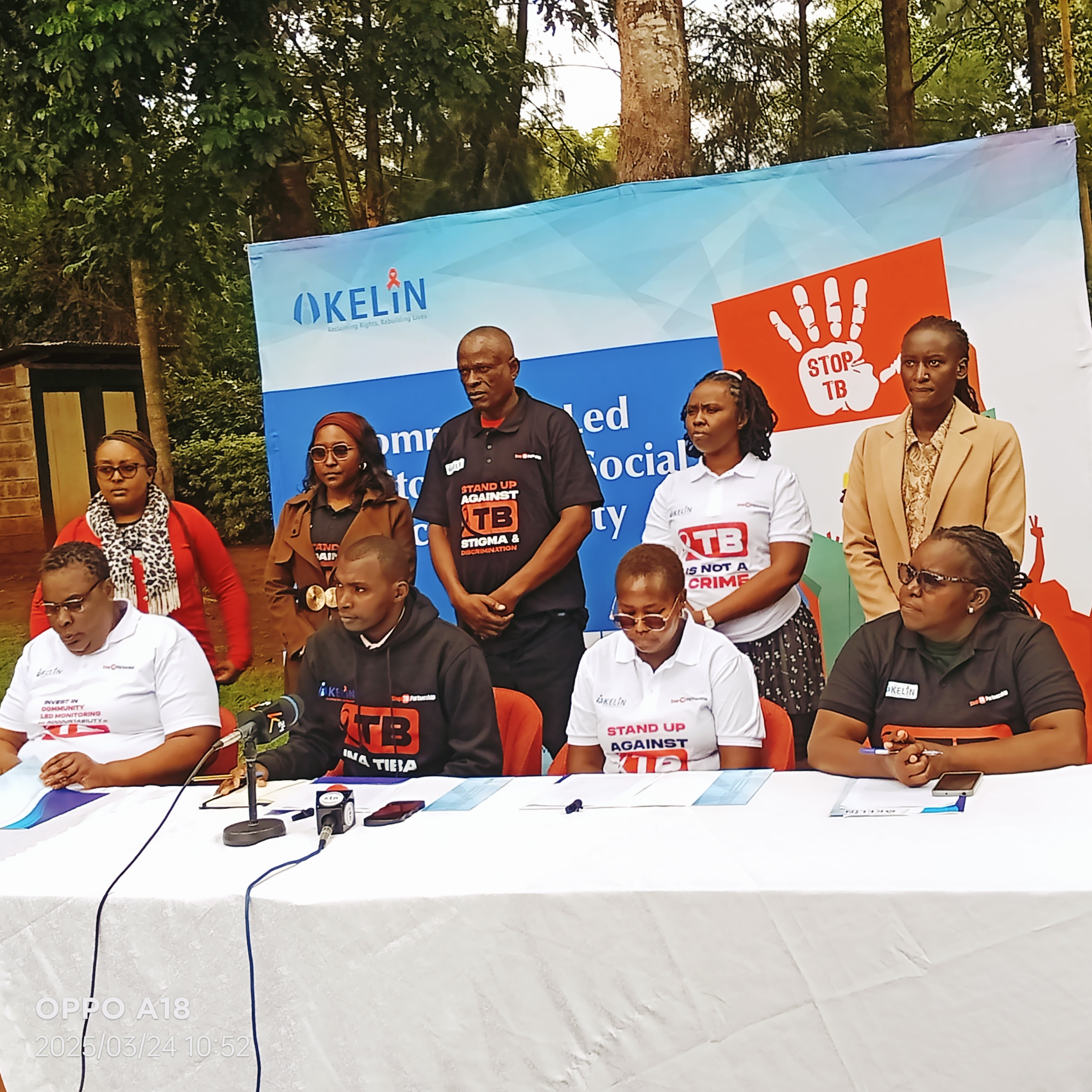
As the world marks World TB Day under the theme “Yes! We Can End TB Commit, Invest, Deliver,” Kenyan health advocates are confronting a stark judicial setback.
The High Court in Kisumu has dismissed a petition seeking to hold the government accountable for chronic shortages of HIV and TB medicines a decision that campaigners say threatens the lives of thousands of Kenyans.
The case, filed in 2023 by women living with HIV and supported by KELIN, the Network of TB Champions, AYARHEP, DACASA, and the Katiba Institute, sought to compel the government to address persistent stockouts of life-saving antiretroviral drugs (ARVs), viral load testing kits, and early infant diagnostic commodities.
The petitioners argued that these shortages—reported between 2021 and 2023—violated fundamental human rights and placed lives at risk.In their submissions, the petitioners detailed how procurement failures and corruption at the Kenya Medical Supplies Authority (KEMSA) led to critical drug delays. They presented evidence, including reports from government bodies and the media, linking stockouts to mismanagement and a procurement deadlock between the Ministry of Health, KEMSA, and USAID.
The court heard that shipments of HIV medicines were stuck at the Port of Mombasa for weeks due to inefficiencies, jeopardizing treatment for thousands of Kenyans.
However, in a disappointing ruling, the court dismissed the case, failing to hold the government accountable for its role in the crisis. Health advocates argue that this ruling sets a dangerous precedent, allowing government agencies to evade responsibility for their failures in providing essential healthcare services.
A Crisis Deepens Amid Foreign Aid FreezeThe judgment comes at a time when Kenya’s healthcare system is facing severe strain. The situation has worsened following recent U.S. executive directives to freeze foreign aid and stop USAID funding, affecting vital health programs.
This funding cut has exacerbated drug shortages, yet the Kenyan government continues to struggle with bureaucratic inefficiencies and financial mismanagement.A recent report by the Auditor General (2025) highlights deep-rooted corruption and lack of political will to safeguard the health of vulnerable citizens. Instead of addressing the crisis, health authorities have been slow to act, allowing inefficiencies at KEMSA to persist.
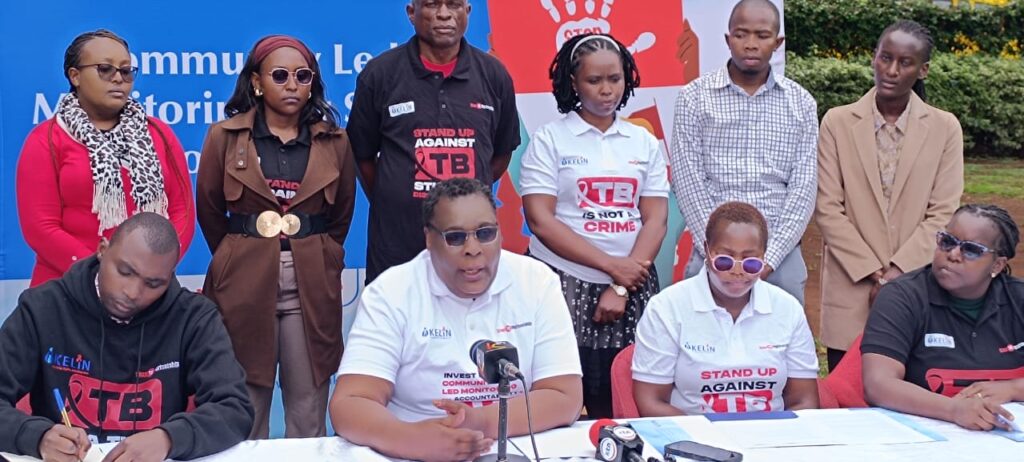
A Call for ActionHealth rights organizations are now rallying for an urgent appeal against the court’s decision. KELIN and its partners argue that the judiciary must play its role in upholding human rights, ensuring that no Kenyan is denied life-saving treatment due to government failures.”
The judiciary is the last line of defense when the government fails to protect its citizens. By dismissing this petition, the court has ignored the lived realities of thousands struggling to access treatment,” said a statement from KELIN.
Health advocates have laid out three key demands for the government:Commit – Fulfill constitutional obligations to ensure uninterrupted access to HIV and TB treatment.Invest – Increase domestic financing for HIV and TB programs to cover funding gaps left by international donors.
Deliver – Hold KEMSA accountable and implement urgent reforms to prevent further stockouts.The Fight for Justice ContinuesDespite this legal setback, activists and affected communities remain resolute. They vow to continue pushing for government accountability and healthcare reforms to ensure no Kenyan is left behind.
“Our dignity is not negotiable. Our right to healthcare is not optional. We will not stop fighting until justice is served,” the statement.