



The Moth Harnesses Storytelling to Drive Social Change, Promote Empathy
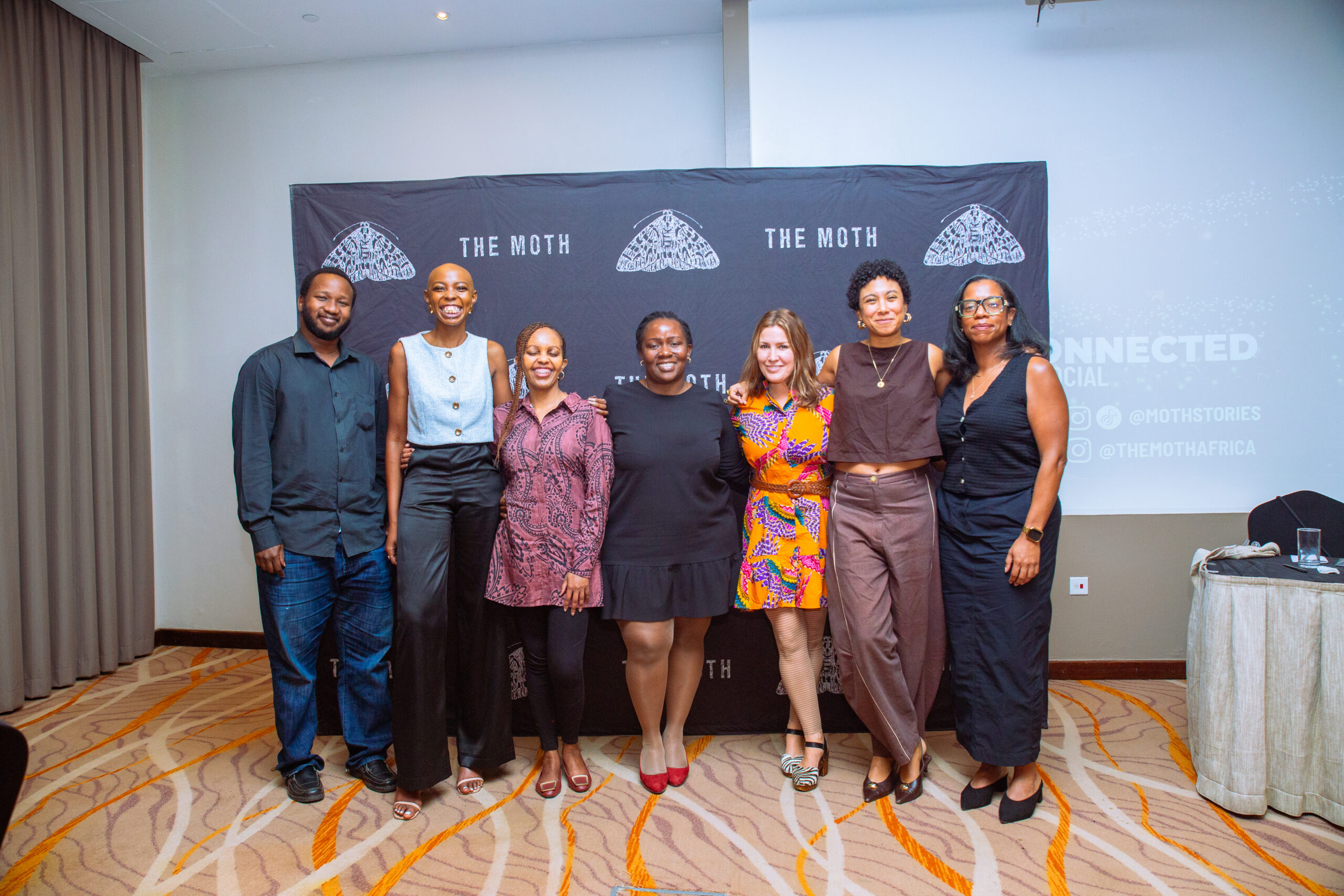
Stakeholders pose for a group photo during a media roundtable ahead of the seventh edition of The Moth Mainstage Nairobi, themed “Now or Never,” scheduled for November 7, 2026.Storytellers from Kenya and other African countries will take to the stage in Nairobi on Saturday to share personal experiences on HIV, tuberculosis, crime, survival and family responsibility, as The Moth seeks to harness storytelling to promote empathy, challenge stigma and inspire social change.
The seventh edition of The Moth Mainstage Nairobi, themed “Now or Never,” will feature five storytellers from Kenya, Uganda, Nigeria and Sierra Leone, sharing true stories drawn from their lives and experiences.
Speaking during a media roundtable ahead of the event, organisers said the platform provides an opportunity for people to share authentic personal narratives, connect with audiences and encourage conversations around issues that are often difficult to discuss.
The Moth Chief Executive Officer, Gina Duncan, described storytelling as a civic practice that can build understanding, strengthen communities and give visibility to experiences that might otherwise remain unheard.
She said the organisation was keen to expand its presence in Africa by working with local facilitators and drawing on the continent’s rich oral storytelling traditions.
Duncan noted that The Moth had established live shows in 29 cities globally, while its podcast had attracted 33 million downloads, demonstrating the reach of personal narratives across different audiences.
The organisation’s Executive Producer, Sarah Austin-Genese, said its Global Community Programme had reached more than 1,000 participants in over 80 countries, providing platforms for people to share their experiences and engage communities.
She cited Kenyan widowhood advocate Rosalind Orwa, whose personal story helped draw attention to the challenges faced by widows and contributed to the adoption of the 2023 United Nations Widowhood Resolution.
Austin-Genese emphasised the importance of ensuring storytellers were emotionally ready to share their experiences, encouraging them to speak from a place where they had gained perspective rather than exposing wounds they were not prepared to revisit.
Dr Michael Maina, a medical doctor and former Moth storyteller, said personal narratives could also influence policy by allowing people directly affected by social challenges to engage decision-makers.
He recalled joining the programme in 2020 while involved in advocacy around teenage pregnancies in Nairobi.
Through the platform, teenage mothers shared their experiences directly with policymakers, an engagement he said contributed to Nairobi County tripling its budget for adolescent sexual and reproductive health services.
“That’s when I realised The Moth actually works and it’s applicable,” he said, noting that personal accounts could help leaders understand the realities behind policy issues.
Adele Onyango, a former journalist, founder of Legal Clueless Africa and host of The Moth Mainstage in Nairobi for seven years, said storytelling encouraged audiences to appreciate experiences different from their own without rushing to judge.
Onyango, who joined the programme in 2018 and initially shared a story about grieving her mother, said listening with curiosity could broaden people’s understanding of the world.
“When you’re curious about someone’s lived experience, it opens you up further. It expands you,” she said.
The roundtable also highlighted the role of responsible storytelling in journalism, with speakers urging media practitioners to approach sensitive subjects with empathy and respect for the people behind the stories.
Maureen Amakabani, a Moth instructor, said journalists should avoid prioritising sensational content at the expense of the dignity and emotional well-being of those sharing their experiences.
“One of the things journalists can borrow is empathy, because sometimes the habit of baiting is that you want to tell the story that will clickbait, and you forget the human being,” she said.
Chloe Salmon, Editorial Director for The Moth Podcast and Radio Hour, said preparing personal accounts for live audiences involved listening, drafting, rehearsals and collaboration.
She explained that the process aimed to develop compelling narratives while preserving the storyteller’s voice and ensuring they remained comfortable with what they shared.
Macharia, who heads Ovacado and is involved in producing the Nairobi Mainstage, said the five storytellers would explore issues that affect individuals, families and communities, demonstrating how personal experiences can complement statistics and public reports.