

Election 2027: Stakeholders Sound Alarm Over Institutional Trust and IEBC Preparedness
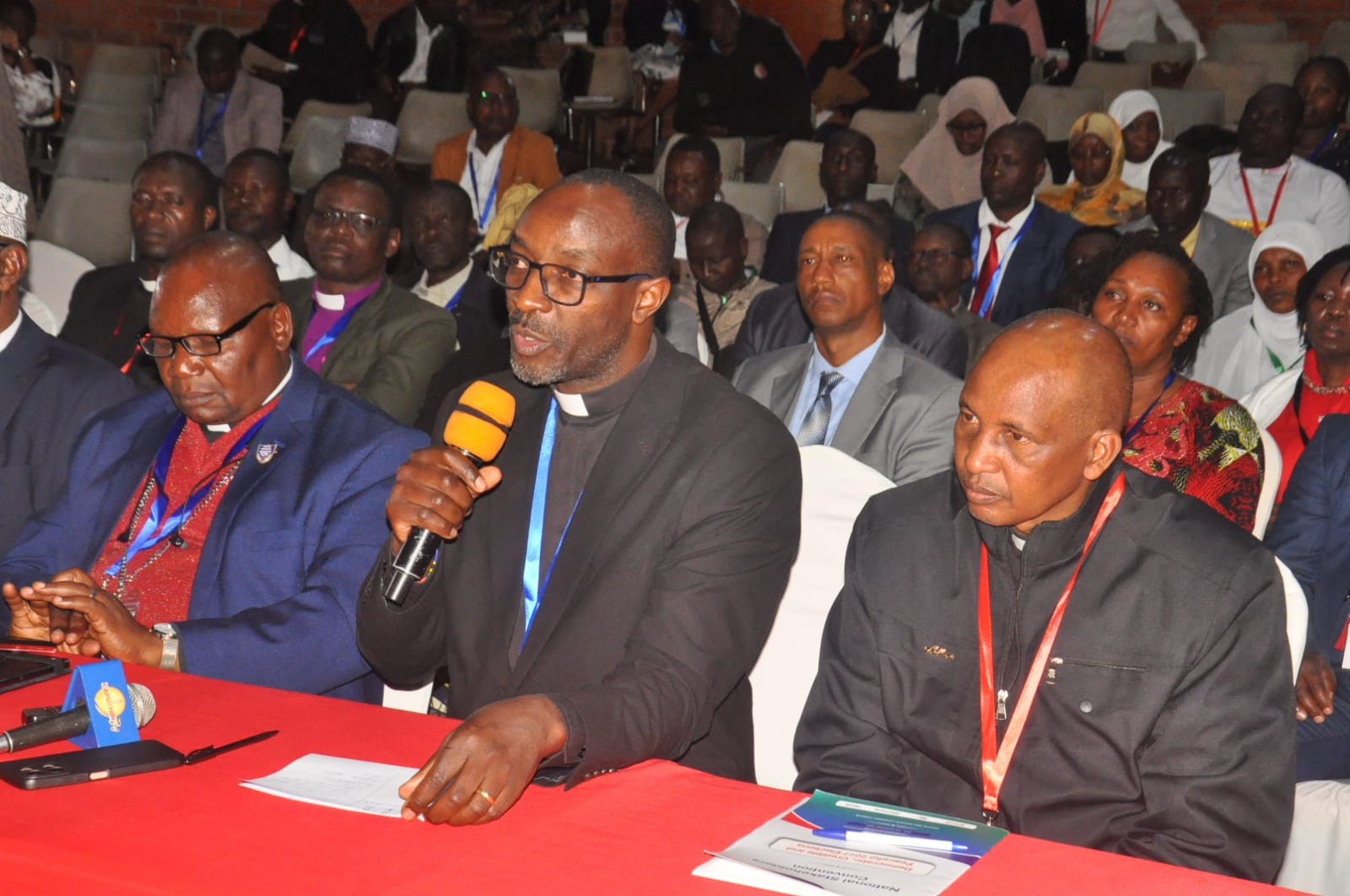
Religious leaders and human rights organisations have warned that political interference and declining public trust in Kenya’s independent institutions could undermine the credibility of the 2027 General Election, urging urgent action to address the concerns before campaigns begin.
At the centre of the concerns was the Independent Electoral and Boundaries Commission (IEBC), with stakeholders questioning whether it is sufficiently prepared to deliver free, fair and credible polls on August 10, 2027.
They warned that unresolved institutional weaknesses and a growing trust deficit could fuel disputes over the electoral process and deepen political tensions if not addressed early.
The stakeholders observed that previous election cycles have been repeatedly characterised by ethnic polarisation, political contestation, institutional challenges and declining confidence in electoral processes.
They cautioned that Kenya risks carrying these unresolved challenges into the 2027 election unless political and institutional actors take deliberate steps to rebuild public confidence.
The call for action extended beyond the IEBC.
Participants identified political parties, the National Police Service, the National Cohesion and Integration Commission (NCIC), religious organisations and civil society as key players in creating conditions for a credible and peaceful election.
They stressed that no single institution can guarantee a successful electoral process, arguing that cooperation among all stakeholders will be critical in addressing emerging threats.
Particular concern was raised over the independence of state institutions, with religious leaders and human rights groups warning that political interference—whether real or perceived—could further erode public confidence.
They called for greater transparency, accountability and impartiality from state institutions, insisting that bodies mandated to serve the public interest must be protected from partisan influence.
Political leaders were also challenged to change the tone and character of electoral campaigns.
The stakeholders urged politicians to prioritise issues affecting citizens rather than relying on ethnic mobilisation, hate speech and divisive rhetoric to gain political support.
They further called for sustained dialogue among political parties, religious leaders, civil society and state institutions to identify potential areas of conflict and resolve them before they escalate.
For the participants, the lessons of previous elections offer a clear warning: waiting until tensions peak before responding to electoral grievances could prove costly.
They instead advocated for early civic and voter education, stronger institutional coordination and continuous engagement with citizens to ensure that concerns surrounding the electoral process are addressed before polling day.
The first day of the convention ended with a sense of urgency.
Kenya still has time to strengthen its electoral institutions and rebuild public confidence, but stakeholders warned that the window for preventive action is narrowing.
The central question emerging from the discussions was no longer simply whether Kenya will hold elections in 2027.
It was whether Kenyans will trust the institutions, the process and ultimately the result.
As the convention moved into its second day, stakeholders were expected to build on the concerns raised and explore concrete measures for ensuring that the 2027 election is not only peaceful, but credible enough to command public confidence.