


Huawei, Kenya Push for Battery Storage to Stabilise Power Grid
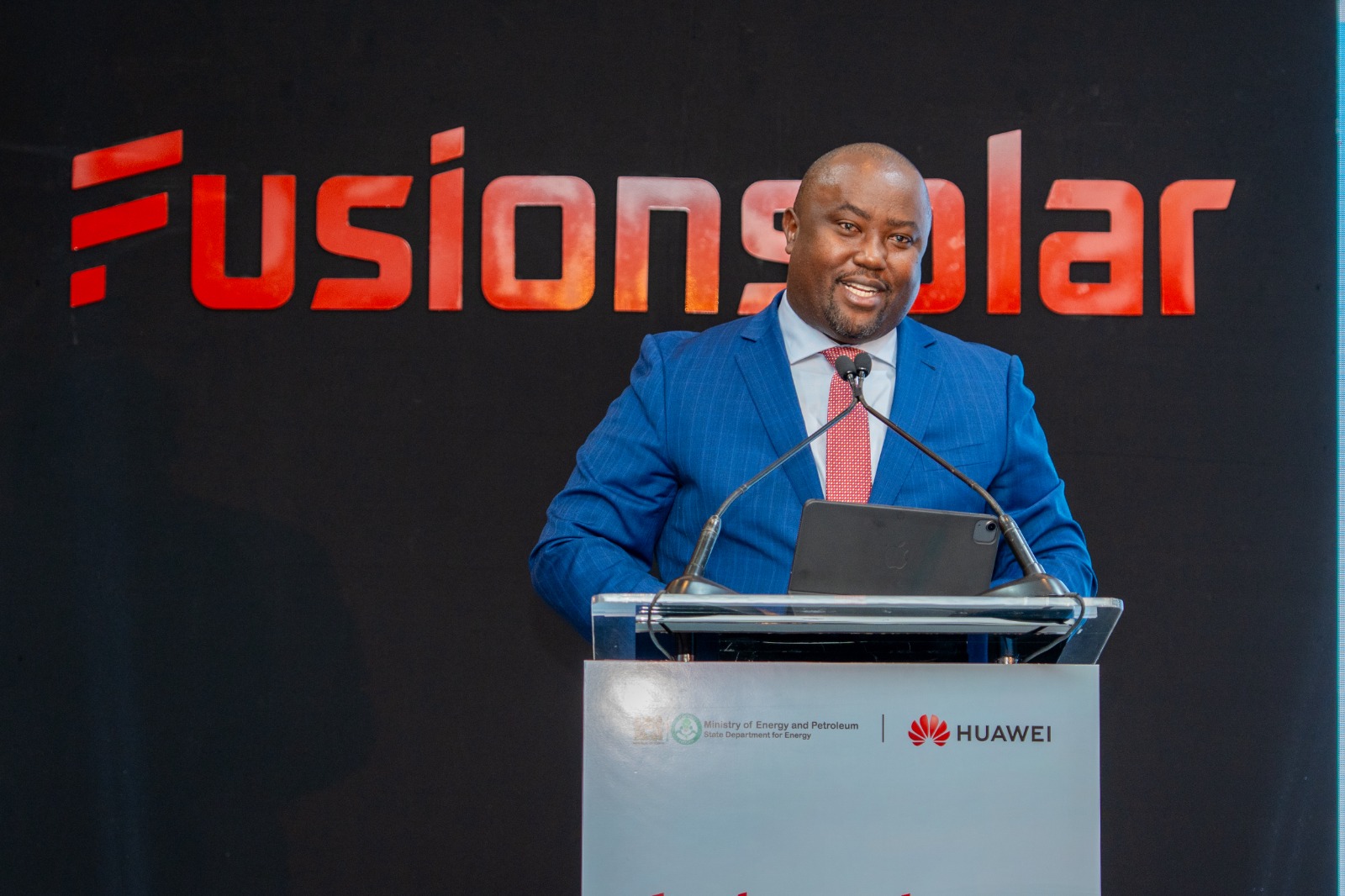
Alex Wachira, Principal Secretary State Department of Energy speaking during the Kenya Energy Transition Forum 2026 at the Radisson Blu Hotel, Upper Hill, Nairobi.
Huawei Kenya and the State Department for Energy are stepping up efforts to modernise Kenya’s electricity grid through battery energy storage and smart-grid technologies, as the country seeks to manage rising power demand, integrate more renewable energy and improve the stability and reliability of electricity supply.
The two partners convened the Kenya Energy Transition Forum 2026 at the Radisson Blu Hotel in Nairobi on Tuesday, bringing together government officials, energy sector players and technology experts to discuss Kenya’s energy transition and practical solutions for strengthening the country’s power system.
Speaking during the forum, Principal Secretary State Department of Energy Alex Wachira said Kenya’s growing electricity demand and increasing reliance on variable renewable energy such as wind and solar require the country to strengthen the flexibility, stability and resilience of its grid.
“The energy transition is therefore not simply about adding more renewable generation. It is also about modernising the electricity grid and transforming the way we plan, operate and manage the power system.”
Wachira said Kenya had recently recorded a new electricity demand peak of about 2,549 megawatts and could reach between 2,600 and 2,650 megawatts by the end of the year as new infrastructure and power projects come online.
He said battery energy storage could help bridge the gap between the country’s high evening demand and lower nighttime consumption, while reducing reliance on thermal generation.
Wachira estimates that Kenya could require about 1,000 megawatts of storage capacity to help meet the evening peak, making grid-forming energy storage an increasingly important component of the national grid.
For Huawei, the forum provided an opportunity to showcase its digital power technologies and deepen its engagement with Kenya’s energy sector.
Speaking during the forum, Huawei Kenya Deputy CEO for Public Affairs James Sun Quan said the company was committed to working with the government to address the technical challenges accompanying the country’s energy transition.
“Technologies such as grid-forming energy storage and smart grid solutions can help Kenya integrate more renewable energy while keeping the grid stable and reliable, and we look forward to continuing this partnership to deliver practical solutions for the country’s power sector.”
Huawei’s energy technology expert Kyle Zhang said Kenya’s transition would require more than simply adding solar and battery capacity, with greater attention needed on grid stability, efficiency, safety and the long-term performance of energy storage systems.
He said advanced battery systems can provide additional services including frequency regulation, peak management and grid support, helping the electricity system respond more effectively to changing demand and generation.
“Grid-forming technology is not only one typical issue. This is a necessary technology. We need this inside in Kenya’s market, from generation transmission to consumer side.”
Zhang also highlighted the role of artificial intelligence and digital simulation in monitoring large-scale renewable energy and battery installations, improving operational efficiency and identifying potential safety and stability challenges.
Huawei’s push comes as Kenya continues to position renewable energy at the centre of its electricity development, with geothermal, hydro, wind and solar providing the foundation for the country’s clean-energy transition.
But as more variable renewable energy enters the grid, stakeholders say modern storage and smart-grid technologies will be critical in ensuring that additional generation can be absorbed without compromising system stability.
Wachira urged industry players to move beyond discussions and focus on practical solutions that can be deployed at scale, supported by the investment, policy and regulatory frameworks required to unlock their potential.
He said Kenya’s renewable energy resources and growing technology ecosystem give the country a unique opportunity to position itself at the forefront of Africa’s energy transition.
For Huawei Kenya, the forum marks another step in its partnership with the government as the company seeks to support Kenya’s transition towards a smarter, more resilient and increasingly renewable-powered electricity system.

I am impressed with this web site, rattling I am a fan.