
Savannah Honey, Laikipia women’s groups strike deal to scale commercial beekeeping enterprises
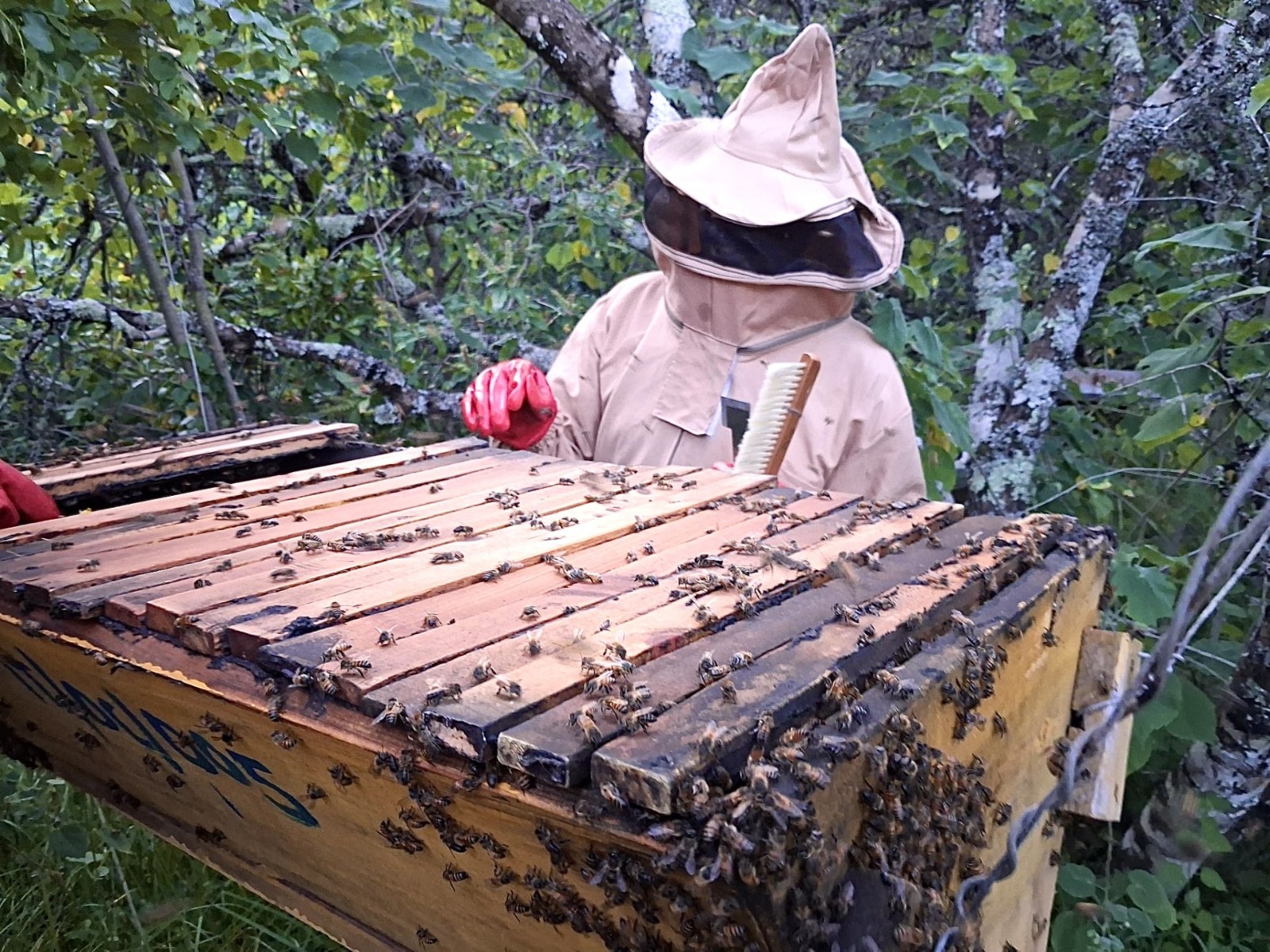
A new partnership in Laikipia County is set to transform smallholder beekeeping into a structured, market-driven enterprise, offering rural women new opportunities to earn sustainable incomes through climate-resilient livelihoods.
Savannah Honey Ltd has signed a five-year agreement with women’s producer groups in Laikipia under the Nurture Project, implemented by Swisscontact and funded by the Wyss Academy, to scale modern beekeeping enterprises across the county.
The initiative seeks to link smallholder producers directly to inputs, technical expertise and stable markets, shifting beekeeping from a subsistence activity into a commercially viable value chain.
Shifting from subsistence to enterprise
The partnership introduces a co-investment model where women’s groups are supported to build ownership of production assets while receiving technical support and training.
It is expected to help producers move towards structured micro-enterprises anchored on reliable market access, quality assurance and improved production systems.
“This partnership reflects a shift from supporting activities to building systems that work,” said Swisscontact Country Director Sharon Mosin.
She added that the model ensures women are integrated into functional markets, making livelihoods sustainable beyond the project cycle.
private sector drives market access
Savannah Honey said its role in the partnership is to strengthen market linkages and ensure quality consistency required for both local and international demand.
“We see significant potential in this partnership. There are strong local and international markets for a wide range of bee products,” said James Kimathi, Head of Partnerships and Marketing at Savannah Honey.
He noted that improved production capacity and quality standards would help meet growing demand while ensuring predictable incomes for producers.
Expanding value-added bee products
Beyond honey production, the groups are expected to diversify into higher-value products such as beeswax, propolis, pollen and royal jelly, opening additional income streams for rural households.
Participating women say the initiative is already changing their outlook on beekeeping as a business.
“We have always kept bees as a source of livelihood. Now we have access to training, better equipment and a reliable market,” said Jacinta Mungambo, a group chairlady.
She added that improved skills in value addition would significantly increase earnings and promote financial stability among members.
Climate resilience and rural transformation
Beekeeping is being promoted as a climate-smart enterprise due to its low land requirements, biodiversity benefits through pollination, and ability to provide year-round income.
The model is expected to strengthen both ecological sustainability and economic resilience in Arid and Semi-Arid Lands (ASALs), where communities face frequent drought and declining agricultural productivity.
Scalable model for ASAL counties
The partnership aligns with Kenya’s Bottom-Up Economic Transformation Agenda (BETA) and national climate adaptation priorities, offering a scalable model for rural enterprise development.
Stakeholders say the approach demonstrates how private sector engagement, structured value chains and women-led enterprises can drive inclusive growth while building resilience in vulnerable regions.