
Ebola Preparedness Plan Takes Center Stage in National Health Response
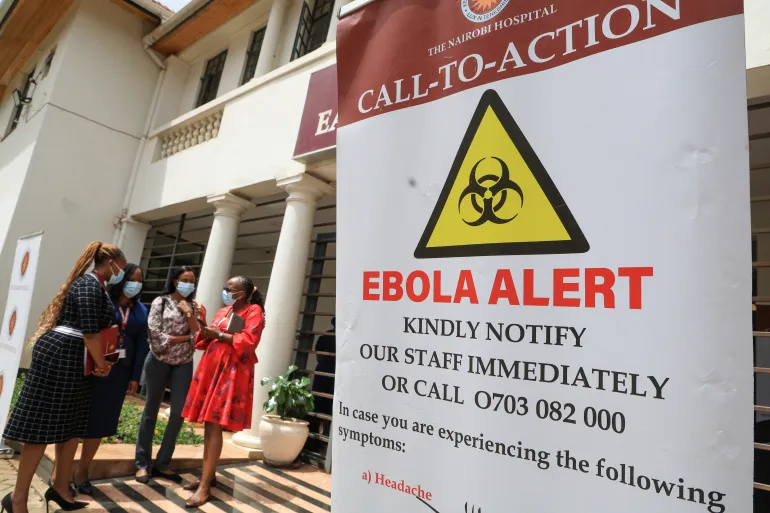
Kenya has activated an extensive Ebola Preparedness Plan, rolling out a nationwide strategy aimed at preventing, detecting, and containing any potential outbreak of the deadly virus. The government has strengthened surveillance systems, laboratory testing, border screening, emergency response coordination, and case management mechanisms amid growing concern over regional disease transmission.
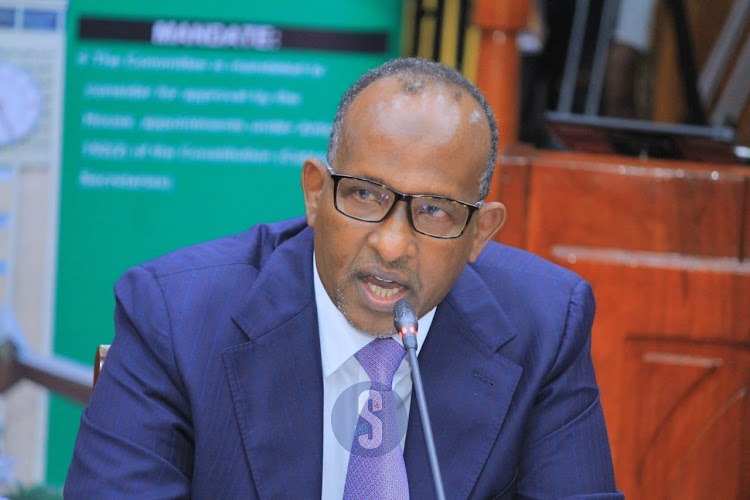
Health Cabinet Secretary Aden Duale announced the measures while addressing Parliament on Wednesday, emphasizing that the country is taking no chances as Ebola remains a significant public health threat in parts of East and Central Africa.
The activation of the Ebola Preparedness Plan comes at a time when thousands of Kenyans frequently travel across borders for work, trade, and humanitarian missions, raising concerns about possible exposure to the virus.
“Mr. Speaker, the Ministry has activated preparedness measures across all key response pillars,” Duale told lawmakers.
National Incident Management System Drives Ebola Preparedness Plan
At the heart of the government’s strategy is the activation of the National Incident Management System, a framework designed to coordinate preparedness efforts between the national government, county administrations, and development partners.
According to Duale, regular coordination meetings are being held to ensure all stakeholders remain aligned and prepared to respond swiftly should a suspected Ebola case emerge.
The Ministry of Health has also developed a comprehensive national preparedness and response framework, supported by a monitoring matrix that tracks activities, responsibilities, locations, and timelines.
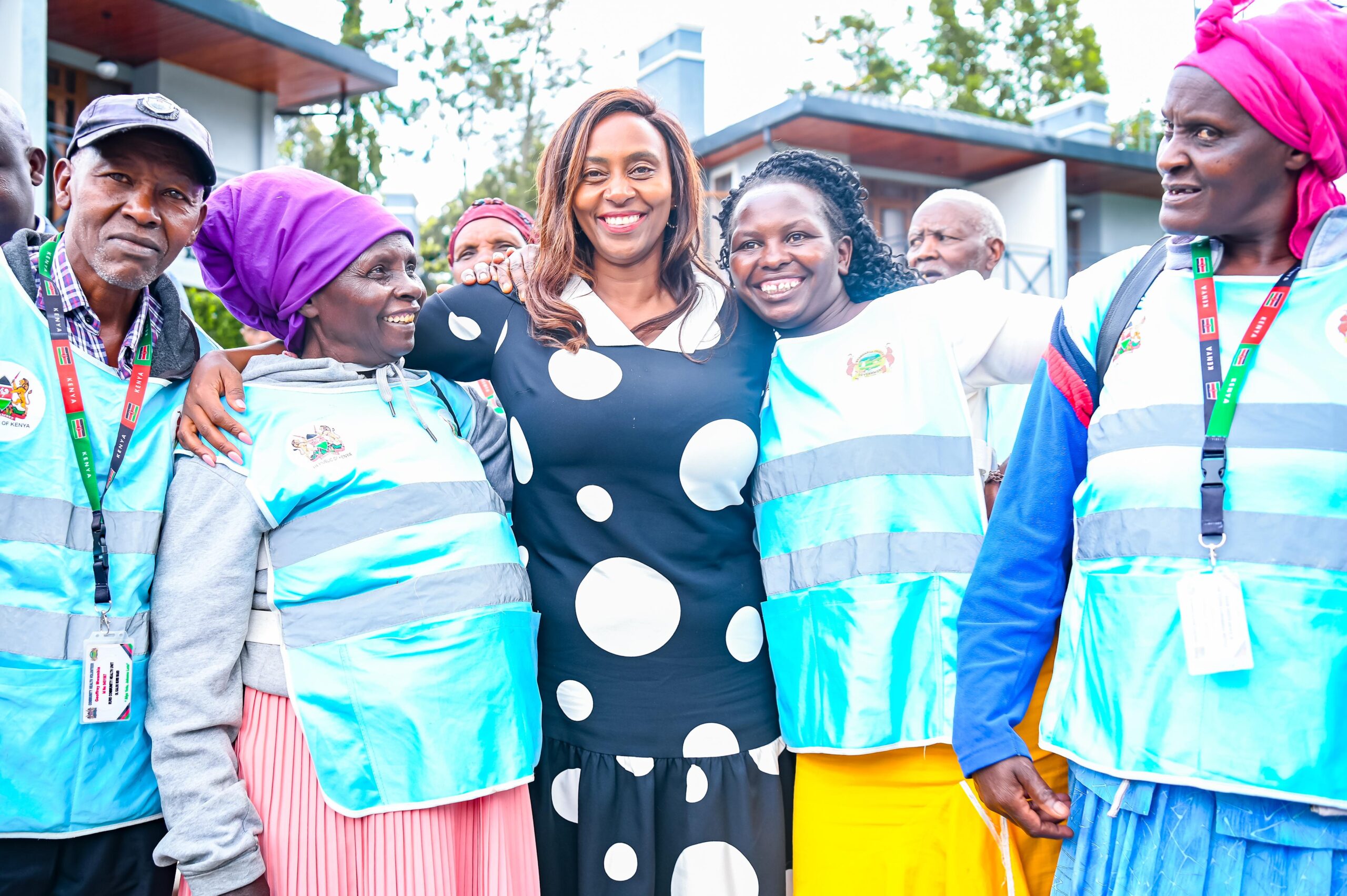
Officials say the system is intended to improve accountability while minimizing duplication of efforts among agencies involved in the response.
Ebola Preparedness Plan Strengthens Surveillance and Rapid Response
A critical pillar of the Ebola Preparedness Plan involves intensified surveillance across the country.
Health authorities have enhanced both facility-based and community-based monitoring systems to improve the early detection of suspected cases. Ebola case definitions have been distributed to all counties, enabling healthcare workers to identify warning signs quickly and accurately.
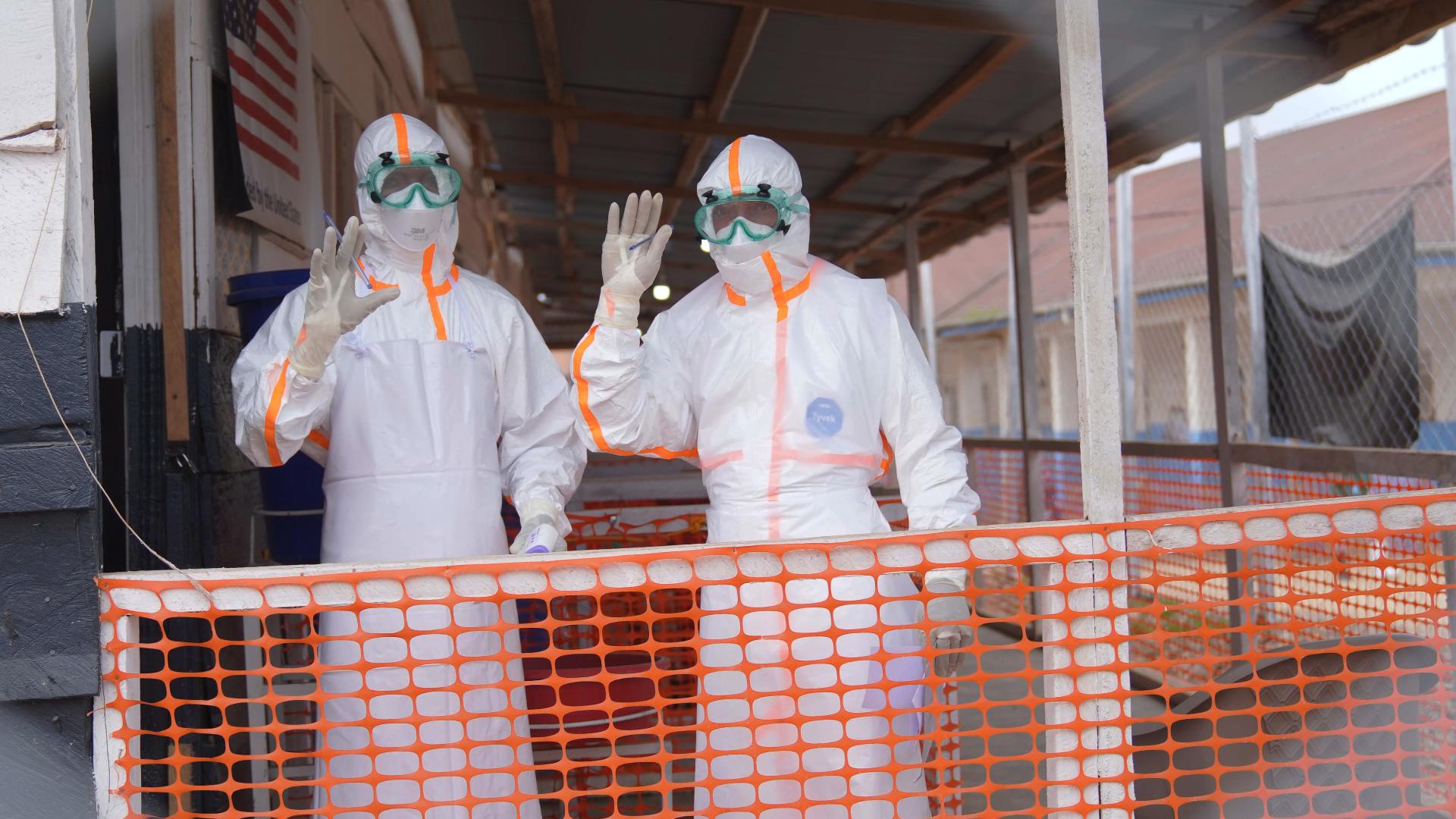
Rapid Response Teams have also been placed on 24-hour standby across the country.
In addition, county governments have been directed to identify and operationalize isolation centers, quarantine facilities, and holding areas that can immediately accommodate suspected patients.
Health experts say these preparations could significantly reduce the risk of community transmission if the virus enters the country.
Border Screening Intensified Under Ebola Preparedness Plan
The government has significantly tightened health screening procedures at airports, seaports, and major land border crossings.
Travelers entering Kenya are now subject to enhanced health declaration requirements, temperature checks, symptom assessments, and referral protocols where necessary.
Authorities are also reviewing and activating thermo-scanners, ambulance systems, and holding facilities at priority points of entry, including busy international airports and high-volume border posts.
Officials believe these measures will serve as a crucial first line of defense against imported infections.
Laboratory Capacity Boosted but Supplies Remain a Concern
As part of the Ebola Preparedness Plan, Kenya has designated four laboratories capable of conducting Ebola testing.
These include the National Public Health Laboratory, KEMRI Nairobi, KEMRI Kisumu, and a mobile laboratory deployed in Busia to serve border communities.
The facilities are equipped for advanced molecular diagnosis, enabling faster detection and confirmation of suspected cases.

However, Duale warned that while Kenya’s laboratory infrastructure is robust, available stocks of specialized testing kits, reagents, and personal protective equipment remain limited.
Current supplies, he said, are sufficient to support only about 200 suspected cases.
The revelation has sparked concern among lawmakers and health stakeholders, with calls for additional emergency funding and increased support from development partners to strengthen preparedness.
Regional Travel Raises Ebola Exposure Risks
The government has also highlighted the challenges posed by the movement of people across the region.
Thousands of Kenyans are employed in neighboring countries such as Uganda and the Democratic Republic of Congo, where disease outbreaks can pose direct risks to cross-border populations.
According to Duale, employees of regional businesses, financial institutions, and international organizations frequently travel between countries, potentially increasing the risk of exposure.
Particular concern has been raised over approximately 450 Kenyan personnel serving in peacekeeping missions in the Democratic Republic of Congo.
Should any of these individuals become exposed, Kenya would need adequate quarantine, isolation, and treatment facilities to manage the situation safely.
Ebola Preparedness Plan Aims to Keep Kenya Ebola-Free
Despite the heightened alert, the government has reiterated that no Ebola cases have been confirmed in Kenya.
Nevertheless, health authorities insist that vigilance remains essential as regional disease threats continue to evolve.
The activation of the Ebola Preparedness Plan reflects Kenya’s determination to remain ahead of any potential outbreak by investing in preparedness rather than reacting after infections emerge.
With surveillance intensified, borders under close watch, laboratories on standby, and emergency response systems activated, the government hopes to ensure that any suspected case can be rapidly detected, isolated, and managed before the virus has a chance to spread.
As health officials continue to monitor developments across the region, the success of the Ebola Preparedness Plan may prove critical in safeguarding millions of Kenyans from one of the world’s most dangerous infectious diseases.