
GSMA Africa Policy Group Pushes for Tax Reforms to Boost Digital Inclusion

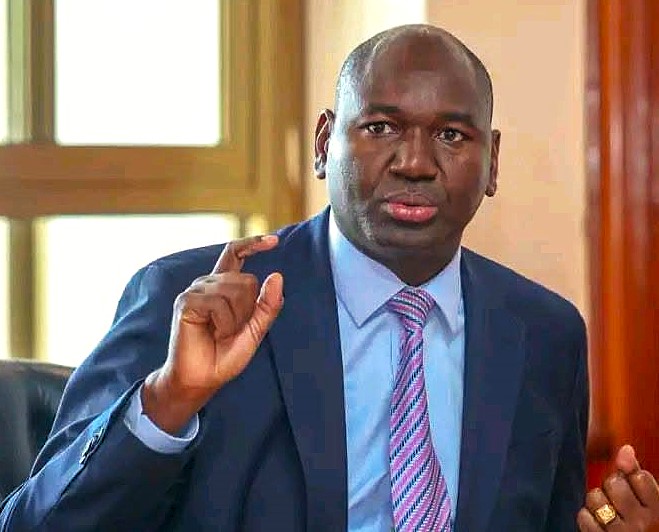
Mr. Daddy Mukadi Portrait
African governments have been urged to implement urgent tax reforms and recognise telecommunications as a key economic driver to accelerate digital inclusion and expand connectivity across the continent.
Speaking during the inaugural edition of the États Généraux du Secteur des Postes et Télécommunications in Kinshasa, Democratic Republic of Congo, Daddy Mukadi called on policymakers and industry players to reposition telecommunications as a foundational sector critical to Africa’s economic transformation.
“The telecoms sector can no longer be considered merely as a support sector. It is now a core sector,” Mukadi said, adding that sectors such as security, finance, transport and healthcare increasingly rely on digital technology for growth and efficiency.
The forum, convened to support the development of a strategic roadmap for the digital and telecommunications sector in the DRC, comes at a time when Africa’s digital economy continues to expand rapidly despite significant connectivity gaps.
According to the GSMA Mobile Economy Africa 2025 report, the mobile sector contributed US$220 billion to Africa’s economy in 2024, representing 7.7 per cent of the continent’s GDP. The contribution is projected to rise to US$270 billion by 2030.
However, despite mobile networks covering about 95 per cent of Africa’s population, nearly three-quarters of Africans remain offline, with affordability of smartphones identified as the leading barrier to digital access.
Mukadi called for policy and regulatory reforms aimed at making digital services and devices more affordable. He proposed a two-to-three-year exemption on import duties and taxes for entry-level smartphones priced between US$40 and US$150 to help bridge the digital usage gap.
He also advocated for the removal of import duties on telecommunications infrastructure and equipment for at least three years to support network expansion and improve connectivity across underserved regions.
According to Mukadi, such measures would help accelerate inclusive and sustainable digital transformation while connecting more individuals, businesses and communities to the digital economy.
“These measures would help deliver inclusive and sustainable digital technology for economic and social progress,” he said.
The GSMA Africa Policy Group Chair further stressed the need for stronger collaboration between governments and the private sector to create a regulatory environment that promotes innovation, safeguards consumer interests and encourages long-term investment in digital infrastructure.
The call comes amid growing efforts by African countries to expand broadband access, strengthen digital economies and leverage technology as a catalyst for socio-economic development.