
MECS Injects Million Into Kenyan Clean Cooking Startups to Accelerate Energy Transition
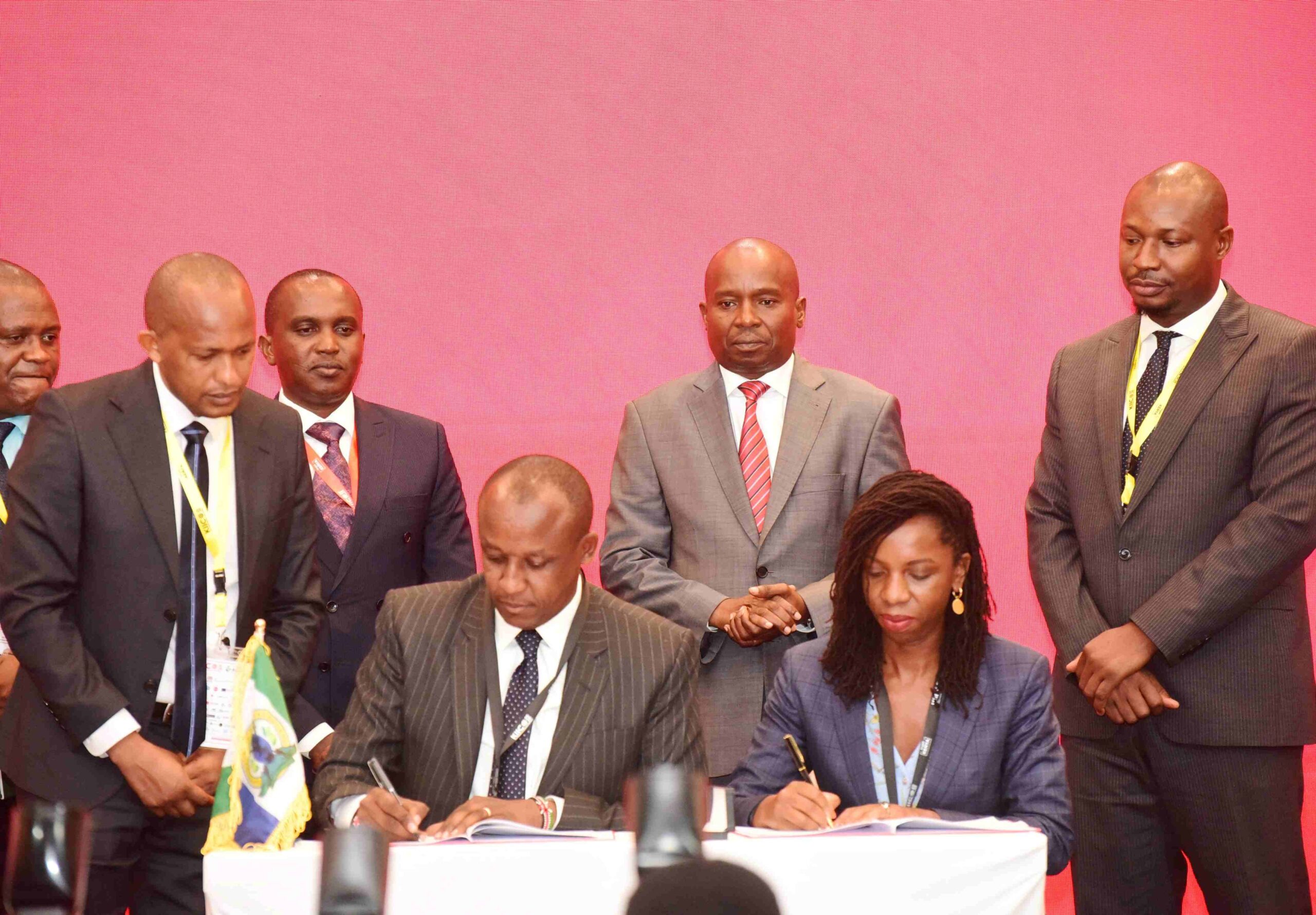
Deputy President Prof. Kindiki Kithure witnesses the signing of MoU To Unlock Clean Cooking Solutions For Public Institutions in Makueni.The signing is by Makueni Governor Mutula Kilonzo and Nyamolo Abagi, Director Clean Cooking at CLASP as government and CLASP officials look on.The partnership targets over 4,500 people across 63 vocational training centers cross Makueni County and coincides with the launch of Kenya’s first Institutional Clean Cooking Sector Pack, which identifies investment opportunity to transition over 100,000 institutions serving people to modern clean cooking solutions
Nairobi, Kenya, April 24, 2026 — The Modern Energy Cooking Services (MECS) has announced its investment targeting three Kenyan clean cooking innovators Ecobora, PowerUp, and Sun-Power Box in a move aimed at accelerating the adoption of sustainable cooking solutions across the country.
The funding forms part of MECS’ broader strategy to advance clean energy transitions in Africa by supporting locally driven innovations. The three ventures are expected to use the investment to scale affordable electric cooking technologies and expand access to clean energy solutions for households, schools, and institutions.
Sector experts say the initiative underscores the growing role of African-led innovation in tackling energy challenges. Nyamolo Abagi, Director of Clean Energy Access at CLASP and a member of the MECS Investment Committee, noted that investing in early-stage innovators is key to accelerating clean cooking adoption.
“Clean cooking is at a tipping point. Investing in innovators at the forefront of electric cooking is one of the most impactful ways to drive adoption and build a future where Africans can access cleaner, healthier, and economically empowering energy solutions,” Abagi said.
Ecobora, PowerUp, and Sun-Power Box have already established themselves as pioneers in developing locally manufactured, cost-effective electric cooking solutions. With support from MECS and capacity-building efforts by CLASP, the companies have been delivering solutions tailored to institutions and schools across Kenya.
Despite this progress, the clean cooking sector continues to face significant challenges. An estimated million of Kenyans and people across sub-Saharan Africa still rely on biomass fuels such as wood and charcoal, contributing to deforestation, health risks, and high household costs.
While electric cooking presents a cleaner and more efficient alternative, many startups struggle to access the financing needed to scale their operations. MECS’ latest investment seeks to bridge this gap by supporting research, testing, and validation, enabling the companies to strengthen their technologies and attract further funding.
The funding also signals a shift in financing models within the sector, with increased focus on de-risking early-stage innovation to unlock larger-scale capital investments.
The move builds on growing momentum in Kenya’s clean energy space, including recent partnerships such as the collaboration between the Makueni County Government and CLASP to accelerate the transition to clean cooking in public institutions.
As governments face mounting pressure to meet climate, health, and energy access targets, stakeholders say investments like this will be critical in unlocking scalable solutions.
MECS has called on impact investors, development finance institutions, and technology partners to support the sector, noting that increased capital and collaboration will be essential to fully realise Africa’s clean cooking transition.