

Food processors bet on technology to tap regional, global markets
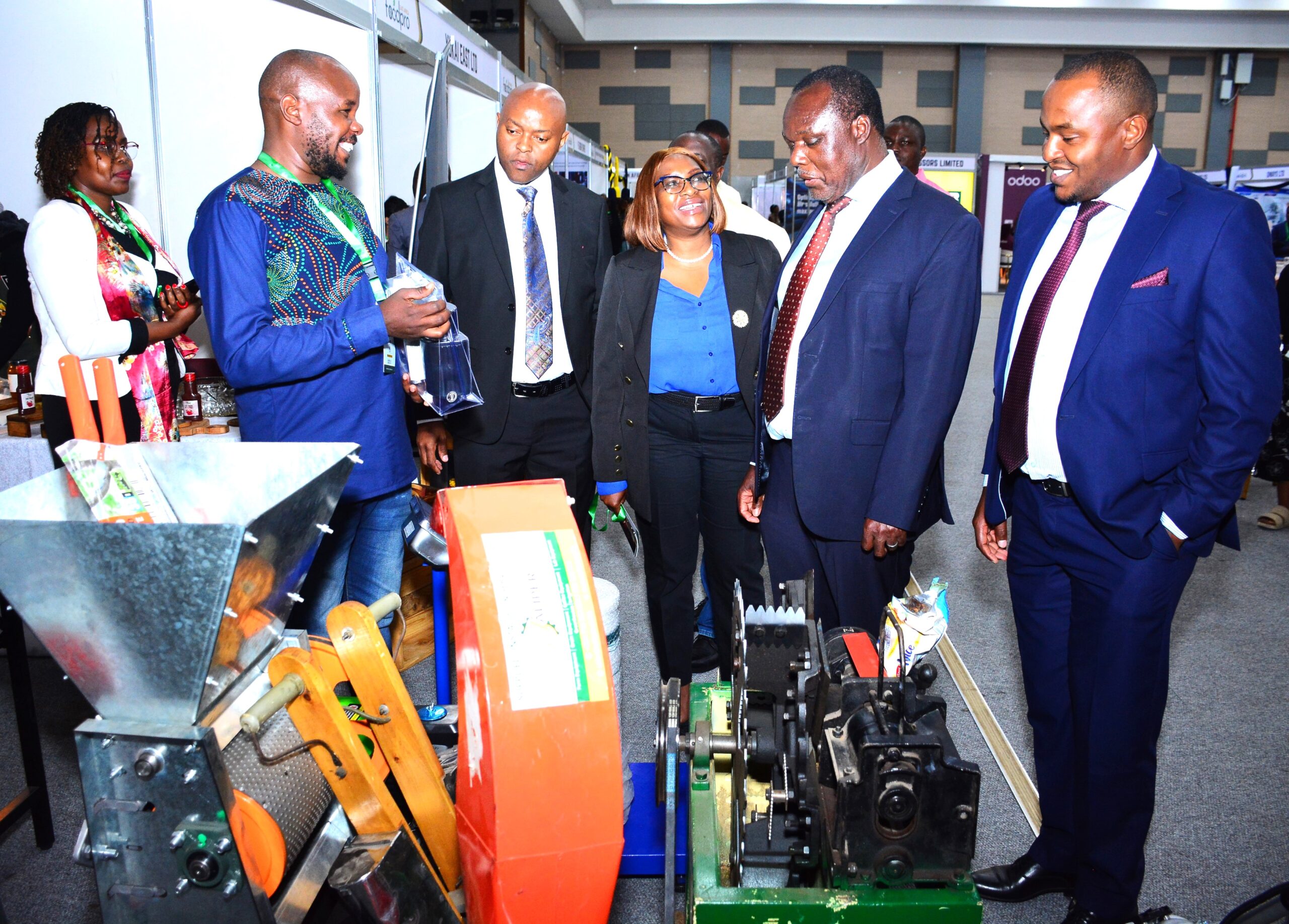
Food manufacturers are stepping up investment in technology, innovation and value addition as they seek to cut production costs, improve efficiency and tap into expanding regional and global markets.
The push is at the centre of the inaugural FoodPro East Africa 2026 exhibition at the Sarit Expo Centre in Nairobi, where manufacturers, technology providers, buyers, investors and other players across the food value chain are showcasing processing machinery, packaging solutions and production technologies.
The three-day exhibition, organised by the Kenya Association of Manufacturers (KAM) under the theme Industrialising East Africa Through Value Addition, comes as manufacturers seek to extract greater value from the country’s agricultural output.
Principal Secretary for Industry Dr Juma Mukhwana said Kenya must move beyond primary agricultural production and increase investment in processing and manufacturing.
“Kenya is an agricultural country, and we have been producing food year in, year out. The time has come for us to move to the next level of both primary and secondary production by adding value to our agricultural products so that we can compete in global markets,” Dr Mukhwana said.
Agriculture contributes about 26 per cent of Kenya’s gross domestic product, making increased processing a key avenue for expanding manufacturing and creating jobs.
Dr Mukhwana said technologies on display at FoodPro, including machinery for processing peanut butter, avocado and honey, demonstrate how enterprises can start with relatively small investments before scaling up their manufacturing capacity.
“We cannot become a developed country without manufacturing,” he said, adding that value addition would enable Kenyan products to compete more effectively in international markets.
Kenya’s expanding access to regional and international markets is also creating opportunities for manufacturers to increase production and develop higher-value products for export.
Dr Mukhwana cited trade arrangements and market opportunities under the Kenya-China Trade Agreement, the Economic Partnership Agreement with the United Kingdom, the Kenya-European Union Economic Partnership Agreement, the Kenya-UAE Comprehensive Economic Partnership Agreement, AGOA, AfCFTA, COMESA and the EAC.
Former KAM chairman and Capwell Industries chief executive Rajan Shah, however, warned that access to markets alone would not guarantee success unless local manufacturers improve their competitiveness.
“The world has opened up, and we are receiving products and raw materials from around the world, which have to compete with what is produced locally,” Mr Shah said.
He called for predictable tax and regulatory policies, improved logistics and a stable investment environment, arguing that investors make decisions over a 15- to 20-year horizon.
“Capital can manage challenges, but it cannot navigate through uncertainty,” he said.
Mr Shah also urged manufacturers to take advantage of new technologies to improve production efficiency, product quality and their ability to compete both locally and internationally.
KAM chief executive Tobias Alando said FoodPro East Africa was designed to move the industrialisation debate from policy discussions to practical solutions by connecting manufacturers with technologies, markets and potential business partners.
“Africa possesses immense agricultural resources, but the true opportunity lies not only in what we produce, but in what we do with what we produce,” Mr Alando said.
He said increased local processing would help deepen domestic supply chains, create skilled employment and enable African businesses to capture a larger share of the value generated from agricultural commodities.
Mr Alando also said competitiveness would depend on the quality of human capital alongside investment in machinery.
He cited skills development, entrepreneurship, leadership and technical expertise as critical to enabling enterprises to operate increasingly sophisticated production systems and respond to changing consumer and market demands.
The exhibition runs until October 8 and is expected to provide manufacturers, technology suppliers, buyers and investors with opportunities to explore new production technologies, develop partnerships and identify markets for processed food products.