
Ebola Facility Debate Intensifies as Ruto Defends US-Funded Ebola Quarantine Centre During South Africa Visit
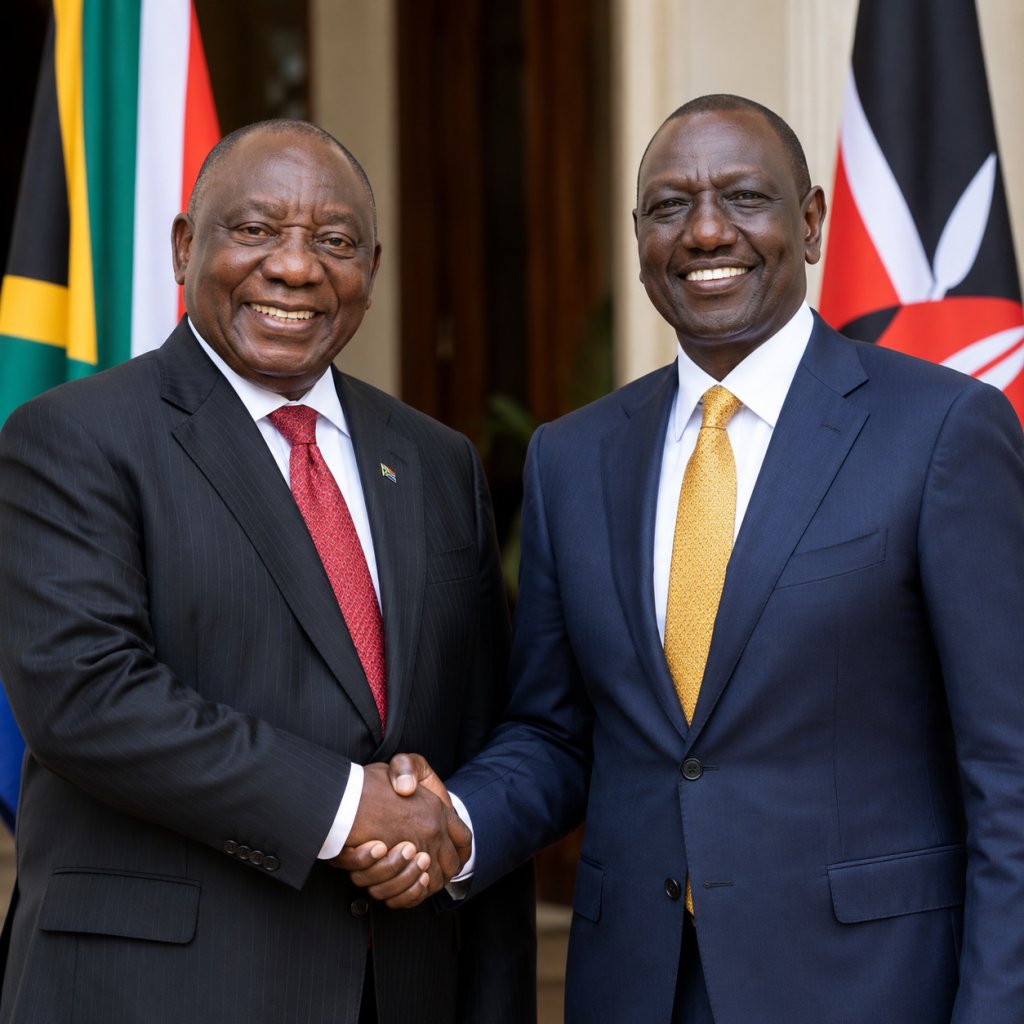
President William Ruto has once again defended Kenya’s decision to host a United States-funded Ebola quarantine facility, arguing that the project is a critical investment in public health preparedness as East Africa continues to face the threat of Ebola outbreaks.
Speaking during a one-day state visit to South Africa, where he held bilateral talks with South African President Cyril Ramaphosa, Ruto dismissed concerns surrounding the proposed Ebola facility and maintained that Kenya was taking responsible steps to strengthen its capacity to respond to future health emergencies.
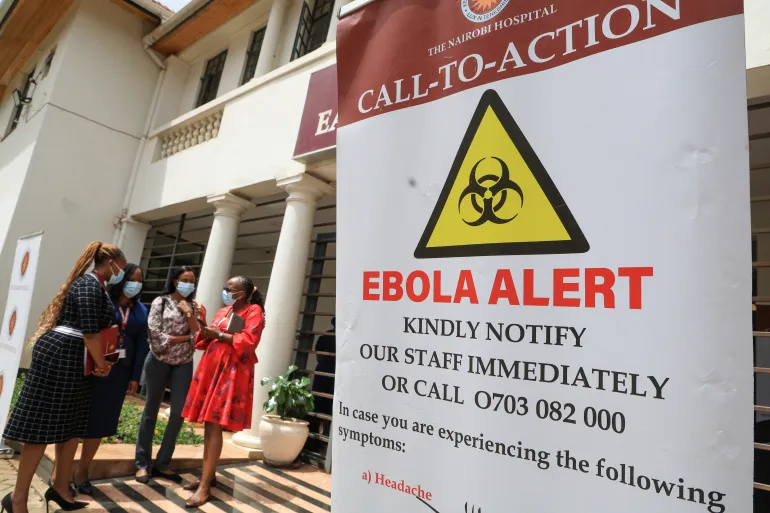
The proposed Ebola facility, which is expected to be established approximately 200 kilometres north of Nairobi, has sparked fierce opposition among some Kenyans who fear that accommodating individuals potentially exposed to Ebola could place local communities at risk.
Despite the criticism, Ruto insisted that the project is designed to enhance national and regional preparedness against one of the world’s deadliest infectious diseases.
Ebola Facility Receives Major US Funding Support
President Ruto revealed that the United States government has committed significant financial resources toward the Ebola preparedness project.
“The American government has supported us in this Ebola set-up, infrastructure, health infrastructure, to the tune of 1.8 billion Kenyan shillings,” Ruto said.
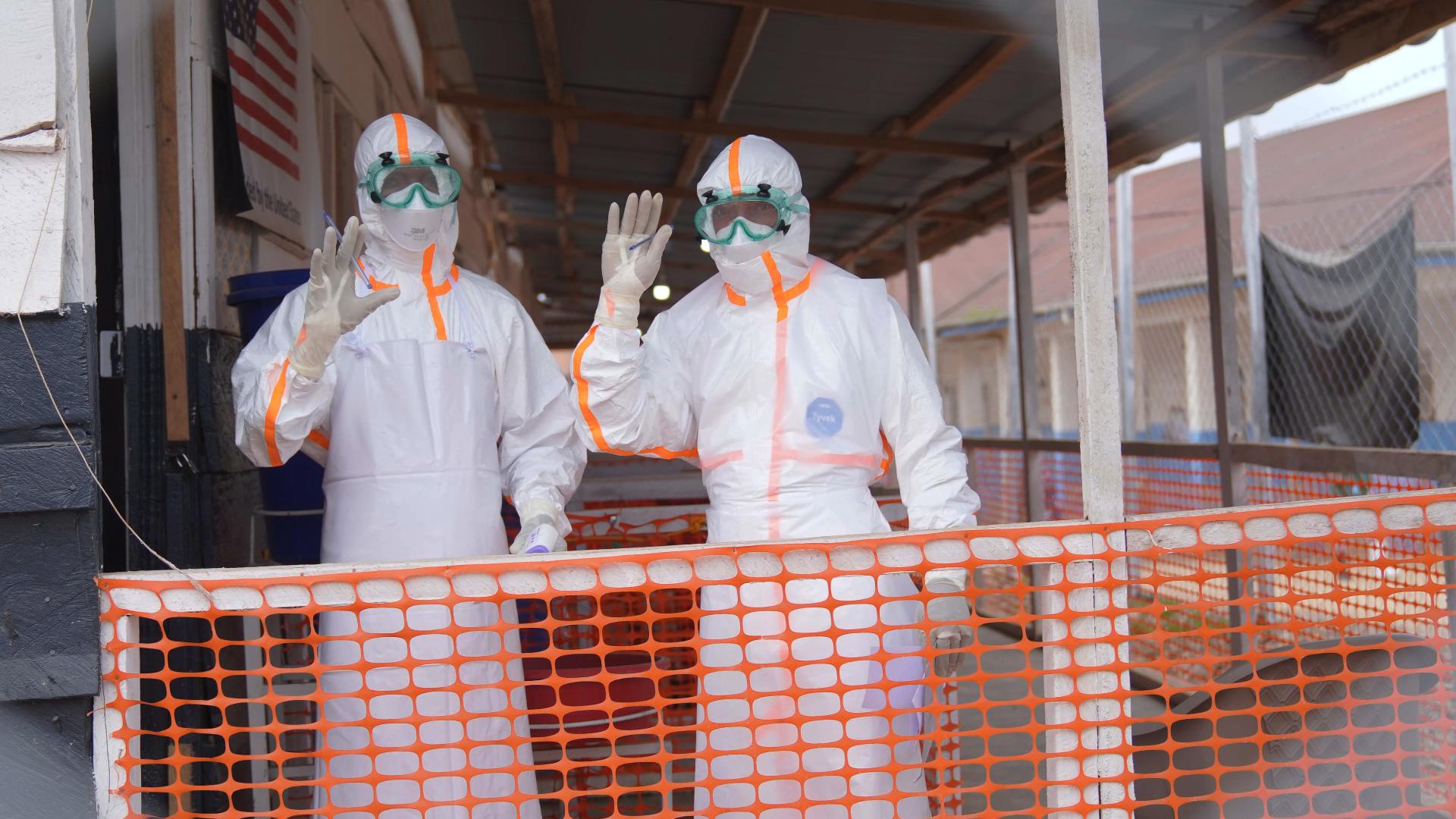
The planned Ebola facility is expected to include a 50-bed quarantine unit capable of accommodating American citizens and other individuals who may have been exposed to the virus during outbreaks in affected regions.
Government officials argue that the investment will not only enhance Kenya’s emergency response capabilities but will also strengthen the country’s broader healthcare infrastructure.
The funding announcement comes amid heightened public debate over the role Kenya should play in international disease surveillance and outbreak response efforts.
Ebola Threat in the Region Drives Preparedness Plans
Ruto linked the Ebola project to ongoing health concerns in neighbouring countries, particularly the Democratic Republic of Congo, which has remained at the centre of recurring Ebola outbreaks.
Hundreds of infections have been reported in parts of eastern DRC, while neighbouring Uganda has also recorded Ebola cases, raising concerns about cross-border transmission and regional preparedness.
According to the President, the evolving Ebola situation presents a challenge that requires proactive planning rather than reactive measures.
“The Ebola situation in eastern DRC is a source of concern for any country, including Kenya that is mindful of matters health of its citizens,” Ruto said.
He added that preparing in advance was the most responsible course of action for any government seeking to protect its population from future outbreaks.
Health experts have long argued that preparedness infrastructure is a critical component of disease prevention, particularly in regions where international travel and trade increase the risk of disease spread.
Ebola Facility Faces Continued Public Opposition
Despite the government’s assurances, opposition to the Ebola facility remains strong in several parts of the country.
Residents and activists have questioned the decision to host individuals potentially exposed to Ebola, arguing that the move could expose local communities to unnecessary risks.
Critics maintain that Ebola outbreaks should be managed closer to their source rather than relocating potentially exposed individuals to Kenya.
Recent demonstrations in Nanyuki and surrounding areas have highlighted growing public concern over the proposed facility, with residents demanding greater transparency and public participation before any project proceeds.
The controversy has evolved into a broader debate about public health policy, constitutional rights, and the balance between national preparedness and community safety.
Ebola Discussion Overshadows Broader Kenya-South Africa Talks
While the Ebola facility attracted significant attention during the visit, Ruto and Ramaphosa also discussed a wide range of economic and diplomatic issues.
The two leaders praised the strong relationship between Kenya and South Africa, describing their partnership as one of the most important on the African continent.
During the visit, both governments signed six new agreements aimed at strengthening cooperation in trade, maritime transport, education, culture, and other strategic sectors.
Kenya remains South Africa’s largest trading partner outside the Southern African Development Community (SADC) region, with annual trade flows exceeding $675 million.
The agreements are expected to deepen economic integration and create new opportunities for investment and collaboration between the two countries.
Ebola Debate Continues as Government Defends Preparedness Strategy
As public scrutiny intensifies, the government continues to defend the Ebola facility as a necessary investment in national security and public health resilience.
Officials argue that the project reflects lessons learned from previous global health emergencies, including the COVID-19 pandemic, which demonstrated the importance of preparedness infrastructure.
However, opponents remain unconvinced and continue to demand further consultation before the facility becomes operational.
With Ebola outbreaks continuing to pose a threat in parts of East and Central Africa, the debate surrounding Kenya’s role in regional disease preparedness appears unlikely to fade anytime soon.
For now, President Ruto’s remarks in South Africa have reinforced the government’s position that investing in Ebola preparedness is not merely an international obligation but a national necessity aimed at safeguarding the country’s future health security.