
Kenya Calls for Innovation as Africa Marks 10 Years of IEC Regional Centre
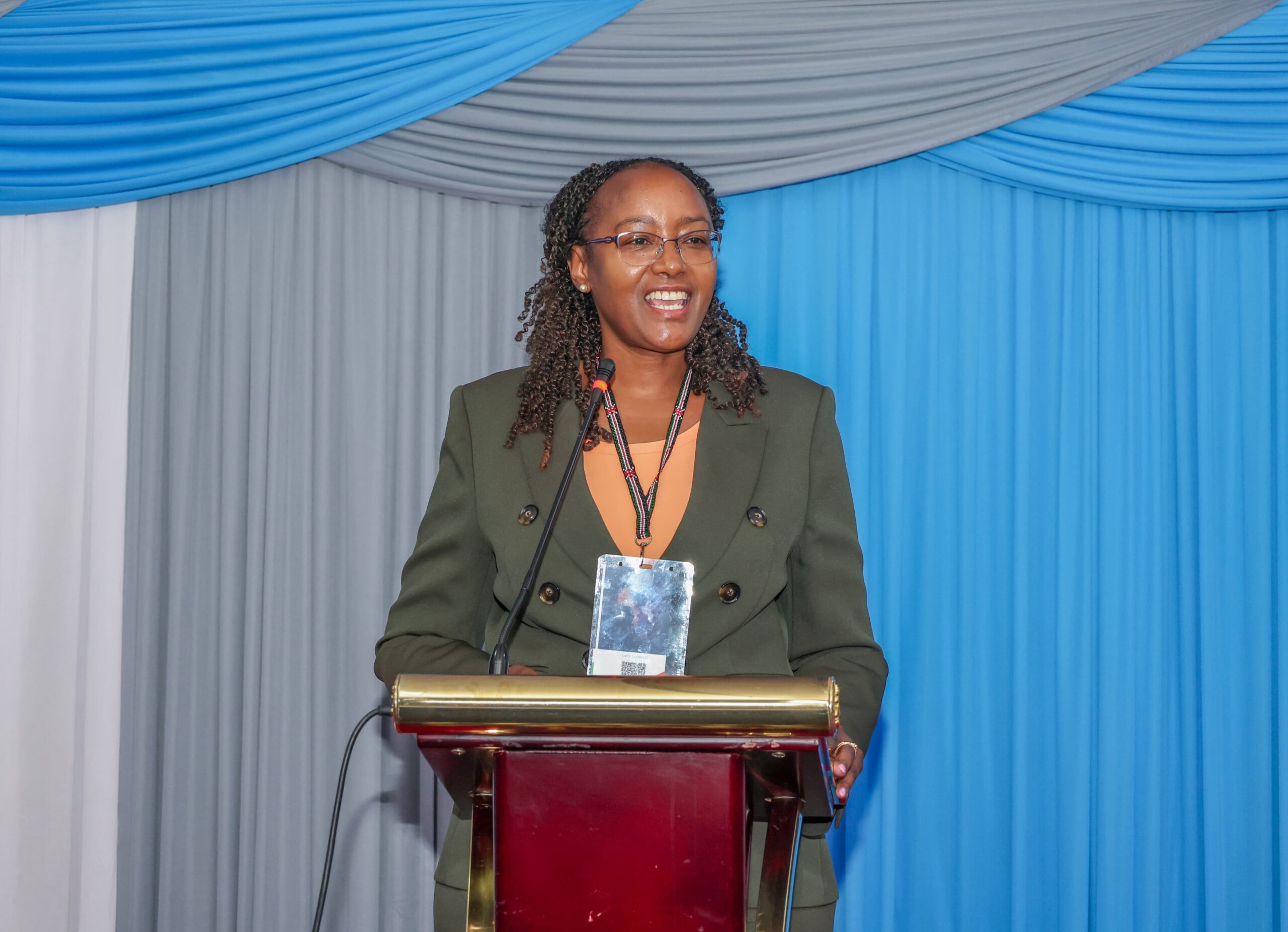
Kenya Bureau of Standards Managing Director Esther Ngari addresses delegates during the 10th Anniversary of the IEC Africa Regional Centre at the Kenyatta International Convention Centre (KICC) Nairobi where Africa’s progress in electrotechnical innovation and standardization was celebrated
Kenya has reaffirmed its commitment to driving Africa’s industrialization and sustainable growth through innovation, strong quality infrastructure, and active participation in global standardization.
This came as the International Electrotechnical Commission (IEC) Africa Regional Centre celebrated its 10th anniversary at the Kenyatta International Convention Centre (KICC) in Nairobi, marking a decade of progress in promoting electrotechnical standards and capacity development across the continent.
Kenya Bureau of Standards (KEBS) Managing Director Esther Ngari said the anniversary represented a major milestone in Africa’s journey toward achieving technical excellence and greater involvement in international standardization.
“On behalf of the Kenya Bureau of Standards and the Government of Kenya, it is my great honour and privilege to welcome you to Nairobi for this historic celebration,” she said. “The establishment of the IEC Africa Regional Centre in 2015 was a visionary move one that ensured Africa would not just be a follower but a full participant in shaping global electrotechnical standards.”
Ngari described the Centre as a hub of collaboration, innovation, and technical growth, noting that it had become a crucial platform for knowledge sharing, training, and partnership building.
“For the past decade, this Centre has acted as a bridge connecting African institutions to the international IEC family,” she explained. “It has played a central role in strengthening quality systems and building trust among nations.”
The celebrations were held alongside the inaugural Africa Electrotechnical Quality Infrastructure Week, which brought together policymakers, engineers, industry leaders, and technical experts from across the continent and beyond.
Ngari said the event was not only a moment of reflection but also a renewed call to action under the theme ‘Innovate for a Sustainable Future’.
“As we celebrate this milestone, we are reminded that innovation and sustainability must go hand in hand,” she said. “Africa must now deepen its investment in quality infrastructure to enhance competitiveness, drive industrial transformation, and take its rightful place in global value chains.”
She observed that the continent is at a turning point in its development, citing rapid advances in digital technology, renewable energy, and resilient supply chains. “We are leading in the clean energy transition, embracing emerging technologies, and preparing for an industrial revolution shaped by sustainability and innovation,” she said.
Ngari emphasized that international standards and conformity assessments are vital for the growth of trade and trust in global markets. “For Africa, these standards are more than technical guidelines they are the key to unlocking the full potential of the African Continental Free Trade Area (AfCFTA),” she said.
She added that harmonized standards will help African products compete globally while promoting consumer safety and efficiency. “They enable goods and services to move across borders with confidence, while also supporting our mission to extend electricity access to millions who still remain underserved,” she explained.
The KEBS boss further underscored the importance of collaboration among African regional bodies such as AFSEC, PAQI institutions, national standards organizations, and academic institutions. “Only through united effort can we create a sustainable and inclusive industrial future for Africa,” she said.
Ngari noted that the three-day conference provides a platform for strategic engagement, knowledge exchange, and partnership building. “We are here to chart the course for the next decade of Africa’s electrotechnical transformation,” she said.
IEC President Jo Cops praised Africa’s progress over the last decade, saying the region’s participation in international standardization and conformity assessment had become stronger and more impactful.
“When we established this centre in 2015, we took an important step in expanding IEC’s presence across Africa,” said Cops. “Since then, the region has grown more active in standardization, capacity building, and technical collaboration, producing tangible results that benefit industries and consumers alike.”
He expressed gratitude to the Government of Kenya and KEBS for their continued partnership, saying the regional centre had become a cornerstone of Africa’s integration into global quality systems.
Cops highlighted key achievements, including 18 African countries attaining Affiliate Plus status and several others adopting IEC conformity assessment systems voluntarily. “These actions have helped reduce unnecessary duplication of testing, lowered trade barriers, and improved the credibility of African products in global markets,” he noted.
He pointed out that partnerships between IEC and regional organizations such as AFSEC, ECOWAS, and the East African Community (EAC) had enhanced harmonization and strengthened Africa’s quality infrastructure. “Through collaboration, we have built stronger systems that support safer, more efficient, and more sustainable development,” Cops said.
However, he emphasized that Africa’s next decade should focus on active involvement in developing international standards. “For ten years, we have worked to bring IEC to Africa. Now, it’s time to bring Africa to the IEC,” he said, drawing applause from the audience.
He urged African experts, regulators, and policymakers to take leadership roles in shaping the standards that will define emerging technologies in energy, digitalization, and manufacturing. “Standardization is not just a technical exercise it’s a strategic tool for industrial growth and technological independence,” he stated.
Cops also called for deeper engagement from ministers, permanent secretaries, and heads of regulatory agencies to ensure that standardization supports national and regional development goals. “Your participation ensures that standards align with policies that drive innovation, industrial growth, and regional integration,” he said.
Reaffirming the IEC’s long-term commitment to Africa, Cops said the regional centre symbolizes confidence in the continent’s potential and capabilities. “Africa is not just a recipient of standards; it is a full partner in shaping the global industrial and technological landscape,” he said.
During the event, delegates from various African countries reflected on the achievements of the past decade and discussed strategies to expand cooperation, improve infrastructure, and enhance technical capacity. They also explored how Africa can strengthen its voice in global decision-making on electrotechnical matters and emerging technologies.
The anniversary concluded with a collective pledge from participating nations to enhance collaboration, promote regional harmonization, and leverage standardization as a driver of sustainable industrialization.
As Africa looks ahead, stakeholders agreed that innovation, inclusivity, and shared responsibility will remain key to building a resilient and sustainable future for the continent.