
Kenya Prioritises Menstrual Product Standards to Boost Safety and Innovation
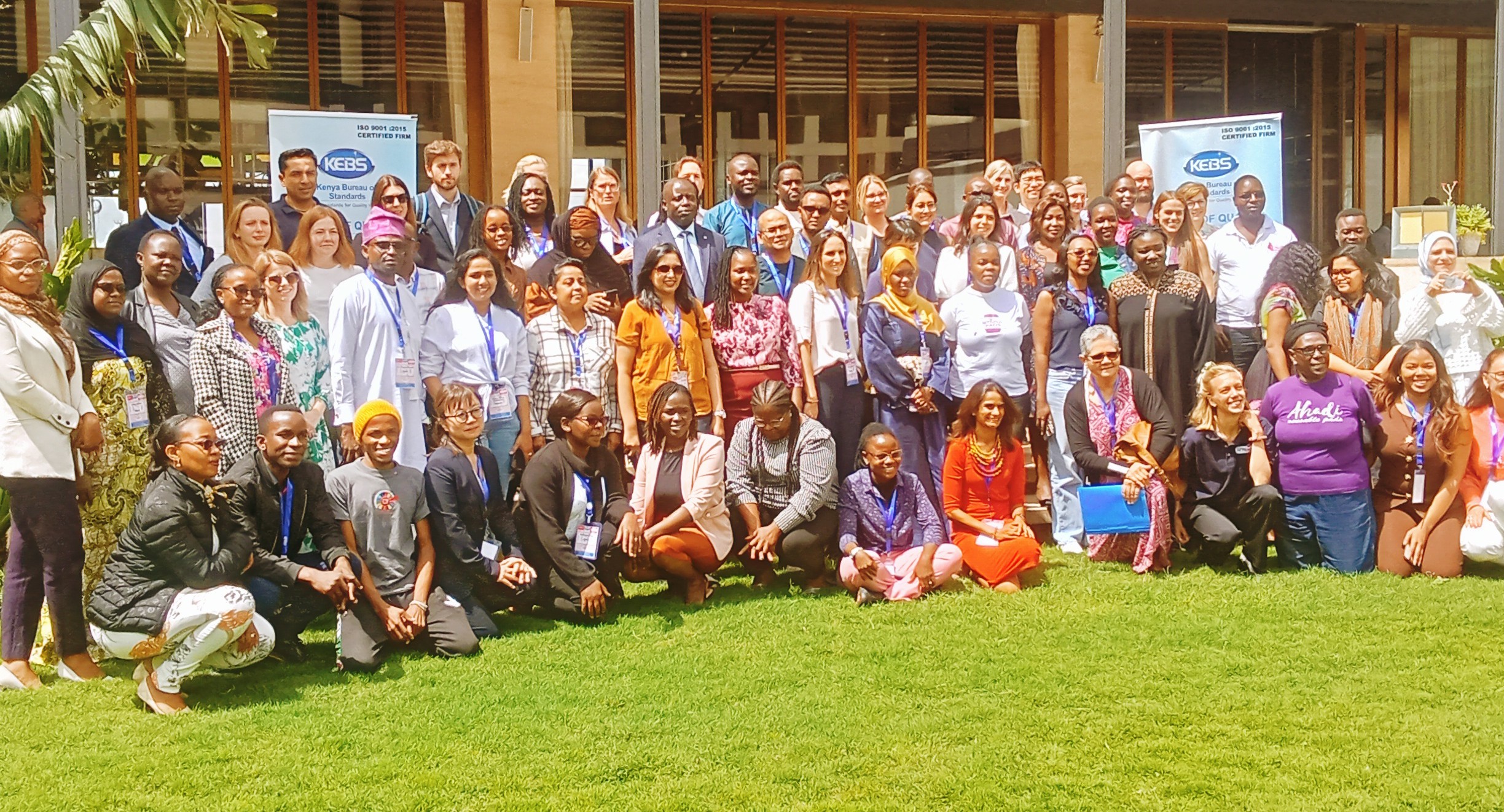
The Kenya Bureau of Standards (KEBS) has reiterated its commitment to supporting the safety, accessibility, and innovation of menstrual products, especially those produced by small and medium enterprises (SMEs). This was revealed during a press briefing at a stakeholders’ workshop on menstrual health products held in Nairobi.
The Menstrual Health Products Workshop was hosted by KEBS in collaboration with the Swedish Institute for Standards (SIS). The seminar featured presentations by local and international experts, panel discussions and thought-leadership sessions addressing menstrual health, innovation, sustainability and inclusivity in standardization.
Some of the topics of discussion include Global Standards for Menstrual Products, Kenya’s efforts in shaping progressive menstrual health policies, Eco-friendly product development using agro-waste,among others.
Speaking during the Menstrual Health Products Workshop, Zacharia Lukorito, Director for Students Development at the Kenya Bureau of Standards, emphasized the need for robust standards in the menstrual product industry to ensure consumer safety and market access for local manufacturers.
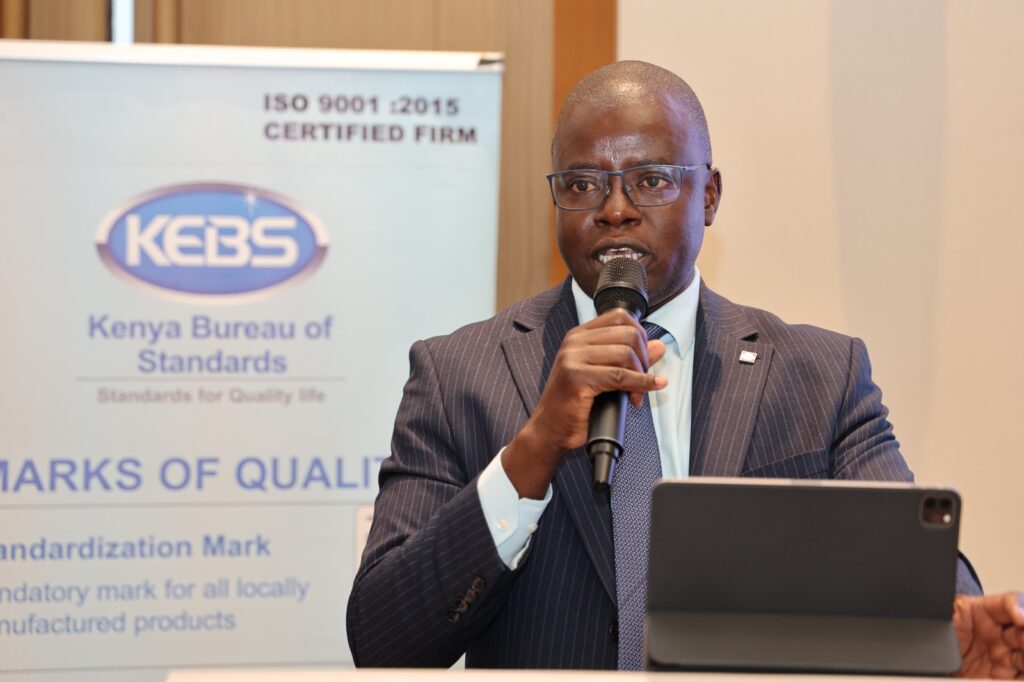
“This seminar brings together global and local stakeholders to raise awareness around the standards and safety of menstrual health products. In Kenya, we’ve developed standards for both disposable and reusable products,” Lukorito said.
According to KEBS, about 80 percent of menstrual products used in Kenya are reusable, with most being produced by local micro and small enterprises. The remaining 20 Percent are disposable products, largely imported. The bureau has developed certification frameworks to ensure both categories meet quality, performance, and safety standards.
“As a national standards body, we ensure all products local or imported undergo rigorous testing for absorbency, toxicity, and microbiological safety. Through market surveillance and pre-shipment inspections, we guard against substandard products entering the market,” Lukorito added.
The event also addressed regional disparities in menstrual health access, including product suitability in different demographics such as Turkana.
KEBS reaffirmed its role in ensuring that products distributed through government programs, particularly in schools, meet national safety standards.
In response to emerging innovations in menstrual care, KEBS confirmed ongoing updates to standards to keep pace with technology and consumer needs. “Standards are dynamic. We revise them regularly to incorporate innovation and support SMEs in delivering high-quality, safe products,” Lukorito said.
Founder of Ahadi Reusable Pads Fights Period Poverty Through Innovation and Empowerment
Beth Otuga, founder of Ahadi Reusable Pads, shared her journey of turning personal struggle into a mission to combat period poverty in Kenya. Otuga founded the organization in 2018 after realizing how many girls, especially in rural and marginalized communities, miss school due to lack of sanitary products.
“Growing up, I struggled to access pads, and it affected my education. That’s why I started Ahadi,” she explained.
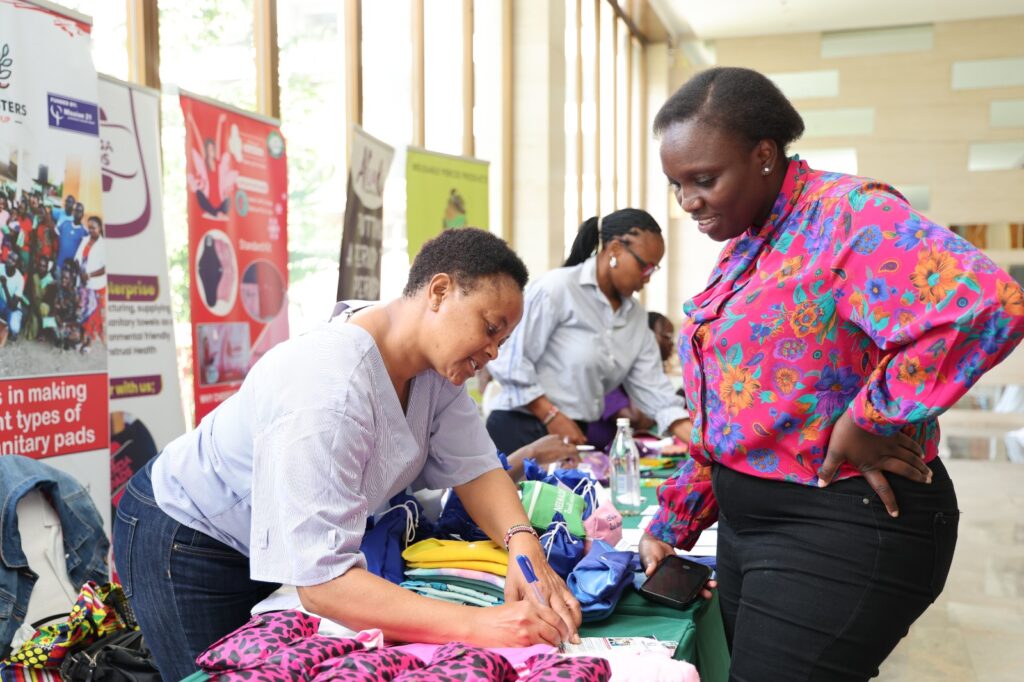
Through support from Somuafrica, a business incubation platform, Otuga received a grant, bought equipment, and launched her innovation reusable cloth pads.
Today, Ahadi Reusable Pads not only manufactures and distributes eco-friendly sanitary products but also runs hygiene education programs and skills training for women and girls.
According to CARE International, 1.8 million girls in Kenya miss school every month due to lack of sanitary products. Otuga emphasized the impact of her work in reversing this trend: “We’ve distributed over 20,000 pads, trained dozens of women in Kakuma and Kahawa Sukari, and helped girls complete school.”
She also highlighted that the pads are chemical-free, breathable and safe for repeated use for up to 24 months. Otuga now eyes product certification through KEBS, marking another milestone in her impactful journey.
The workshop reflects Kenya’s broader goal of improving menstrual health management while promoting local enterprise and safeguarding public health.
By Sharon Atieno