
Africa needs predictable climate finance to fight crisis it barely caused

Investing in the future isn’t charity—it’s the highest-yield strategy humanity has left
Despite contributing less than 4% of global greenhouse gas emissions, African nations bear the most disproportionate burden of the climate crisis. Rectifying this climate injustice requires substantial, predictable climate finance to scale up both mitigation initiatives such as renewable energy expansion and urgent adaptation measures like drought-resistant agriculture and coastal defenses.
However, while global mechanisms like the Green Climate Fund (GCF) aim to channel support through local entities such as Kenya’s NEMA and Rwanda’s FONERWA, the international financial architecture remains fundamentally broken and ill-equipped to deliver equity at scale.
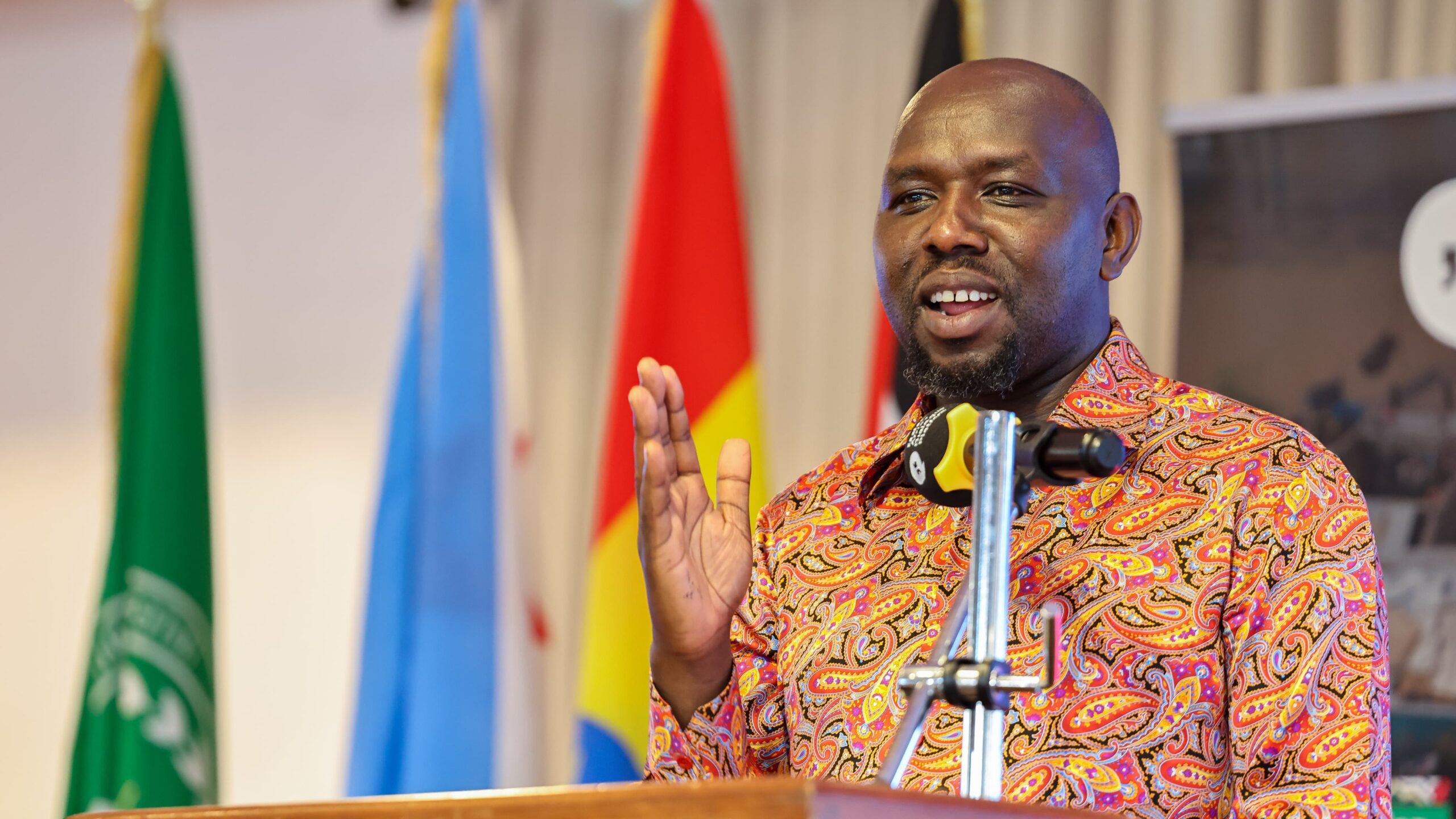
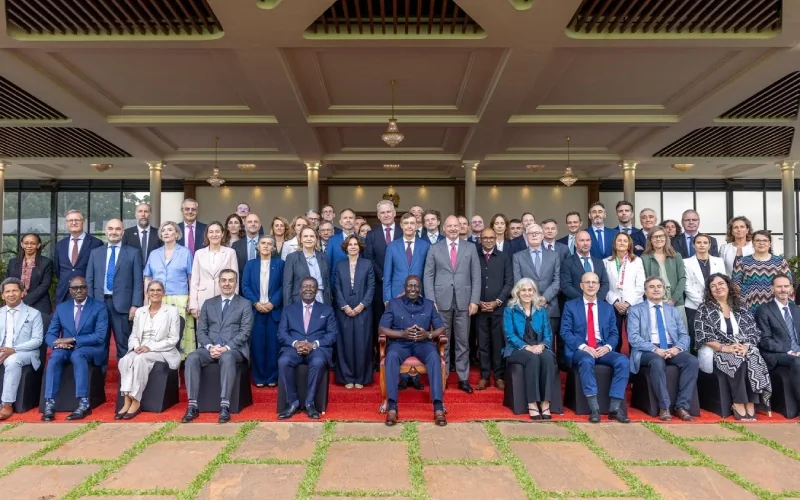
Recent legal developments offer a pathway toward systemic reform. Earlier this year, delegates, jurists, and climate policy experts gathered in Nairobi for the African States Sensitisation Conference on the ICJ (International Court of Justice) Advisory Opinion.
Key figures, including ICJ Judge H.E. Phoebe Okowa and former ICJ President Judge Abdulqawi Ahmed Yusuf, affirmed that climate finance must evolve from voluntary goodwill into a mandatory obligation under customary international law.
This shift reframes international financial reform from an economic discussion into a binding requirement for global climate justice.
The existing international architecture perpetuates an inequitable model where climate finance is framed as aid rather than obligation. Consequently, 87% of Africa’s climate finance originates from external sources, predominantly structured as debt (Climate Policy Initiative).
For frontline states like Kenya, this loan-heavy model severely restricts fiscal flexibility. Treasury data for FY 2024/2025 indicates that debt service obligations absorb over 70% of state revenue Ksh 7 of every Ksh 10, crowding out vital public expenditure.
Beyond debt generation, procedural barriers severely limit fund deployment.World Resources Institute research demonstrates that 13 out of 30 Least Developed Countries received no GCF adaptation funds between 2015 and 2019.
Allocation disparity is equally pronounced, as the top ten recipient nations absorb nearly 50% of total African climate finance, leaving the most vulnerable states with only 11%.
As noted by the African Development Bank’s Dr. Olufunso Somorin, capital flows fail to target ground-level vulnerabilities fewer than 10% of funds reach rural populations and smallholder farmers, with significant leakages occurring through intermediaries and institutional overhead.
The ICJ Advisory Opinion directly dismantles the voluntary aid model by establishing that climate harm carries binding legal responsibility. Under customary international law, failing to prevent transboundary environmental damage constitutes an internationally wrongful act that demands reparations.
As Dr. George Wamukoya, Team Leader at the African Group of Negotiators Experts Support, noted, this ruling validates historical responsibility and ensures states cannot evade their duties by withdrawing from international agreements like the Paris Accord.
By placing an enforceable cost on pollution, the opinion dramatically strengthens developing nations’ leverage across domestic, regional, and international courts.

Capitalizing on this legal framework requires coordinated institutional reforms at both national and regional levels. Integrating climate strategy into public debt management is essential to insulate vulnerable economies from compounding fiscal instability.
At the regional level, Ms. Wangui Kaniaru of the Oxford Net Zero Policy Monitor highlights the necessity of an independent African credit rating agency to mitigate systemic risk bias and secure fairer borrowing terms in global capital markets. Nationally, mechanisms for climate finance mobilization must be expanded.
Rwanda’s FONERWA serves as an instructive model, having raised over $130 million through a hybrid approach that combines international assistance with domestic revenues, such as environmental penalties. According to Mr.
Generadi Segikwiye of Rwanda’s Ministry of Environment, this structure effectively channels resources toward community-level priorities and private-sector green investments.
Nevertheless, the growth of these financial instruments and public-private partnerships necessitates stringent, independent governance to mitigate corruption, avert community displacement, and prevent the accumulation of unrecorded public liabilities.
By anchoring negotiations in international law, the ICJ Advisory Opinion shifts climate finance from conditional aid to legal accountability and equips African nations to pursue genuine climate justice.
“Africa must move from being a recipient of climate ‘pledges’ to a shaper of climate ‘terms.’ The legal tools are now in place; the technical architecture must follow.”